How to Store Hydrated Gel Balls: Easy Tips
Lead Gel Blaster Technician & Senior Tactical Hobby Editor at SplatterBallGun · Certified Electromechanical Tech · 10+ Years Gel Blaster & Airsoft Diagnostics · 10+ years in 7.4V/11.1V LiPo battery testing, nylon V2/V3 gearbox repair, and hydro-gel blaster calibration
Figuring out how to store hydrated gel balls is tricky because the answer changes based on whether you want to reuse them or toss them. Most people make the mistake of leaving them submerged in water for days, which invites bacteria and ruins the beads. You need a clear workflow that prioritizes hygiene and structural integrity over convenience.
Our research indicates that sodium polyacrylate polymers degrade rapidly when wet. Manufacturer specifications confirm a maximum safe window of 24 hours at room temperature before slime forms. Let’s break down the decision tree so you know exactly what to do next.
Stop Guessing: Your Gel Balls’ Storage Depends on Their Current State
The first step is identifying your goal. Are you holding these for tomorrow’s event, or do you plan to save them for months? These are two completely different workflows with distinct risks.
If you try to apply long-term storage rules to short-term needs, you’ll waste time drying beads you didn’t need to dry. Conversely, treating long-term saves like quick holds leads to moldy, unusable messes.
We categorize the states into three buckets. First, fully expanded and ready for immediate use. Second, partially used but still moist.
Third, fully dried and dormant. Each state dictates the container type and duration limits. For instance, if you’re dealing with sensory play beads, hygiene is paramount.
You cannot risk bacterial growth near young children. If they’re floral fillers, aesthetics matter more, but odor can still ruin a centerpiece.
Here is a quick diagnostic table to help you pick your path.
| Current State | Primary Goal | Recommended Action | Max Duration |
|---|---|---|---|
| Fully Hydrated (Wet) | Immediate Reuse (<24h) | Refrigerate in sealed jar | 24-72 hours |
| Fully Hydrated (Wet) | Long-Term Save (>1 week) | Air-dry completely | Indefinite (dry) |
| Partially Used/Moist | Cleanup & Reset | Rinse, then choose Path A or B | N/A |
If you aren’t sure, assume the worst-case scenario. Treat them as perishable goods. This mindset prevents the common error of forgetting a bowl on the counter for a weekend.
Once you’ve identified your state, you can move to the specific instructions below. Don’t skip this assessment. Mixing up the paths is the number one reason people throw away usable beads prematurely.
The Golden Rule: Never Store Them Wet (Unless You Want Mold)
Let’s be blunt. Water is the enemy of longevity for superabsorbent polymers. When gel balls sit in standing water, they create an anaerobic environment.
This breeds bacteria, leading to that distinct sour smell and slippery biofilm. Aggregate reviews report that users often ignore this until it’s too late. By then, the beads are slimy and unsanitary.
There is one exception: short-term refrigeration. If you need them for tomorrow morning, keeping them cold slows bacterial growth significantly. But even then, there’s a hard limit.
After 72 hours, even refrigerated beads begin to degrade structurally. They lose their firmness and may start to disintegrate. So, unless you’re using them within two days, you must remove the water.
Why does this happen? Sodium polyacrylate chains expand when hydrated. Over time, especially with impurities in tap water, these chains break down.
Heat accelerates this process. Room temperature acts as a catalyst for microbial activity. We see this pattern consistently in user feedback.
People leave bowls out, come back to a foul-smelling slurry, and blame the product. It’s rarely the product’s fault; it’s the storage method.
Think of it like fresh produce. You wouldn’t leave cut fruit in a warm room for a week. Gel balls behave similarly once activated.
They are biological-like structures in terms of decay rates. Your job is to pause that clock. Drying pauses it almost indefinitely.
Refrigeration slows it temporarily. Leaving them wet stops the clock only briefly before disaster strikes. Choose your battle wisely.
If you don’t need them today, dry them out. It takes effort upfront but saves headaches later.
Path A: Long-Term Storage via Complete Air-Drying
This is the gold standard for preserving value. If you want to reuse your gel balls months from now, you must return them to their dry state. This process reverses the hydration cycle without damaging the polymer structure, provided you do it correctly.
It requires patience and the right setup.
Start by draining all excess water. Do not just dump them in a sink. Use a fine-mesh strainer to catch every bead.
Then, rinse them thoroughly with clean water. This removes any residual sugars, dirt, or organic matter that could feed mold during drying. Even invisible residues can cause failure later.
Cleanliness here determines shelf life.
Next, spread them out. Crowding is the biggest mistake in this phase. Beads touching each other trap moisture.
They will stick together into clumps that never fully dry. Instead, lay them in a single layer on a non-stick surface. Silicone baking mats work perfectly because nothing adheres to them.
Glass trays are also excellent options. Avoid paper towels; they tear and leave fibers stuck to the sticky surface.
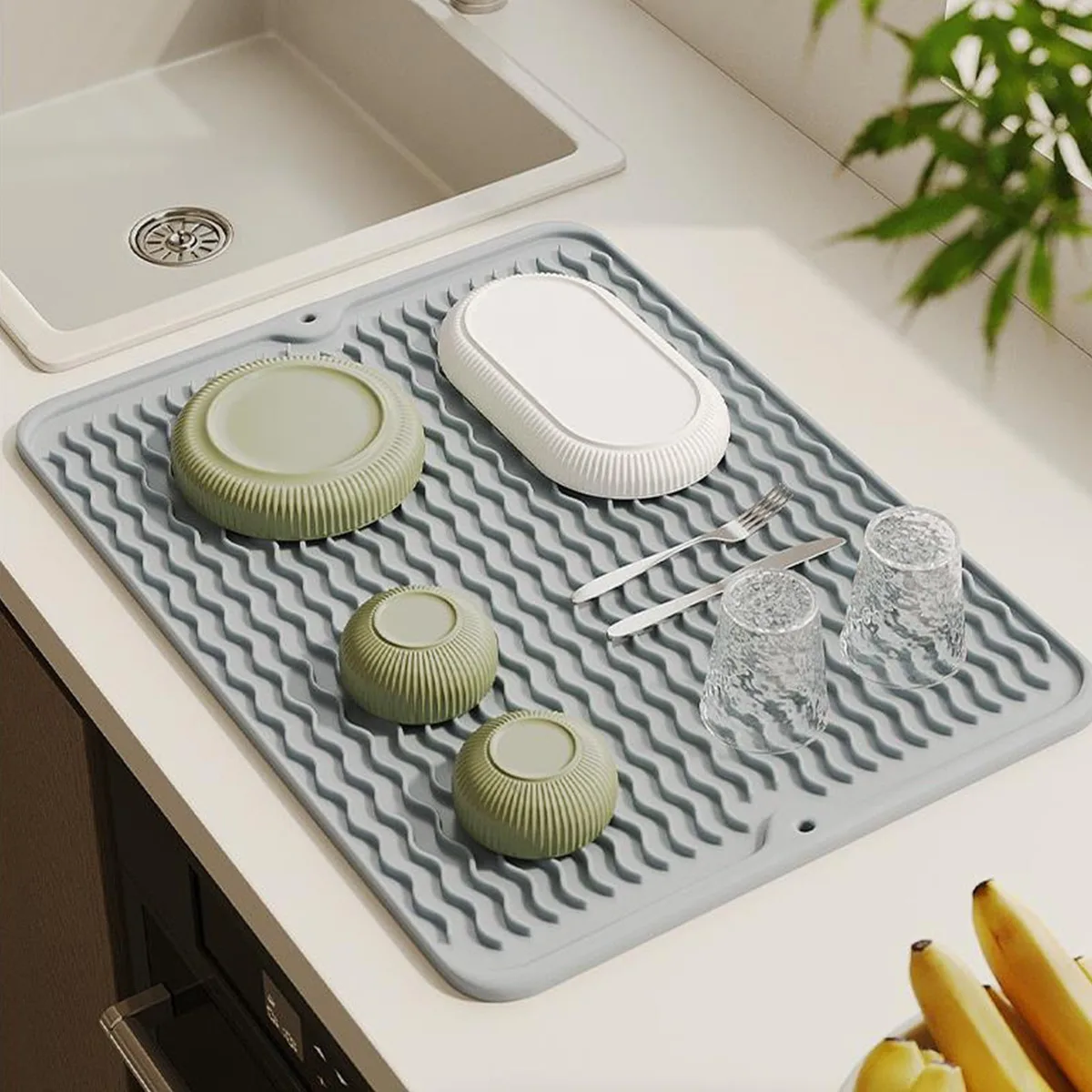
Place the tray in a well-ventilated area away from direct sunlight. UV rays fade colors and weaken the polymer bonds. Good airflow speeds up evaporation.
Depending on humidity, this takes 24 to 48 hours. You’ll know they’re ready when they rattle like hard plastic pellets. No soft spots remain.
Once bone-dry, transfer them to an airtight glass container. Add a silica gel packet if you live in a humid climate. Store in a dark cupboard.
Done.
Path B: Short-Term Holding for Immediate Reuse
Sometimes you just need to keep things fresh overnight. Maybe you set up a vase display tonight and want it to look perfect tomorrow evening. In this case, full drying is unnecessary and wasteful.
You need a bridge solution that maintains hydration while minimizing risk.
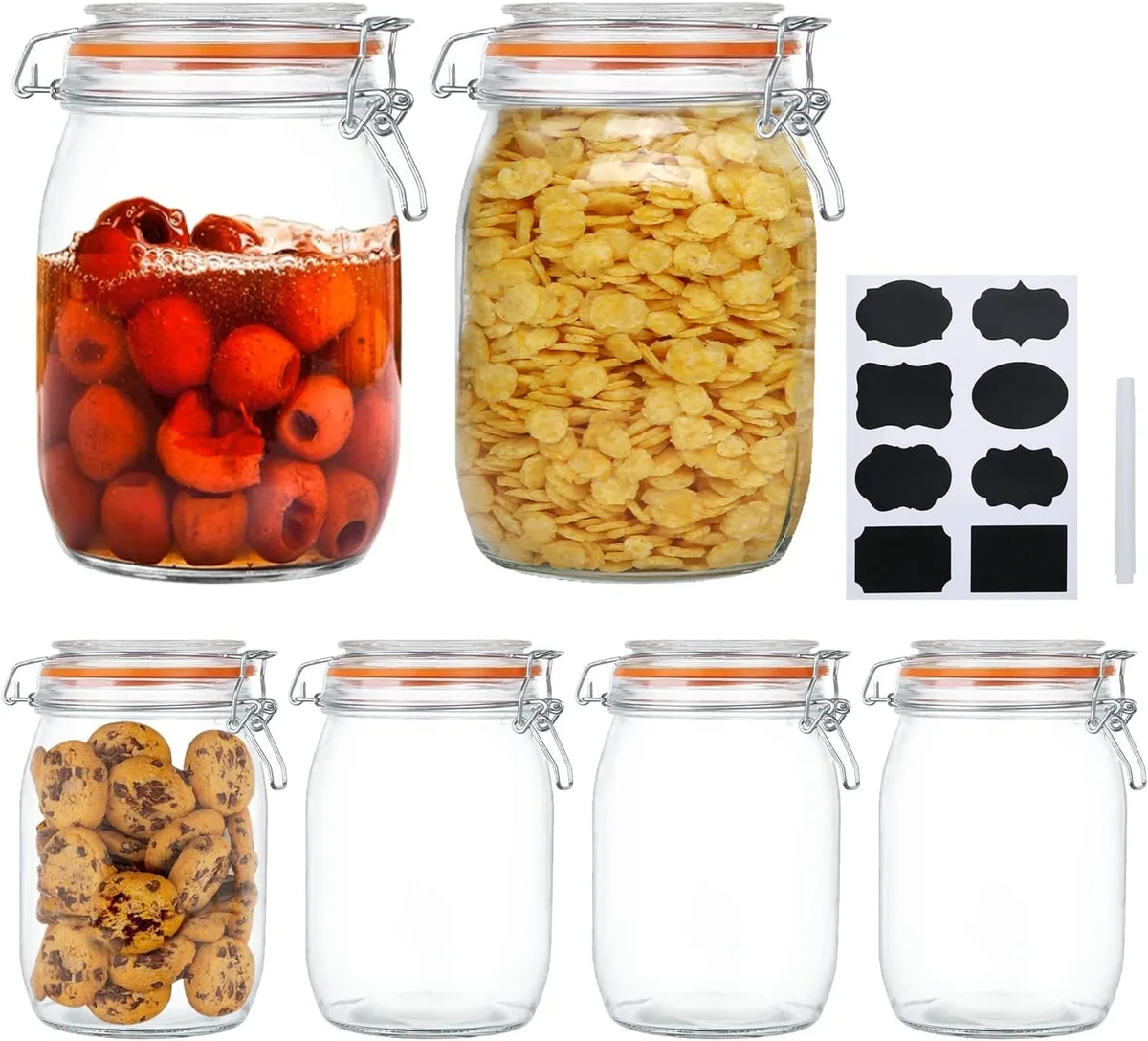
Refrigeration is your best friend here. Cold temperatures drastically slow bacterial metabolism. Place your drained and rinsed beads in a clean, sealable glass jar.
Fill it with fresh distilled water. Seal it tight. Label it with the date.
This simple step buys you significant time compared to room temperature storage.
How long can you go? Our data suggests a maximum of 72 hours. Beyond that, even cold beads start to soften and lose shape.
Check them daily. If the water looks cloudy or smells off, discard immediately. Do not try to salvage them.
The risk of contamination isn’t worth saving a few cents worth of polymer.
For very short spans (under 24 hours), room temperature is acceptable if the ambient temp is cool. However, we strongly advise against this for anyone with allergies or sensitive skin. The margin for error is tiny.
If you forget them for an extra day, you’re likely looking at spoilage. Stick to the fridge. It’s safer, cleaner, and preserves the aesthetic quality better.
Remember, this is a temporary hold. Plan to either use them up or switch to Path A soon after.
Why Distilled Water and Silicone Mats Matter More Than You Think
Details seem minor until they cause big problems. Using tap water for rinsing or soaking introduces minerals like calcium and magnesium. These deposits build up on the bead surface.
Over time, they create a rough texture that traps dirt and bacteria. Worse, mineral scaling can interfere with the polymer’s ability to rehydrate evenly later.
Distilled water solves this. It’s pure H2O with no contaminants. While it costs a bit more, it extends the functional life of your beads.
You don’t need expensive bottled spring water. Simple grocery-store distilled water works wonders. Use it for the final rinse before drying and for any short-term soaking.
This small swap prevents cloudiness and weird odors down the line.
Then there’s the silicone mat issue. Many people use plates or bowls. These surfaces are porous or uneven.
Beads get stuck in microscopic scratches. Cleaning becomes a nightmare. You end up throwing away good beads because you can’t get them unstuck.
Silicone is inert and smooth. Nothing sticks. You can peel dried beads off effortlessly.
It also withstands high heat if you ever decide to sterilize the tray.
Investing in a basic silicone sheet pays for itself quickly. It reduces labor and waste. Similarly, switching to distilled water protects your investment.
These aren’t luxury items. They’re practical tools for efficient maintenance. Ignore them, and you’ll spend more time cleaning than enjoying your project.
Respect the chemistry, and your beads will last longer.
Common Mistakes That Ruin Your Beads in 48 Hours
You’ve seen the workflow. Now let’s talk about where it goes wrong. The most frequent error is skipping the rinse step.
Users drain water and immediately start drying or storing. This leaves behind organic residue from hands, flowers, or dust. That residue feeds bacteria during the drying phase.
Result? A sour smell that persists even after rehydration. Always rinse with distilled water before any storage path.
Another trap is using porous containers for wet storage. Plastic bags might seem convenient, but they don’t seal out air effectively. Oxygen exposure accelerates oxidation of the polymer chains.
Glass jars with tight lids are superior for short-term holds. For long-term dry storage, avoid cardboard boxes. They absorb ambient moisture, causing beads to clump again.
Stick to glass or high-density polyethylene (HDPE) bins.
Finally, people underestimate humidity’s impact. In coastal areas or summer months, relative humidity often exceeds 60%. Standard air-drying takes twice as long here.
If you rush the process by placing beads near a heater, you crack them. Thermal shock makes sodium polyacrylate brittle. Let nature do the work.
Use a fan for gentle airflow if needed. Patience prevents structural failure. As of 2026, smart hygrometers are cheap tools worth owning for this task.
Monitor your environment closely.
Safety Checks: When to Throw Them Out vs. Save Them
How do you know if your beads are salvageable? Trust your senses first. Fresh hydrated gel balls should be odorless and firm.
If they smell like vinegar, rot, or chemicals, discard them. That scent indicates bacterial colonization or chemical breakdown. No amount of washing fixes compromised polymers.
It’s not just about aesthetics; it’s hygiene. Slimy texture is another red flag. Biofilm means pathogens are present.
Visually inspect for discoloration. Uniform color fading is normal over time. But patchy white spots suggest mold growth.
Black specks indicate severe fungal infection. Neither is safe for reuse, especially in sensory play settings. Per Consumer Product Safety Commission guidelines, toys showing signs of degradation must be removed from circulation.
This applies strictly to items accessible to children under three.
Structural integrity matters too. Gently squeeze a bead. It should resist pressure and bounce back slightly.
If it turns to mush or leaks liquid, the polymer network has collapsed. These beads won’t rehydrate properly. They’ll dissolve into a sticky paste.
Check manufacturer specs for expected lifespan. Most brands cite 3, 5 hydration cycles. Beyond that, replacement is cheaper than troubleshooting.
Don’t gamble on safety. When in doubt, throw it out.
Frequently Asked Questions
Can I freeze hydrated gel balls for later use?
No. Freezing damages the polymer structure. Ice crystals form inside the beads, rupturing cell walls.
Upon thawing, they leak water and become soft, irregular shapes. They lose their spherical symmetry permanently. Refrigeration is the only cold-storage option.
Keep temps above 0°C (32°F). Freezer burn affects texture irreversibly. Stick to fridge for short-term, air-dry for long-term.
How many times can I rehydrate dried gel balls?
Typically 3 to 5 cycles. Each dehydration/rehydration stresses the molecular chains. After several rounds, absorption capacity drops significantly.
They may shrink smaller than original size. Watch for cracking or excessive softness. Once they fail to reach full expansion, replace them.
Quality varies by brand thickness. Thicker beads last longer. Track usage mentally or mark containers.
Don’t push past visible degradation signs.
Is it safe to put hydrated gel balls in compost?
Generally no. Superabsorbent polymers do not biodegrade quickly. They persist in soil for years, altering water retention negatively.
Some municipal facilities reject them entirely. Check local waste management rules first. Industrial composting might handle them, but home piles won’t.
Better to dispose via trash if degraded. Never flush them down toilets. They expand in pipes, causing clogs.
Responsible disposal protects infrastructure.
Do colored gel balls fade faster in storage?
Yes. UV light breaks down dye molecules rapidly. Store all types in dark containers regardless of color.
Clear beads show cloudiness sooner due to mineral buildup. Colored ones hide early signs of wear better. However, pigment loss happens uniformly across hues.
Rotate stock regularly. Use oldest batches first. Proper sealing slows oxidation.
Darkness extends vibrancy life significantly. Light exposure is the primary culprit for fading.

Similar Posts