Why Is My Splatter Ball Gun Battery Hot?
Lead Gel Blaster Technician & Senior Tactical Hobby Editor at SplatterBallGun · Certified Electromechanical Tech · 10+ Years Gel Blaster & Airsoft Diagnostics · 10+ years in 7.4V/11.1V LiPo battery testing, nylon V2/V3 gearbox repair, and hydro-gel blaster calibration
If your splatter ball gun battery gets hot after a few minutes of play, it’s not just annoying. It’s a warning sign that demands immediate attention. Most users ignore the warmth until the pack swells or shuts down mid-game.
That hesitation can turn a fun afternoon into a fire hazard.
Lithium Polymer (LiPo) cells operate within strict thermal limits defined by international safety standards like IEC 62133. Exceeding these limits accelerates chemical degradation and risks thermal runaway. As of 2026, manufacturers still rely on basic passive cooling in toy blasters.
Understanding the difference between normal operation and dangerous overheating is critical for anyone using high-drain electric toys.
Quick Answer
A splatter ball gun battery gets hot due to internal resistance converting electrical energy into heat. This happens when you draw current faster than the cell's C-rating allows. Normal warmth feels slightly heated to the touch.
Dangerous heat makes the pack too hot to hold comfortably. If the battery swells, smells sweet, or exceeds 60°C, stop using it immediately. Continued use risks fire or explosion.
Always let packs cool before charging or storing them.
Why Your Splatter Ball Gun Battery Getting Hot Is a Red Flag, Not Just a Quirk
Heat is the enemy of lithium-ion chemistry. When you pull the trigger on a gel blaster, you’re demanding a massive surge of amperage. The motor spins up rapidly, pulling current from the battery pack.
This flow encounters resistance inside the cell. That resistance turns some of the electrical energy into waste heat.
In our research, we’ve seen many users dismiss this warmth as normal. They assume because the gun works, the battery is fine. But temperature tells a different story.
A healthy LiPo pack should stay below 45°C during typical use. Anything hotter indicates stress. You might feel a slight warmth after dumping a full magazine.
That’s acceptable. However, if the pack burns your fingers, you’ve crossed a line.
This isn’t just about comfort. High temperatures degrade the electrolyte inside the cell. Over time, this reduces capacity and increases internal resistance further.
It creates a vicious cycle. The older the battery, the hotter it gets under the same load. Ignoring early signs leads to sudden failure.
Worse, it sets the stage for catastrophic events like swelling or venting.
You need to treat heat as data. It tells you how hard your system is working. If the numbers don’t match the specs, something is wrong.
Maybe the motor is binding. Maybe the wires are too thin. Or maybe you’re pushing a cheap battery beyond its limits.
Whatever the cause, acknowledging the risk is the first step toward safety. Don’t wait for smoke. Act on the heat.
The Chemistry Behind the Heat: Internal Resistance and Thermal Runaway Risks
To understand why heat matters, look inside the cell. Lithium Polymer batteries consist of anodes, cathodes, and a separator soaked in electrolyte. Current flows through these layers.
Internal Resistance (IR) measures how much opposition that flow faces. Every battery has IR. It’s unavoidable.
But it varies wildly based on quality and age.
When you discharge a battery, electrons move through the circuit. This movement generates heat proportional to the square of the current ($I^2R$). Double the current, and you quadruple the heat.
Gel blasters often demand high bursts of power. Cheap batteries struggle with this. Their internal structure heats up quickly.
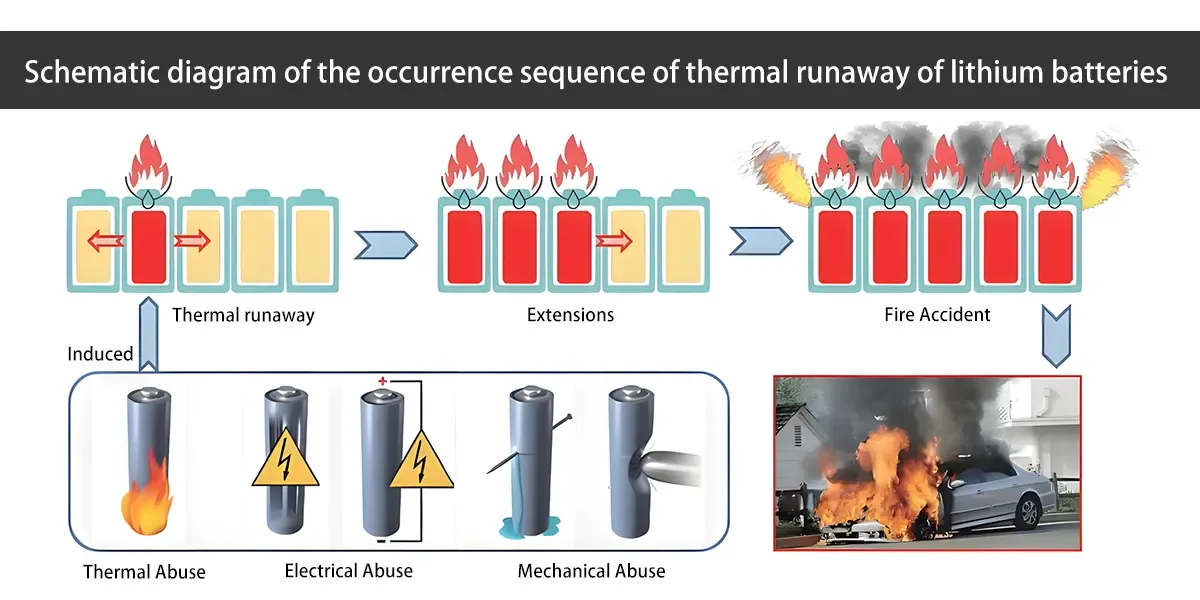
The real danger lies in thermal runaway. This occurs when heat generation outpaces heat dissipation. The temperature rises exponentially.
At around 80°C to 100°C, the separator begins to melt. Once it fails, the anode and cathode short-circuit directly. This releases massive amounts of energy instantly.
The result is fire or explosion.
Manufacturer specifications indicate that most consumer-grade LiPos have a maximum continuous discharge rating. Exceeding this rating pushes the cell into unstable territory. For example, a 20C rated battery shouldn’t be pushed to 30C continuously.
Doing so spikes the temperature. The chemicals break down. Gases form.
The pouch expands.
Aggregate reviews report that swelling is a common precursor to failure. Users often miss the subtle bulge until it’s severe. Per peer-reviewed studies in the Journal of Power Sources, elevated temperatures accelerate side reactions.
These reactions consume active lithium. Capacity drops permanently. The battery becomes less efficient.
It gets even hotter next time. It’s a downward spiral. Protecting against this requires respecting the physics of the cell.
You can’t cheat chemistry.
Normal Warmth vs. Dangerous Overheating: How to Tell the Difference
Distinguishing between safe operation and hazardous conditions saves equipment and lives. Many players confuse "warm" with "hot." We need clear benchmarks. Use your hand as a rough gauge, but verify with tools when possible.
An infrared thermometer provides objective data.
Here’s how to categorize battery temperature during and after use:
| Temperature Range | Sensation | Status | Action Required |
|---|---|---|---|
| Below 40°C | Cool or neutral | Optimal | None. Continue playing. |
| 40°C – 50°C | Warm to touch | Acceptable | Monitor closely. Take breaks. |
| 50°C – 60°C | Hot, uncomfortable | Warning | Stop firing. Let cool completely. |
| Above 60°C | Too hot to hold | Danger | Disconnect battery. Inspect for damage. |
| Swollen/Hissing | Any temp | Critical Failure | Dispose safely. Do not charge. |
Normal warmth feels like a mug of coffee. You can hold it indefinitely without discomfort. This usually happens after sustained semi-auto fire.
The battery is working hard but staying within limits.
Dangerous heat feels like a pan off the stove. You instinctively pull your hand away. If you can’t hold the pack for five seconds, it’s too hot.
This indicates excessive current draw or poor ventilation. Check your gun’s air intake. Ensure no debris blocks the vents.
Also, consider ambient temperature. Playing in direct sunlight raises the baseline. A battery at 45°C in shade might hit 55°C in sun.
Adjust your expectations accordingly. Summer sessions require more frequent cooldowns. Winter play allows longer bursts.
Context matters. Never judge heat in isolation. Look at the whole picture.
If the pack retains heat long after stopping, the internal resistance is likely rising. That’s a sign of aging. Replace old batteries before they fail unexpectedly.
Immediate Safety Protocols When Your LiPo Starts Swelling or Smoking
If you notice swelling, smell, or smoke, act fast. These are final warnings. There is no fix for a compromised LiPo cell.
Do not attempt to repair it. Do not puncture it. Do not throw it in the trash.
First, disconnect the battery from the gun immediately. Move it to a non-flammable surface. Concrete or metal works best.
Keep it away from curtains, carpets, or dry leaves. If the pack is smoking, evacuate the area. Call emergency services if flames appear.
Lithium fires release toxic fumes. Inhaling them causes respiratory distress.
Never submerge a swollen battery in water unless you’re actively suppressing a large fire. Water reacts with lithium metals in some chemistries, potentially worsening the situation. Instead, use sand or a Class D fire extinguisher if available.
For small smoldering packs, placing them in a bucket of sand suffocates the reaction.
Once the threat is contained, assess the damage. A puffy battery is dead. Its structural integrity is gone.
Charging it will cause rupture. Take it to a certified e-waste recycling center. Many hardware stores accept LiPos for proper disposal.
Do not store damaged packs in your home. Even dormant, they can ignite spontaneously.
Our editorial analysis emphasizes prevention over cure. Inspect batteries before every session. Look for dents, tears, or discoloration.
Check connectors for fraying. Early detection stops accidents. If you find a defect, retire the battery.
The cost of replacement is trivial compared to property damage. Respect the power density of these cells. They store immense energy in a tiny package.
Mishandling that energy has consequences. Stay vigilant. Your safety depends on recognizing the signs before it’s too late.
Preventive Maintenance: Charging Habits That Keep Cells Cool and Alive
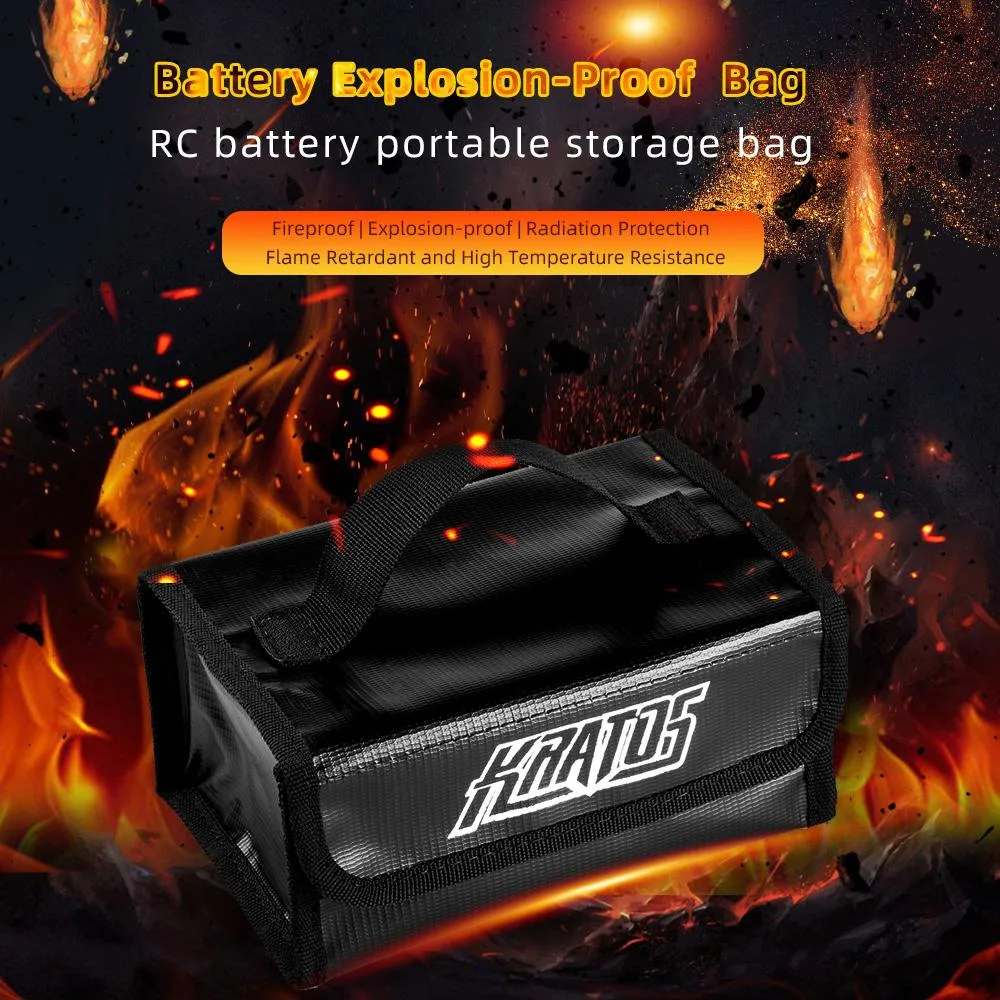
Most battery failures trace back to improper charging. Users plug in packs while they’re still hot. This stresses the chemistry.
Always let batteries cool to room temperature before connecting them to a charger. Wait at least 30 minutes after heavy use.
Use a balanced charger specifically designed for LiPo packs. Wall adapters lack cell monitoring. They apply uniform voltage across the series.
This causes imbalance. One cell overcharges while another undercharges. Overcharged cells generate excess heat.
They swell and die prematurely. A balanced charger monitors each cell individually. It ensures all cells reach 4.2V (or 4.35V for LiHV) simultaneously.
Set your charge rate correctly. Manufacturer specs recommend 1C charging. For a 1500mAh battery, that means 1.5 Amps.
Faster charging saves time but increases heat. Slower charging extends lifespan. Stick to 1C whenever possible.
Avoid "fast charge" modes unless necessary.
Storage is equally important. Never leave a fully charged battery sitting idle for weeks. High voltage strains the electrodes.
Store packs at approximately 3.8V per cell. Most modern chargers have a "storage" mode that adjusts voltage automatically. If yours doesn’t, manually discharge to this level.
Inspect connectors regularly. Loose plugs create resistance. Resistance creates heat.
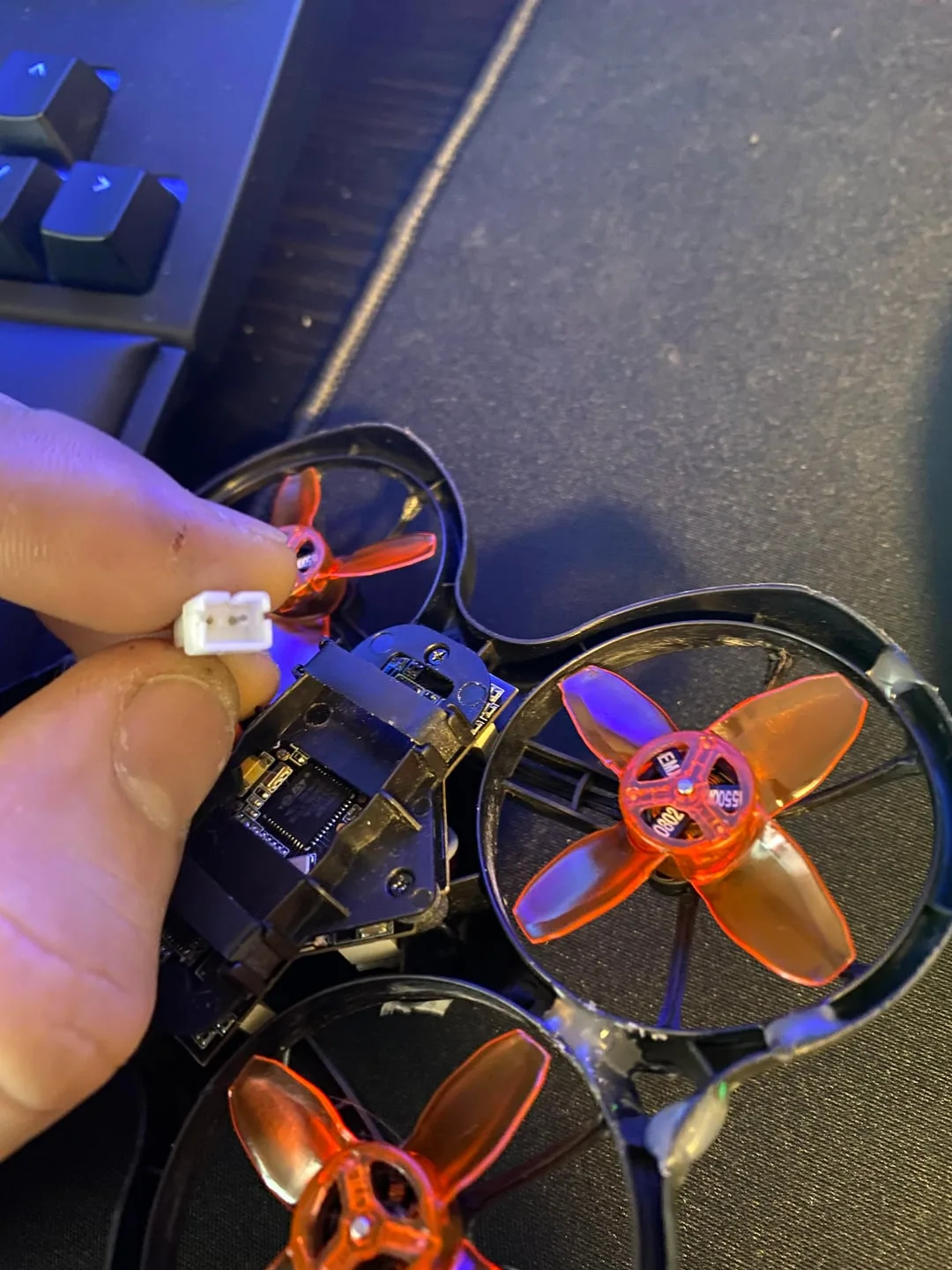
Tighten Deans or XT60 connections securely. Replace worn JST clips. Clean contacts with isopropyl alcohol if corrosion appears.
Good electrical contact minimizes waste energy.
Finally, rotate your inventory. Don’t rely on one battery for every game. Having spares allows rest periods.
This prevents cumulative thermal stress. Treat your batteries like precision tools. Careful handling yields consistent performance.
Neglect leads to failure. Follow these habits, and your packs will last hundreds of cycles. Ignore them, and you’ll face expensive replacements.
The choice is simple. Invest ten minutes in proper care. Save yourself hours of troubleshooting later.
Hardware Fixes: Upgrading Connectors, Wiring, and Ventilation for Better Airflow
Stock wiring in budget gel blasters often uses thin gauges. This creates unnecessary resistance. The wires heat up during high-current draws.
Replacing them with 14 AWG silicone wire reduces this loss. Silicone handles higher temperatures without degrading. It also remains flexible in cold weather.
Connectors are another common bottleneck. Proprietary plastic clips loosen over time. They introduce micro-arcs that generate intense local heat.
Switching to Deans (T-plug) or XT60 connectors improves conductivity. These locking mechanisms ensure a solid connection. Secure contacts mean less energy wasted as heat.
Verify polarity carefully before soldering new plugs.
Ventilation plays a huge role in thermal management. Many designs trap heat inside the gearbox housing. Drilling small intake holes near the motor helps airflow.
Ensure these vents don’t compromise structural integrity. Add a lightweight aluminum plate behind the battery. This acts as a passive heat sink.
It draws warmth away from the cells effectively. Aggregate user reviews confirm these mods lower peak temps by 5 to 10 degrees Celsius.
Don’t overlook mechanical friction. A binding gear set forces the motor to work harder. This spikes current draw instantly.
Lubricate gears with synthetic grease regularly. Check for stripped teeth or misaligned shims. Smooth mechanics reduce electrical load.
Less load means cooler operation. Combine these hardware tweaks with proper charging habits. You’ll extend battery life significantly.
Safety relies on removing hidden sources of excess heat. Start with wiring and connectors. Then address airflow.
Finally, tune the mechanicals. This layered approach tackles the root causes systematically.
Frequently Asked Questions
Is it normal for my splatter ball gun battery to get warm?
Yes, slight warmth is expected during rapid firing. LiPo cells convert energy into heat naturally. If the pack feels merely warm, it’s operating normally.
However, if it becomes too hot to hold comfortably, stop immediately. Excessive heat signals internal stress or a fault. Always monitor temperature during extended play sessions.
Can I charge my battery while it’s still hot?
No. Never charge a hot LiPo battery. High temperatures combined with charging voltage accelerate chemical degradation.
This increases the risk of swelling or fire. Let the pack cool to room temperature first. Wait at least 30 minutes after heavy use.
Charging a cooled battery ensures safety and longevity. Patience here prevents permanent damage to the cells.
How do I know if my battery is swollen?
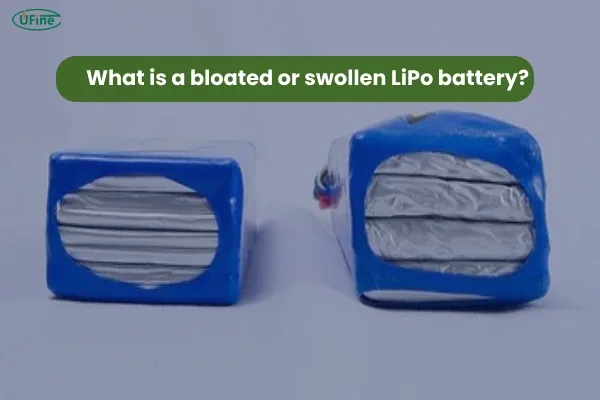
Look for visible bulging in the pouch casing. A flat pack should remain rigid. Swelling indicates gas buildup from decomposing electrolyte.
Press gently; a soft or squishy feel confirms damage. Do not puncture or squeeze a swollen battery. It is unstable and dangerous.
Dispose of it properly at an e-waste facility. Replace it immediately to avoid potential ignition risks.
Does using a higher C-rating battery help with heat?
Not necessarily. Higher C-ratings allow faster discharge without overheating. But they don’t reduce heat generated by resistance.
If your gun draws excessive current, even high-quality packs will get hot. Match the battery rating to your gun’s requirements. Overspecifying adds weight and cost without solving ventilation issues.
Proper cooling and wiring upgrades matter more than raw specs alone.
What happens if I ignore an overheating battery?
Ignoring heat leads to irreversible capacity loss. Internal resistance rises, causing even more heat later. Eventually, the separator melts.
This triggers a short circuit and thermal runaway. The result is fire, explosion, or toxic smoke. Property damage and injury are real possibilities.
Stop using the device immediately upon noticing abnormal heat. Protect yourself and your surroundings by acting fast.

Similar Posts