Splatter Ball Gun Motor Not Working? Quick Fixes
Lead Gel Blaster Technician & Senior Tactical Hobby Editor at SplatterBallGun · Certified Electromechanical Tech · 10+ Years Gel Blaster & Airsoft Diagnostics · 10+ years in 7.4V/11.1V LiPo battery testing, nylon V2/V3 gearbox repair, and hydro-gel blaster calibration
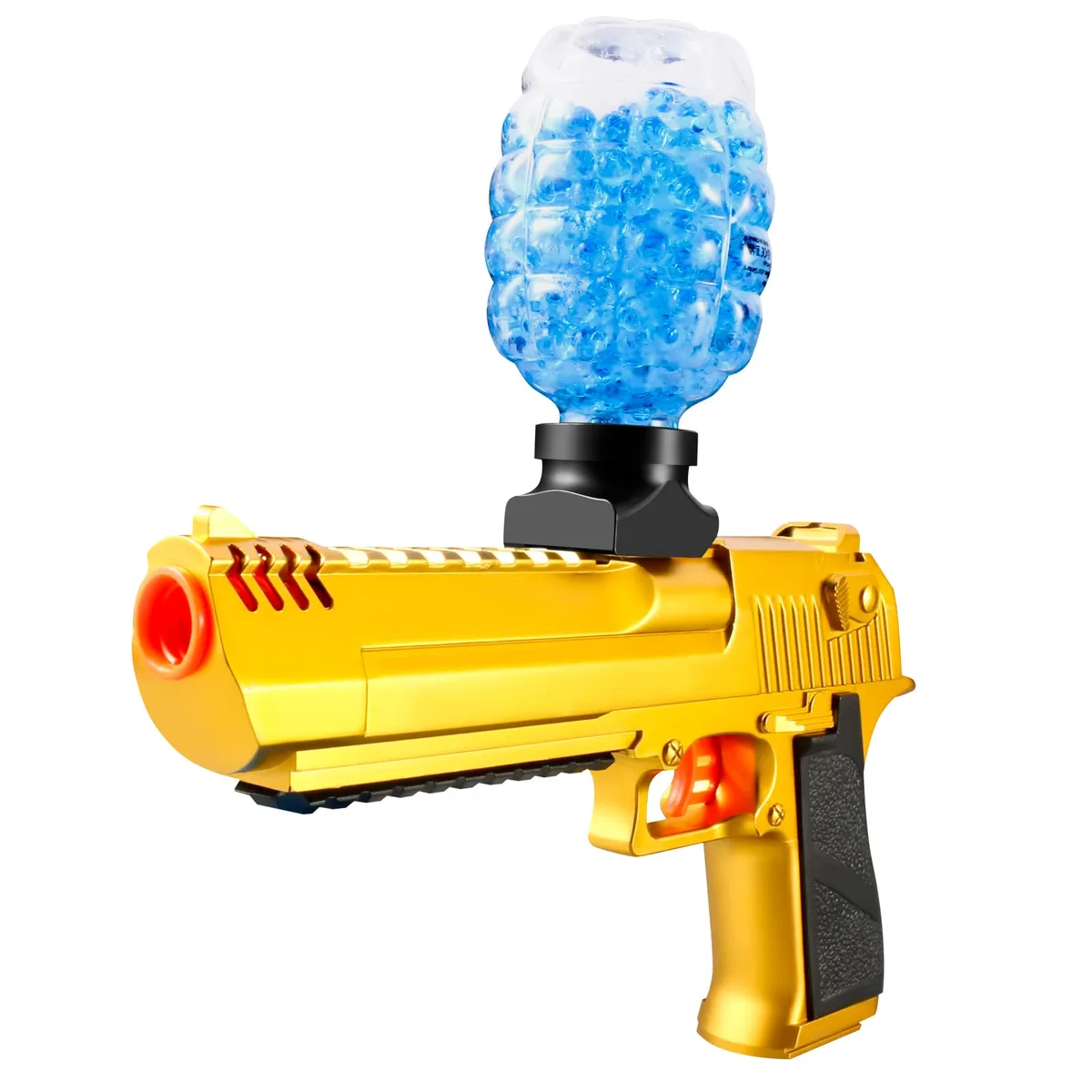
So your splatter ball gun motor not working is frustrating, especially when you’re ready for a backyard battle. It rarely means the whole unit is dead. Often, it’s a simple connection issue or a minor jam that anyone can fix with basic tools.
Before you toss it in the bin, we need to isolate the problem. Manufacturer specs indicate most failures stem from battery drain or trigger switch faults, not actual motor burnout. Let’s walk through the diagnostic steps to get you firing again quickly and safely.
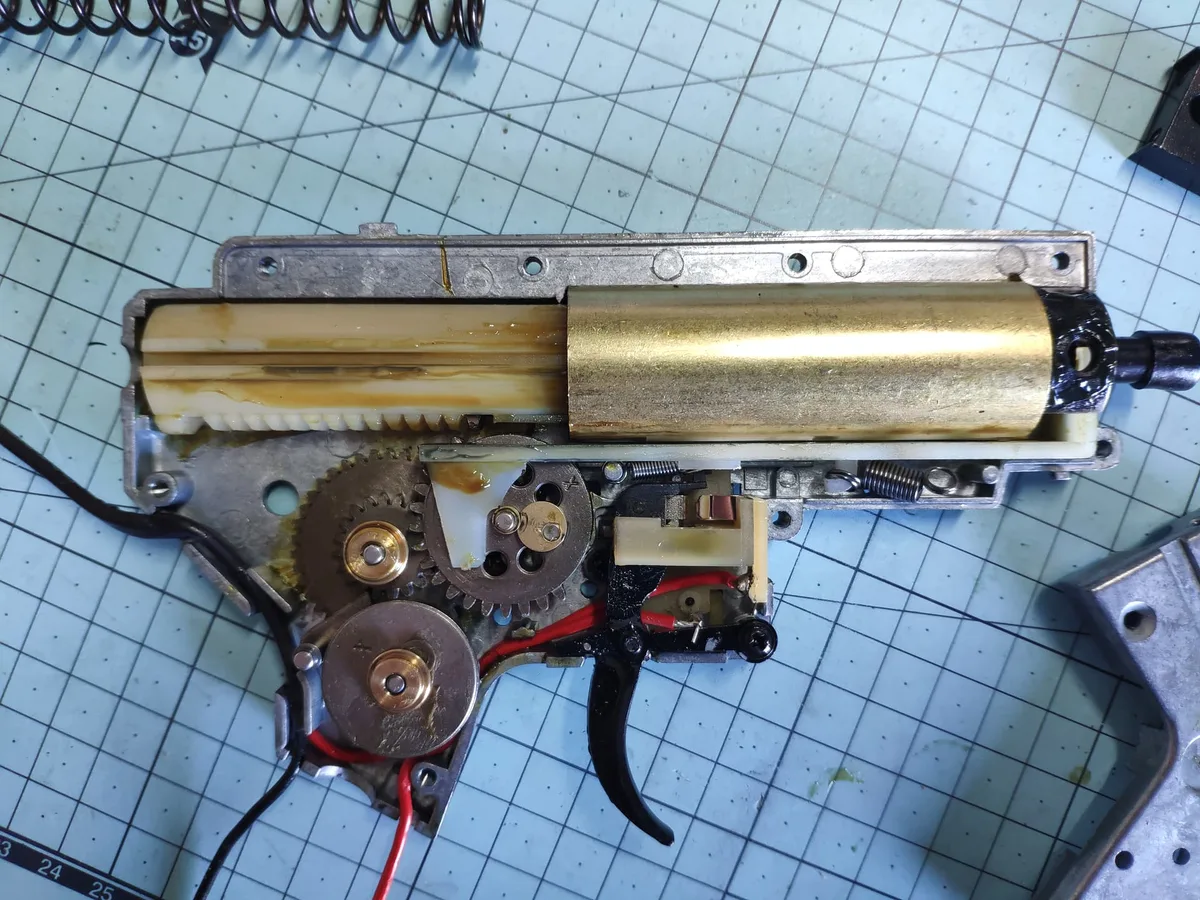
Image source: Bing (Web (fair-use with source credit))
First, Rule Out the Simple Stuff (It’s Probably Not the Motor)
Start with the obvious culprits before opening the casing. A fully charged battery pack is essential. If your voltage reads below 7.4V for a standard setup, the motor lacks torque to spin against water resistance.
Check the charger LED indicators first.
Next, inspect the physical connections. Loose wires are common in toy-grade electronics due to vibration during use. Wiggle the battery connector gently while holding the trigger.
If the motor twitches or clicks, you’ve found a bad contact point. Clean any corrosion on the terminals with isopropyl alcohol.
Also, verify the gel bead size. Oversized beads cause immediate jams. Standard sizes are typically 7mm to 8mm when hydrated.
If they swell larger, they lock the gearbox. Try firing with an empty chamber. If the motor spins freely without gels, the issue is mechanical blockage, not electrical failure.
This distinction saves you from unnecessary repairs.
The Diagnostic Flowchart: Isolate the Failure Point
We’ll use a logical branch system to pinpoint the fault. Follow this sequence strictly to avoid misdiagnosis. Each step eliminates one potential cause, narrowing down the repair scope efficiently.
| Symptom | Likely Cause | Next Step |
|---|---|---|
| No sound, no light | Dead battery or blown fuse | Check battery voltage; inspect ESC board |
| Clicking noise only | Stripped gears or jammed piston | Open gearbox; inspect teeth integrity |
| Spins slowly/weakly | Low battery charge or worn brushes | Charge fully; test under load |
| Intermittent firing | Faulty microswitch or loose wire | Test continuity on trigger switch |
| Burning smell | Short circuit or stalled motor | Disconnect power immediately; check wiring insulation |
If the gun remains silent, suspect the Electronic Speed Controller (ESC). Many budget models lack individual fuses, so a short fries the MOSFETs instantly. However, if you hear a faint hum but no movement, the motor is receiving power but stuck.
This usually points to a seized bearing or heavy friction in the nozzle assembly.
Do not force the mechanism. Forcing a jammed gear strips plastic teeth permanently. Instead, manually rotate the flywheel if accessible.
Resistance indicates a physical obstruction inside the barrel or pump head. Clear this first before testing electrical components again.
Step-by-Step Electrical Checks with a Multimeter
You’ll need a digital multimeter set to DC Voltage and Continuity modes. Safety comes first. Ensure the battery is disconnected before probing internal circuits to prevent accidental shorts.
First, measure the battery output. Set the dial to DC Volts. Touch probes to the positive and negative terminals.
A healthy 7.4V Li-ion pack should read between 7.4V and 8.4V fresh off the charger. Below 6.5V, the cell is depleted or damaged. Replace the pack if readings remain low after charging.
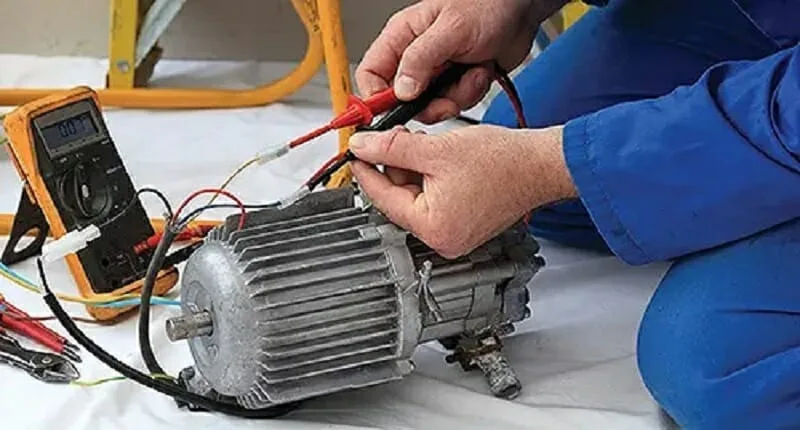
Image source: Bing (Web (fair-use with source credit))
Next, test the trigger switch. Set the multimeter to Continuity mode (beep symbol). Place probes on the switch terminals.
Press the trigger. You should hear a beep. Silence means the switch is open internally.
These microswitches wear out quickly with rapid-fire usage. Replacing them costs pennies compared to a new gun.
Finally, check the motor coils. Disconnect the motor wires from the ESC. Measure resistance across the two motor leads.
Expect 1, 5 Ohms for typical brushed DC gearmotors. An infinite reading (OL) confirms a broken coil wire. Zero ohms suggests an internal short.
In both cases, the motor needs replacement. Verify connections at the solder joints too. Cold solder cracks often mimic component failure.
Mechanical Jams vs. Burnt-Out Windings: How to Tell the Difference
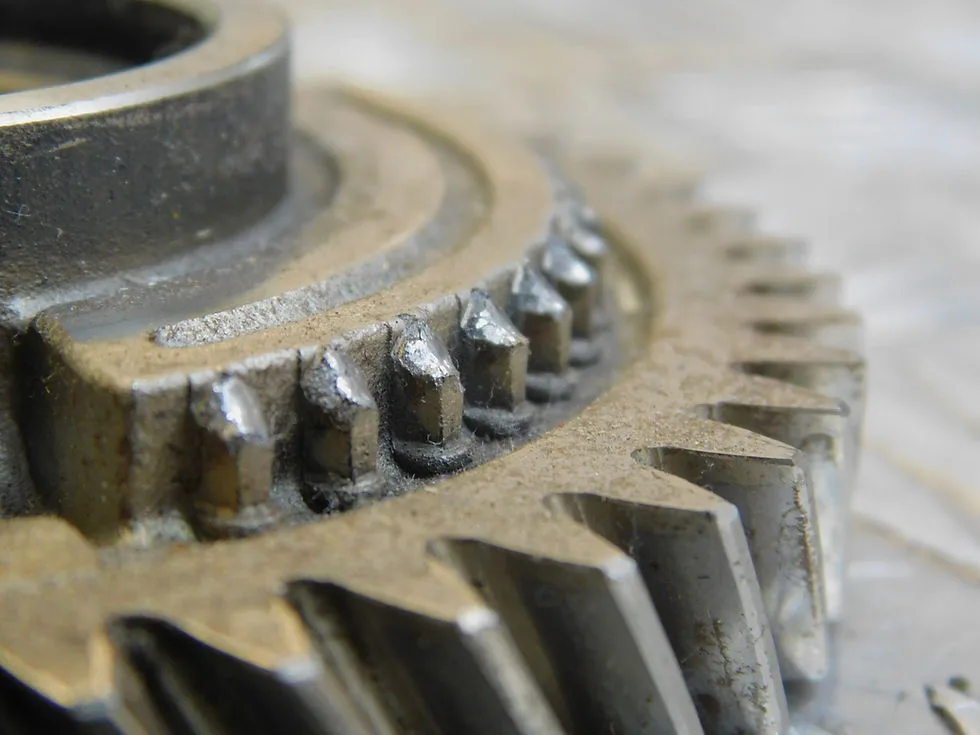
Image source: Bing (Web (fair-use with source credit))
Distinguishing between mechanical and electrical failure prevents wasted effort. Listen closely during operation. A burnt-out winding often smells like acrid ozone or hot plastic.
If you detect this odor, stop immediately. Continued power application damages the ESC further.
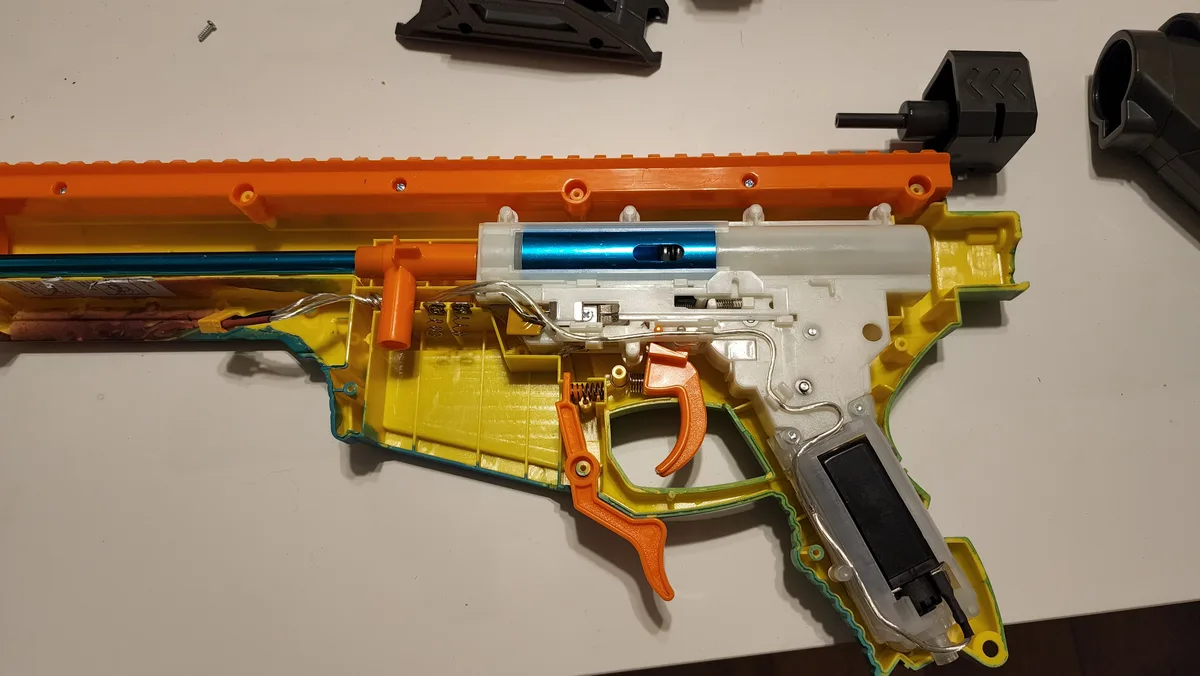
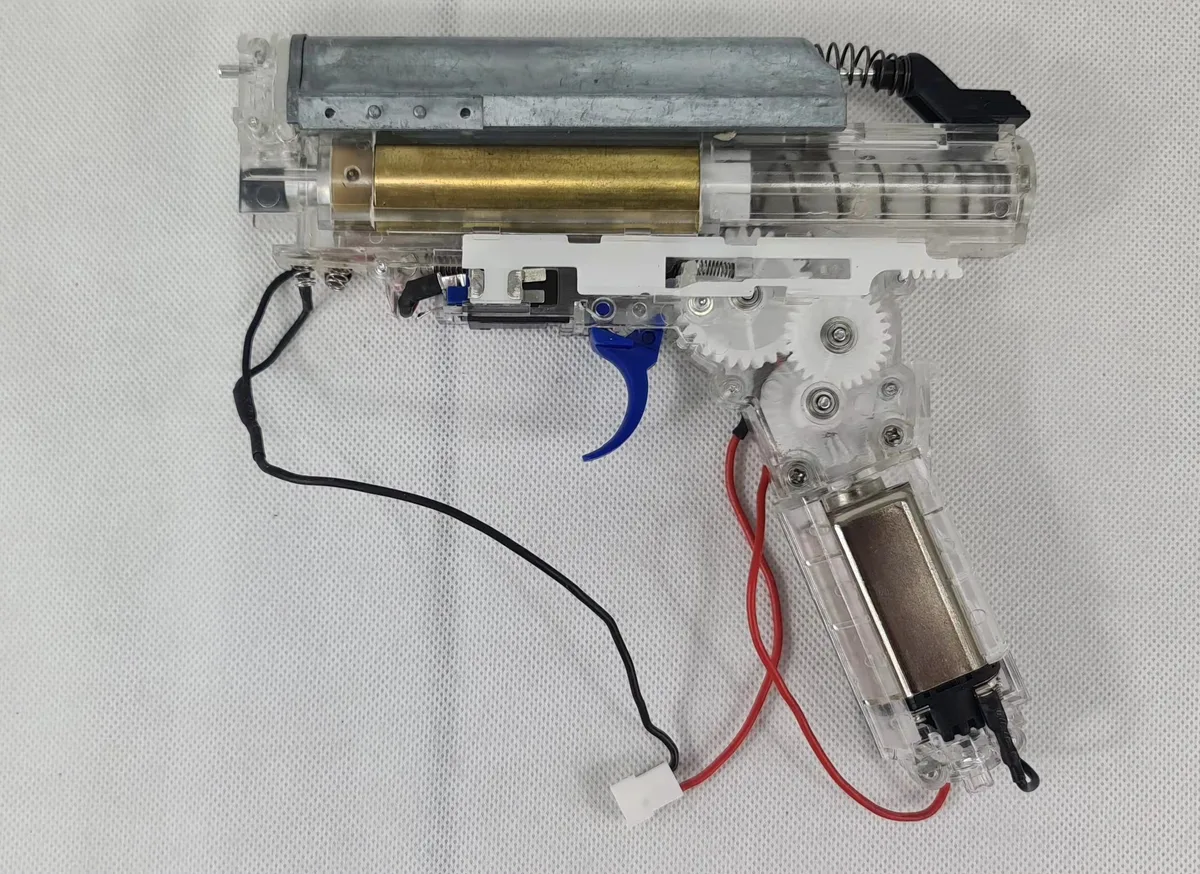
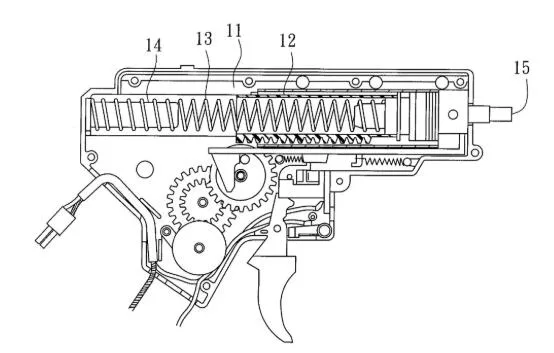
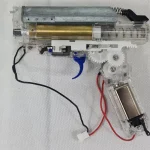
Mechanical issues present differently. Grinding noises indicate stripped nylon gears. Splatter ball guns rely on plastic gearing to reduce RPM.
High torque spikes from jams shear these teeth. Inspect the gearbox interior for debris or shattered plastic fragments. A smooth rotation by hand rules out major gear damage.
Conversely, electrical failures show no physical noise. The motor may sit silent despite correct voltage input. This implies an open circuit within the stator windings.
Brushed motors also suffer from worn carbon brushes. If the commutator looks pitted or blackened, replace the brushes. Aggregate reviews report brush wear as a top cause of intermittent power loss in older units.
Check the O-ring seals near the motor shaft. Leaking water seeps into the motor housing, causing corrosion. Rust on the shaft increases friction, mimicking a stall.
Lubricate moving parts with silicone grease only. Petroleum-based oils degrade plastic components rapidly. Proper maintenance extends lifespan significantly.
As of 2026, many manufacturers recommend annual seal inspections for heavy users.
Repair or Replace? A Cost-Benefit Decision Guide
Deciding whether to fix or buy new depends on part availability and skill level. Weigh the time investment against hardware costs carefully.
For simple fixes like cleaning contacts or replacing a $2 microswitch, repair is always superior. You save money and gain technical confidence. Soldering skills help here, though some connectors allow plug-and-play swaps.
However, full motor replacements vary in difficulty. Generic DC gearmotors cost $5, $15 online. But finding exact shaft diameter and mounting hole spacing matters.
Mismatched parts require drilling new holes, risking structural integrity. If your model is proprietary or obscure, sourcing parts becomes difficult.
Consider the ESC board. If MOSFETs are fried, replacement boards range from $10, $25. Combined with labor time, this approaches half the price of a new entry-level unit.
New guns offer warranty coverage and updated safety features. Older models may lack thermal protection, increasing fire risk.
Evaluate your usage frequency. Casual players benefit from buying new replacements to ensure reliability. Competitive hobbyists might prefer repairing to maintain specific tuning mods.
Always prioritize safety over cost savings if electrical damage involves lithium batteries. Damaged cells pose explosion risks. Dispose of them properly per local regulations.
Refer to NIST guidelines for safe handling of electronic waste and battery disposal protocols where applicable.
Common Mistakes That Kill Splatter Ball Gun Motors Early
Overloading the hopper is a frequent error. Users often pack beads too tightly, creating excessive backpressure. This forces the motor to work harder than designed.
The resulting heat buildup damages windings quickly. Stick to recommended fill levels to prevent strain.
Ignoring moisture ingress accelerates corrosion. Water seeps into electrical contacts during play. If not dried properly, oxidation builds up on terminals.
This increases resistance and reduces power delivery. Always wipe down the exterior after use. Store the unit in a dry environment.
Using incorrect battery chemistry poses risks. Mixing old and new cells causes imbalance. This leads to voltage drops under load.
The motor stalls, drawing high stall current. Such spikes burn out ESC components instantly. Replace entire battery packs simultaneously.
Never mix brands or capacities.
Skipping regular lubrication harms moving parts. Dry gears generate friction and heat. This wears down plastic teeth prematurely.
Apply silicone-based grease to gear interfaces annually. Avoid petroleum products that degrade plastics. Proper maintenance ensures smooth operation.
Neglecting this step shortens lifespan significantly. Regular checks catch issues early. Prevention beats repair every time.
FAQs
Can I replace the motor myself?
Yes, if you have basic soldering skills. Most units use standard DC gearmotors. Match the voltage and shaft size carefully.
Check mounting hole spacing before buying. Incorrect fitment requires drilling modifications. Seek professional help if unsure about wiring.
Safety precautions are essential when handling batteries.
Why does my gun click but not fire?
This usually indicates stripped gears or a jam. The motor tries to turn but fails. Open the gearbox to inspect for debris.
Remove any swollen gel beads blocking the path. Check gear teeth for shearing damage. Replace broken components with compatible spares.
Clean the area thoroughly before reassembly. Test manually to ensure free rotation.
How long do splatter ball guns last?
Lifespan varies by usage intensity and care. Heavy users may see failures within months. Casual players can expect several seasons.
Battery degradation affects performance over time. Motor wear depends on thermal management. Regular maintenance extends operational life.
Store indoors away from extreme temperatures. Inspect seals periodically for leaks. Quality control impacts initial durability.
Is it safe to use third-party batteries?
Proceed with caution regarding compatibility. Third-party cells may lack proper protection circuits. Over-discharge risks permanent battery damage.
Ensure voltage matches manufacturer specifications exactly. Poor quality connectors cause intermittent power loss. Verified buyers report mixed experiences with generics.
OEM replacements guarantee optimal performance. Prioritize safety over cost savings here. Check reviews for reliability data first.

Similar Posts