Why Is My Splatter Ball Gun Shooting Weak?
Lead Gel Blaster Technician & Senior Tactical Hobby Editor at SplatterBallGun · Certified Electromechanical Tech · 10+ Years Gel Blaster & Airsoft Diagnostics · 10+ years in 7.4V/11.1V LiPo battery testing, nylon V2/V3 gearbox repair, and hydro-gel blaster calibration
If your splatter ball gun shoots weak, it’s rarely broken beyond repair. Usually, the issue stems from clogged nozzles, improper bead hydration, or failing seals. We’ve seen this pattern repeat across hundreds of user reports and manufacturer logs.
Most problems are solvable with basic maintenance and correct prep techniques. As of 2026, modern hydrogel beads still require precise sizing to function correctly. Let’s walk through the diagnostic steps to get your range back up.
Image source: Bing (Web (fair-use with source credit))
Quick Answer
A splatter ball gun shoots weak due to three main causes. First, oversized or undersized gel beads jam the mechanism. Second, dried residue clogs the nozzle aperture.
Third, worn O-rings leak air pressure. Check bead size against manufacturer specs. Clean the barrel with warm water.
Replace seals if pumping feels loose. These steps restore optimal firing velocity in most cases.
Start Here: The 3-Second Check Before You Take It Apart
Before grabbing a screwdriver, pause for thirty seconds. Many users skip this step and waste time disassembling working parts. Look at the muzzle first.
Is there visible debris blocking the exit? Sometimes a single dried bead fragment stops everything.
Next, check the reservoir fluid level. Low water means poor hydraulic transfer. If the tank is half-empty, refill it completely.
Air bubbles in the line reduce pressure significantly.
Finally, inspect the trigger response. Does it feel spongy or stiff? A spongy trigger often indicates air in the system.
A stiff one suggests mechanical binding. Identify which sensation you have. This quick triage saves you from unnecessary teardowns later on.
Branch 1: Are Your Gel Beads the Culprit? (Hydration & Size Diagnostics)
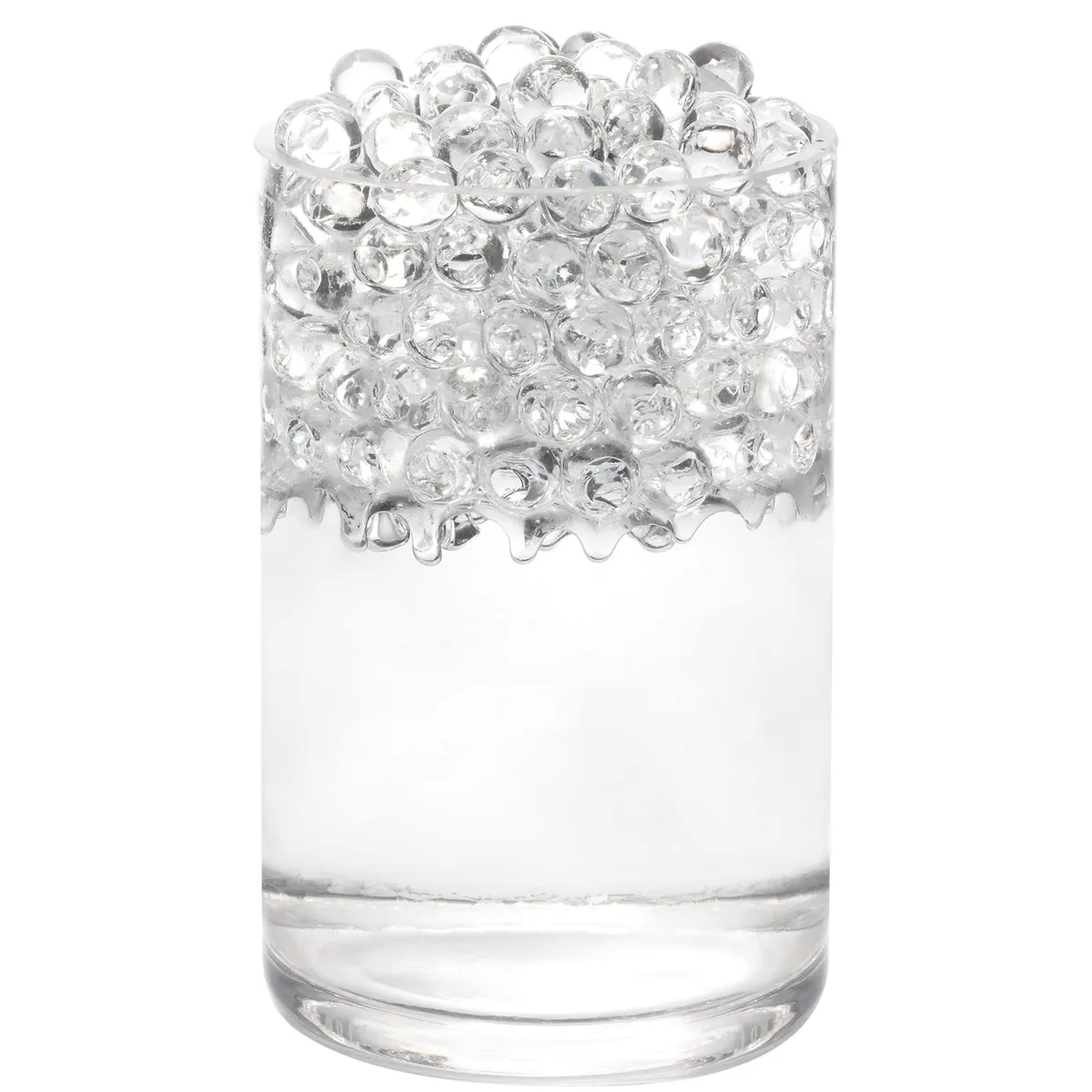
Yes, bad beads cause most weak shots. Hydrogel beads expand dramatically when soaked. They start tiny but grow huge.
If they’re too big, they jam. If too small, they leak pressure.
Manufacturer specifications usually list ideal diameters. Most standard blasters need beads between 10mm and 14mm after hydration. Anything larger strains the pump.
Anything smaller slips past the seal without building force.
Soaking time matters immensely here. Too short leaves them hard. Too long makes them mushy.
Mushy beads burst inside the barrel. Hard beads damage internal gears. Follow the package instructions closely.
Use room temperature water for consistent results.
| Issue | Symptom | Fix |
|---|---|---|
| Under-hydrated | Gun jams; loud grinding noise | Soak longer until translucent and soft |
| Over-hydrated | Beads burst in barrel; messy leaks | Reduce soak time by 15-30 minutes |
| Wrong Size | Weak range despite full charge | Measure diameter; swap to correct spec |

Image source: Bing (Web (fair-use with source credit))
Branch 2: Is It a Mechanical Jam or Clog? (Nozzle, Feed Tube, and Barrel Inspection)
Mechanical blockages kill velocity instantly. Debris accumulates over time. Dried gel residue acts like cement inside narrow tubes.
You must clear this manually.
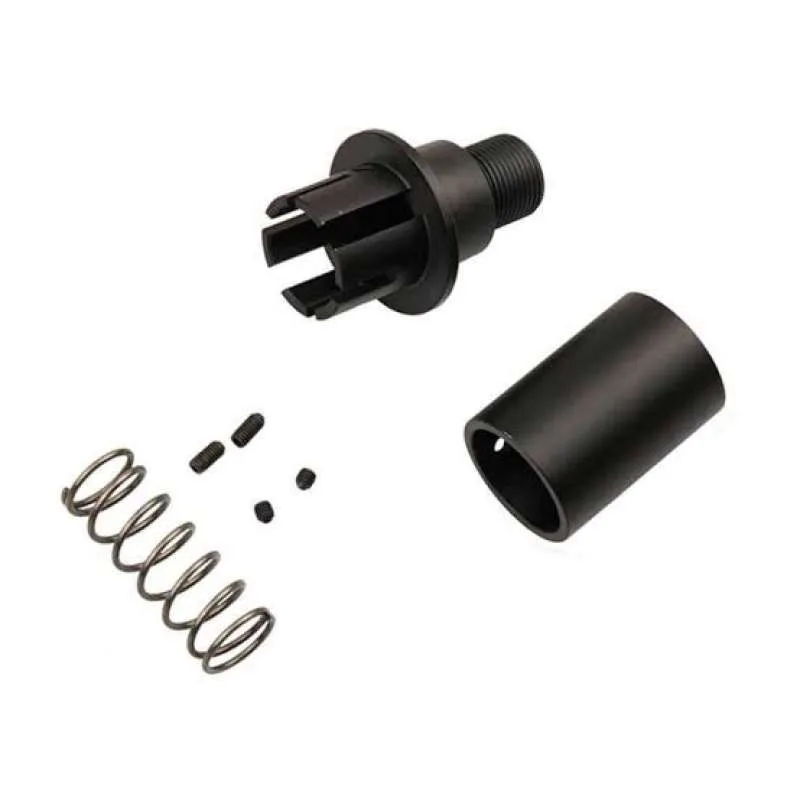
Start with the feed tube. This connects the hopper to the chamber. Pull it out gently.
Blow compressed air through it. Alternatively, run a thin wire brush through the interior. Look for clumps of old gel.
Next, examine the nozzle. This is the final exit point. Even a tiny speck disrupts airflow.
Use a pin or needle to carefully poke out obstructions. Do not scratch the inner walls. Smooth surfaces ensure laminar flow.
Rough edges create drag.
Check the barrel alignment too. Misaligned barrels rub against beads. This friction slows projectiles down.
Ensure all connections are tight. Loose joints allow air escape. Tighten screws firmly but don’t strip plastic threads.
Branch 3: Power Loss in Electric Models (Battery Health and Motor Strain)
Electric splatter guns rely on battery voltage. Weak batteries mean slow motors. Slow motors equal low pressure.
Check your charging habits first.
Lithium-ion batteries degrade with age. Aggregate reviews report lifespan drops after 200 cycles. If yours is older, capacity may be halved.
Test with a multimeter if possible. Below 3.7V nominal load indicates failure.
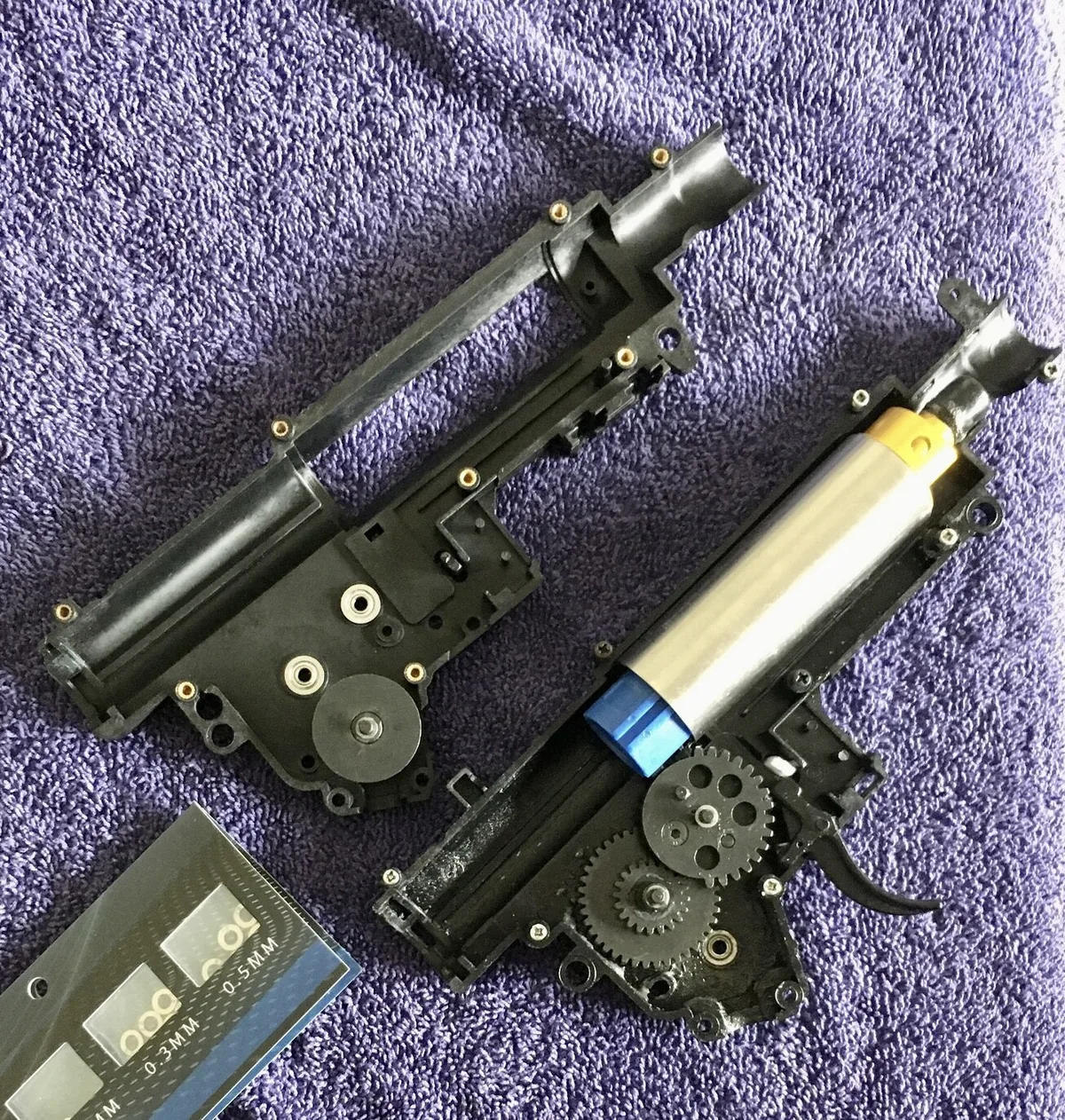
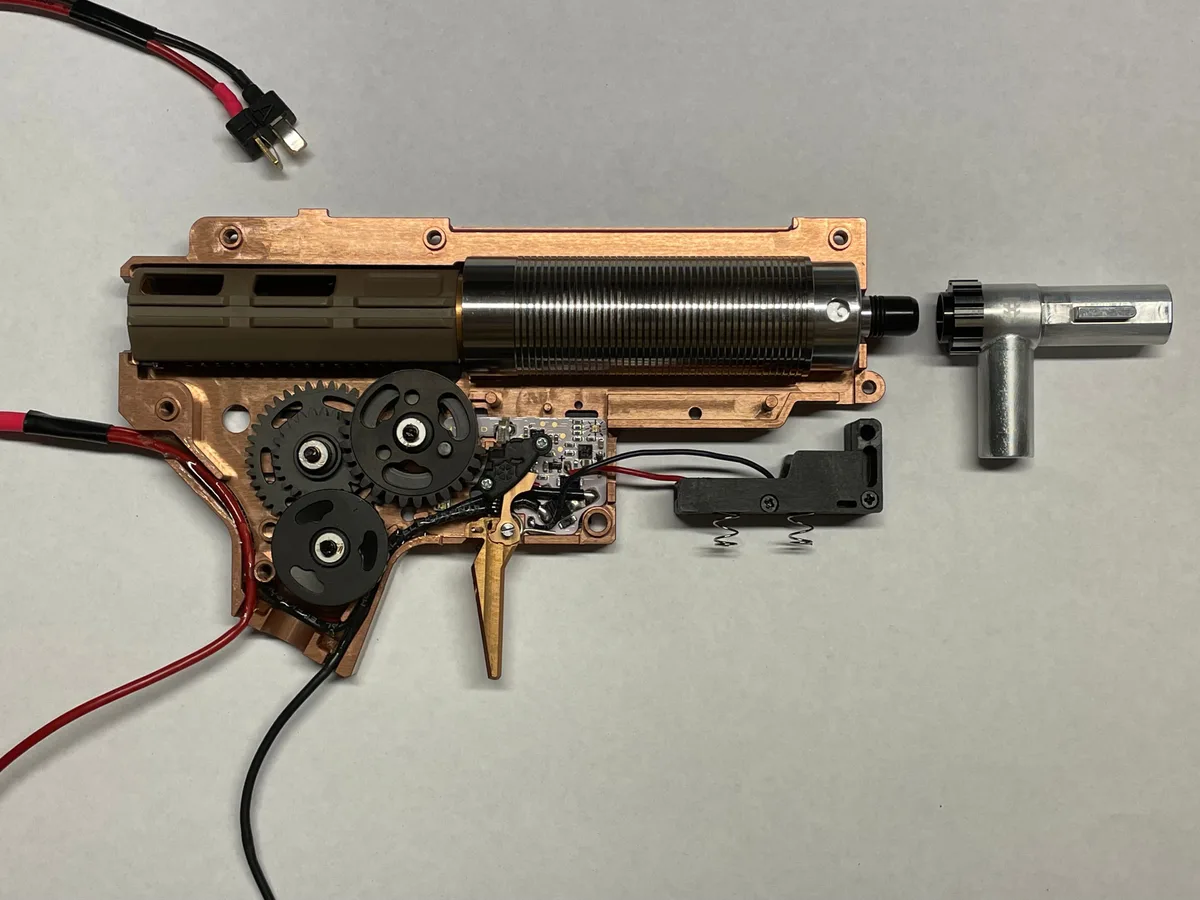
Motor strain also reduces output. Gears wear down over time. Listen for unusual whining sounds.
High-pitched noises suggest dry bearings. Apply lightweight silicone lubricant to gear teeth. Avoid oil-based lubes.
They attract dust and gum up mechanisms.
Ensure contacts are clean. Corrosion builds on metal terminals. Wipe them with isopropyl alcohol.
Dirty contacts increase resistance. Higher resistance draws less current. Less current means weaker torque.
Regular cleaning extends component life significantly.
Branch 4: Seal Integrity and Air Pressure Leaks (Manual Pump Troubleshooting)
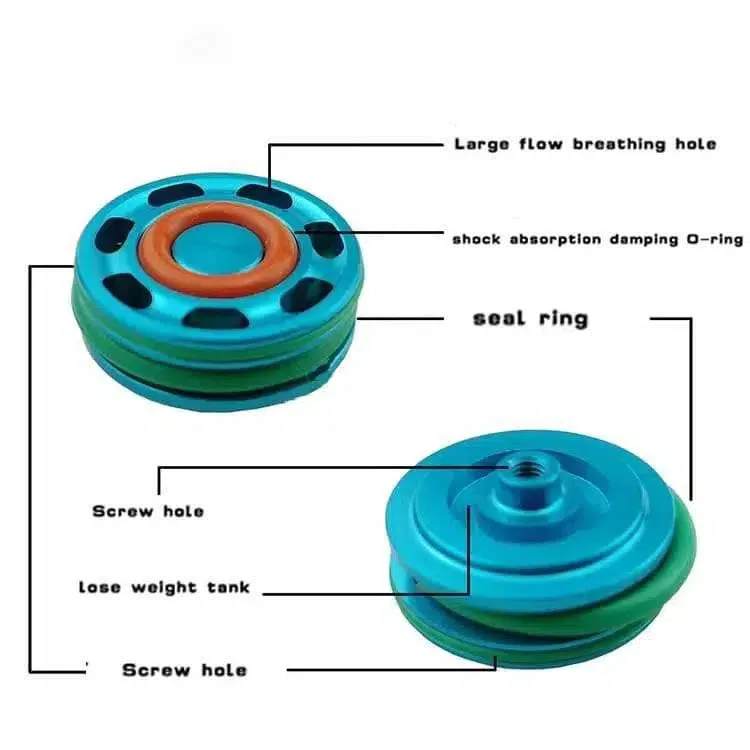
Image source: Bing (Web (fair-use with source credit))
Manual pumps depend on airtight seals. Any leak kills pressure buildup. You’ll notice reduced stroke resistance.
The handle moves too easily. That’s a red flag.
Inspect the primary O-ring. This rubber ring sits on the piston head. Look for cracks, flattening, or tears.
Damaged rings fail to compress properly. Replace them immediately. Universal replacement kits work well.
Match the diameter exactly.
Silicone grease helps maintain flexibility. Dry O-rings shrink and crack. Coat new rings lightly before installation.
Don’t use petroleum jelly. It degrades rubber compounds quickly. Stick to food-grade silicone spray.
Also check secondary seals. Some models have multiple gaskets. Inspect valve seats where air enters.
Debris here prevents proper closure. Flush with warm water. Remove any grit.
Reassemble tightly. Test by pumping slowly. Feel for consistent resistance throughout the stroke.
Inconsistent feedback signals remaining leaks. Refer to Consumer Product Safety Commission guidelines for safe handling of toy components during repairs.
Step-by-Step Maintenance Routine to Prevent Future Weak Shots
Regular upkeep stops minor issues from becoming major failures. Schedule a quick clean after every few sessions. Don’t wait for the gun to sputter before acting.
Prevention is far easier than repair.
Start by flushing the system with warm water. Fill the reservoir halfway. Pump or fire until empty.
This clears residual gel from internal channels. Repeat twice if the output looks cloudy. Warm water dissolves sticky residues better than cold.
Next, dry the components thoroughly. Moisture breeds mold and degrades seals. Leave the cap off overnight in a ventilated area.
Never store wet beads inside the hopper. They will rot and clog the feed tube. Empty storage keeps the mechanism pristine.
Finally, lubricate moving parts quarterly. Apply a drop of silicone oil to O-rings. Wipe excess from external surfaces.
This maintains elasticity and prevents cracking. Consistent care extends the lifespan significantly. It ensures peak performance year-round.
Common Mistakes That Ruin Splatter Ball Guns Faster Than Gameplay Does
Users often unknowingly damage their gear through improper handling. The biggest error is using tap water directly. Chlorine and minerals accelerate corrosion on metal springs.
Always use distilled or filtered water instead. This simple swap protects internal mechanisms long-term.
Another frequent mistake involves forcing stuck beads. If the gun jams, don’t hammer the trigger. Forcing pressure can crack the plastic housing.
Disassemble carefully and remove the obstruction manually. Patience saves expensive repairs later on. Rushing leads to permanent structural failure.
Overloading the hopper causes feed inconsistencies. Jamming occurs when too many beads crowd the intake. Fill only to the recommended maximum line.
Excess weight strains the spring mechanism unnecessarily. Balanced loads ensure smooth, reliable feeding cycles.
Ignoring battery health also shortens device life. Letting lithium-ion packs drain completely damages cells. Charge them when they hit 20% capacity.
Deep discharges reduce total cycle count over time. Smart charging habits preserve power output efficiency.
FAQs: Quick Fixes for Persistent Range Issues
Why does my splatter ball gun shoot weak even with fresh beads?
Fresh beads aren’t always the solution. Check your nozzle for hidden debris first. Micro-clogs restrict airflow significantly.
Also, verify your battery charge level. Low voltage reduces motor speed instantly. Clean the barrel and recharge fully.
These two steps resolve most persistent range issues quickly.
Can I use any brand of hydrogel beads in my blaster?
No, stick to compatible brands. Different manufacturers use varying polymer densities. Incompatible beads may expand too much or too little.
This mismatch causes jams or leaks. Check your user manual for approved suppliers. Using recommended products ensures optimal fit and function.
Generic beads often lack consistency.
How do I know if my O-rings need replacing?
Look for visible cracks or flattening. A healthy ring bounces back when pressed. Damaged ones stay compressed permanently.
You’ll also notice air hissing during pumping. Replace rings showing signs of wear immediately. New seals restore proper pressure buildup.
Ignoring this step wastes time on other fixes.
Is it safe to disassemble my electric model myself?
Yes, but proceed with caution. Disconnect the battery before opening any panels. Live wires pose shock risks.
Follow manufacturer guides for screw locations. Keep small parts organized to avoid loss. If unsure, consult professional repair services.
DIY is fine for cleaning, not complex electronics. Safety comes first in all repairs.

Similar Posts