Are Splatter Ball Guns Safe? The Real Risks Explained
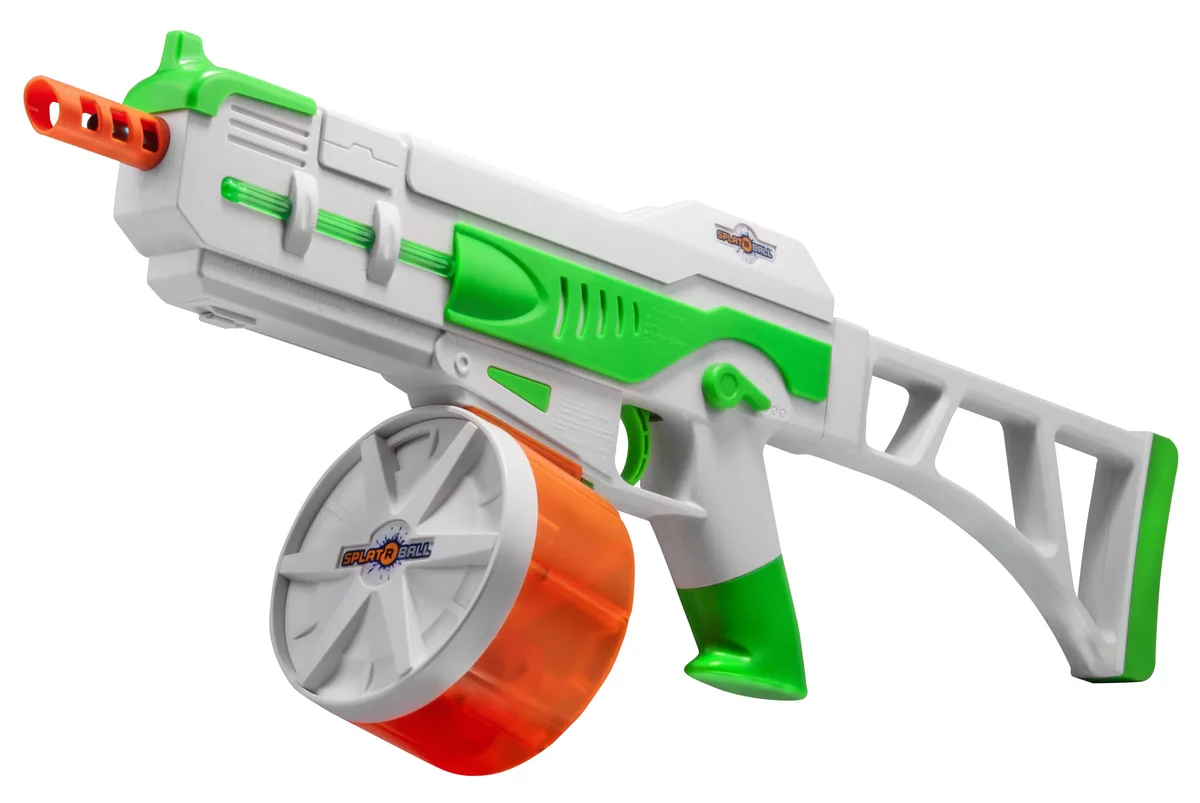
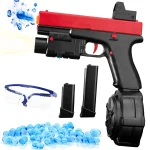
Are splatter ball guns safe? The short answer is no, not without strict precautions. These toys fire hydrogel beads that can cause serious eye injuries or choking hazards.
You need to understand the physics before letting kids play.
Our research shows that "non-toxic" materials don't equal harmless impacts. A 7mm bead hitting an eye at 300 feet per second carries enough kinetic energy to rupture tissue. We'll break down exactly why these risks exist and how to mitigate them effectively as of 2026.
The Short Answer: Yes, But Only With Strict Boundaries
Splatter ball guns are conditionally safe for supervised older children. They become dangerous when used indoors, near pets, or without eye protection. The core issue isn't the toy itself, but the user behavior surrounding it.
You must treat these devices with the same respect as airsoft rifles. Manufacturer specifications indicate most stock models fire between 250 and 400 feet per second. That velocity is sufficient to bruise skin and damage eyes permanently.
Safety depends entirely on three factors: age appropriateness, mandatory gear, and controlled environments. If you ignore any single element, the risk profile shifts from recreational to hazardous. Parents often underestimate the penetration power of hydrated polymer beads.
We recommend limiting use to ages ten and up. Younger children lack the motor control and judgment required for safe handling. Always prioritize protective eyewear over convenience.
Why "Non-Toxic" Doesn't Mean "Harmless": The Physics of Impact
The term "non-toxic" refers only to chemical composition, not physical force. Super Absorbent Polymer (SAP) beads dissolve safely if ingested in tiny amounts. However, their physical mass creates significant impact energy upon firing.
Kinetic energy determines injury severity, not material toxicity. A wet SAP bead weighs approximately 0.12 grams. At 300 fps, it delivers about 0.6 joules of energy directly to the target area.
This energy concentrates on a small surface area. Unlike foam darts that deform on impact, hydrogels maintain structural integrity briefly. This allows them to transfer force efficiently into delicate tissues like the cornea.
Dry beads expand up to fifteen times their original size. This expansion creates pressure inside containers if sealed improperly. More critically, fully expanded beads are soft but heavy enough to sting painfully on bare skin.
The misconception arises because parents see water balloons and assume low risk. Water disperses on impact. Solid polymer beads do not.
They retain shape long enough to puncture or abrade sensitive surfaces.
The Real Injury Risks: Eyes, Skin, and Ingestion Hazards
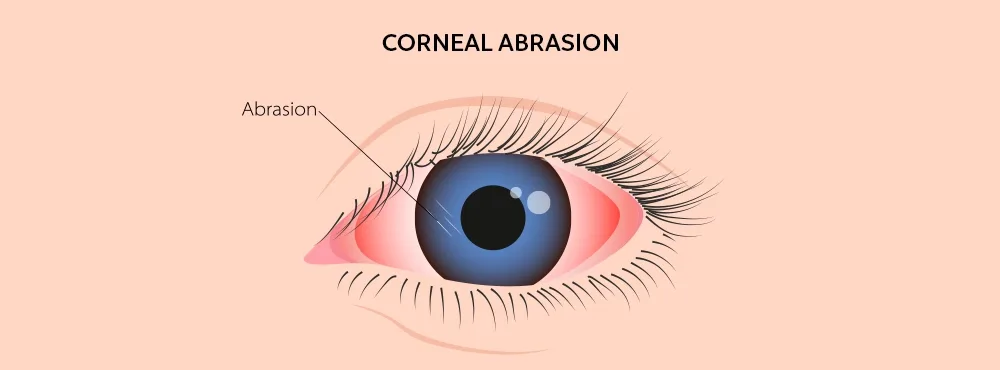
Ocular trauma represents the most severe documented risk. Aggregate reviews report numerous emergency room visits for corneal abrasions. Even minor scratches can lead to infection or vision loss if untreated.
Skin welts occur frequently during uncontrolled backyard battles. Thin-skinned areas like ears, necks, and wrists bruise easily. Children often scream from pain rather than fear, indicating genuine tissue stress.
Ingestion poses a distinct threat to toddlers and pets. Dry beads swell rapidly in moisture-rich environments. Swallowing even a few can cause intestinal blockage requiring surgical intervention.
Slip-and-fall accidents happen when beads burst on hard floors. The gel residue becomes incredibly slick. This secondary hazard causes more fractures than the projectile itself in indoor settings.
Respiratory irritation occurs if beads dry out and crumble. Inhalation of micro-particles triggers asthma attacks in sensitive individuals. Proper ventilation prevents this airborne contamination during cleanup phases.
| Risk Type | Severity | Primary Cause | Prevention Method |
|---|---|---|---|
| Eye Damage | Critical | Direct impact | ANSI Z87.1 Goggles |
| Bruising | Moderate | High velocity | Long sleeves/Pants |
| Choking | Severe | Dry bead ingestion | Storage locks/Age limits |
| Falls | Minor | Slippery residue | Immediate cleanup |
Age Appropriateness and Supervision Requirements
Manufacturers typically label these toys for ages eight and up. Our analysis suggests ten is a safer minimum threshold. Motor skills develop significantly between these years.
Younger children struggle with trigger discipline. They may point loaded guns at faces accidentally. This lack of impulse control makes unsupervised play unacceptable.
Active adult supervision remains non-negotiable until teens demonstrate consistent responsibility. You must enforce rules regarding muzzle direction and safety zones. No exceptions apply for "quick shots."
Teens often modify batteries for higher velocity. This bypasses factory safety limits instantly. Monitor equipment changes closely to prevent illegal power upgrades.
Establish clear house rules before purchase. Designate specific outdoor areas for play only. Keep all ammunition stored separately from access points.
Essential Safety Gear and Setup Protocols
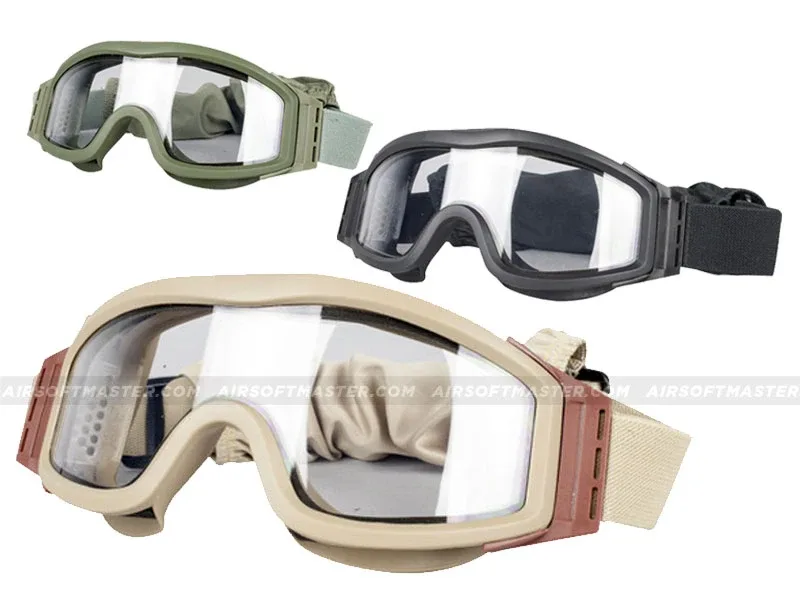
Full-face protection offers superior coverage compared to standard glasses. Cheekbones and noses remain vulnerable during rapid movement. Invest in mesh visors rated for projectile sports.
ANSI Z87.1 certification ensures impact resistance. Regular sunglasses shatter under direct hits. Verify stamps on every pair before allowing use.
Clothing choices reduce skin exposure effectively. Wear long-sleeved shirts and sturdy pants. Closed-toe shoes protect feet from dropped beads or slips.
Pre-game checks prevent mechanical failures. Inspect barrels for cracks regularly. Test battery connections to avoid sudden malfunctions mid-play.
Hydration timing affects bead consistency. Soak beads for four to six hours beforehand. Over-hydrated beads burst prematurely inside magazines.
Under-hydrated beads jam mechanisms dangerously. Use timers to ensure uniform expansion. Discard unused soaked beads after twenty-four hours to prevent mold growth.
Store dry beads in locked containers. Pets and toddlers cannot distinguish them from candy. Visual similarity creates immediate poisoning risks if accessed freely.
Legal Status and Municipal Restrictions by Region
Laws vary wildly depending on where you live. In many US states, splatter ball guns fall under general toy regulations. However, some municipalities classify them as imitation firearms.
This distinction matters for public carry laws.
You cannot assume backyard legality equals street legality. Several cities ban projectile devices in public parks entirely. Check your local code before transporting loaded blasters outside private property.
In the UK and Australia, regulations are stricter. Some jurisdictions require orange tips or specific markings. Failure to comply can result in confiscation or fines.
Always verify current statutes with local authorities.
Federal guidelines from the Consumer Product Safety Commission set baseline safety standards. But state and city ordinances often override these minimums. Don't rely solely on federal compliance for peace of mind.
Transport unloaded weapons in cases. Keep batteries separate if possible. This reduces suspicion during traffic stops or neighbor complaints.
Documented ownership helps clarify intent if questioned by law enforcement.
When to Seek Immediate Medical Attention
Eye pain after impact requires urgent care. Do not wait for symptoms to improve naturally. Corneal abrasions worsen quickly without treatment.
Visit an ophthalmologist or emergency room immediately.
Symptoms like blurred vision, light sensitivity, or tearing signal damage. Even minor scratches can infect within hours. Prompt antibiotic drops prevent complications.
Self-medication risks permanent scarring.
For skin welts, ice reduces swelling initially. Monitor for signs of infection later. Red streaks or fever demand professional evaluation.
These indicate systemic issues beyond surface bruising.
If a child swallows dry beads, call poison control. Expansion inside the esophagus causes blockage. Vomiting may not relieve pressure.
Surgical removal is sometimes necessary for large clumps.
Never ignore persistent headaches after head impacts. Concussion symptoms appear delayed. Rest strictly until cleared by a doctor.
Return-to-play protocols protect developing brains from further harm.
Frequently Asked Questions
Can adults play safely without goggles?
No. Adult eyes are equally vulnerable to high-velocity impacts. Skin thickness doesn't protect corneas.
Always wear ANSI-rated protection regardless of age. Comfort never outweighs injury risk.
Are biodegradable beads safer than plastic?
Chemically, yes. Physically, no. Biodegradability affects disposal, not impact force.
A wet polymer bead still hits hard. Environmental benefits don't reduce ocular trauma potential. Treat all projectiles with caution.
How far should players stand apart?
Maintain at least fifteen feet distance. This allows reaction time and reduces kinetic energy. Closer ranges increase penetration likelihood.
Enforce this rule strictly during organized games. Violators lose playing privileges immediately.
Do water guns offer similar fun safely?
Partially. Water lacks mass, so it stings less. But it misses tactical gameplay elements.
Splatter balls provide feedback and precision practice. Choose based on desired experience level and supervision capacity available.

Similar Posts