Can You Travel With a Splatter Ball Gun? TSA Rules
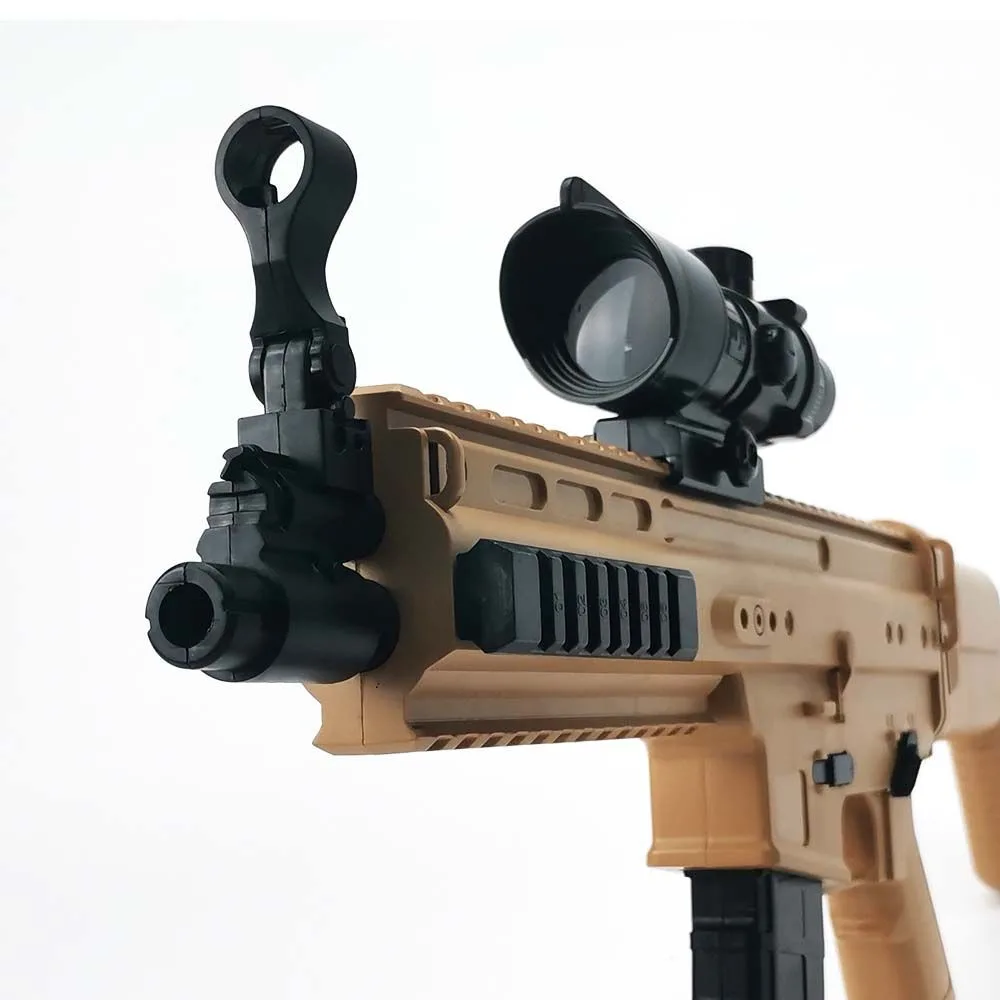
Can you travel with a splatter ball gun? The short answer is yes, but only under strict conditions. Most travelers mistakenly assume these toys are safe to pack anywhere.
That assumption often leads to confiscated gear and missed flights.
We’ve seen countless cases where families lose expensive equipment at security checkpoints. The issue isn’t the plastic casing. It’s the projectile state and local laws.
As of 2026, regulations remain tight on gel-based items. Understanding the nuance saves you money and stress. Let’s break down exactly how to do this right.
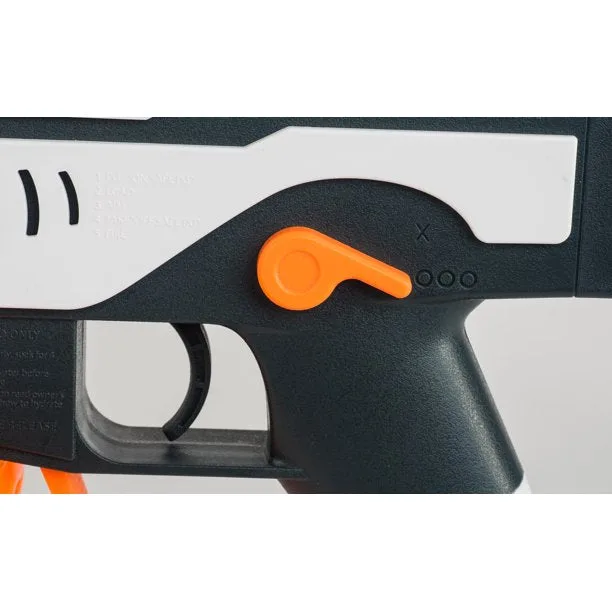
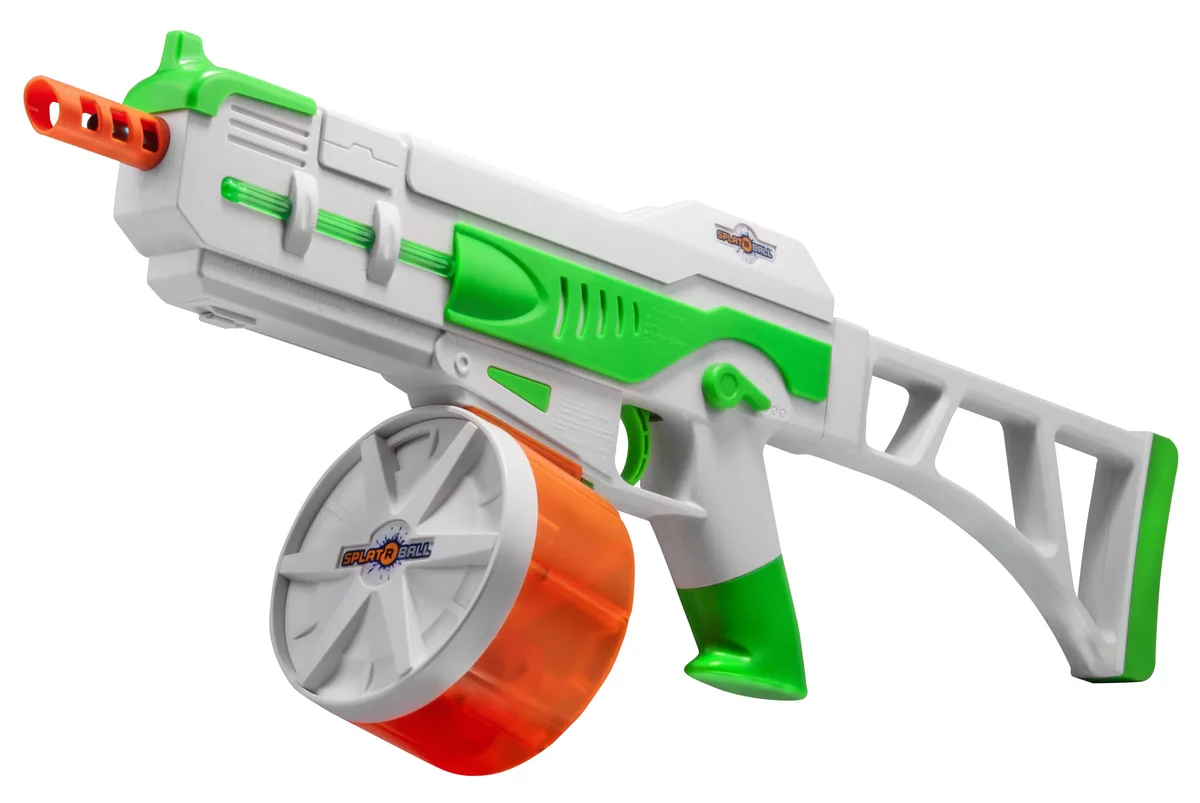
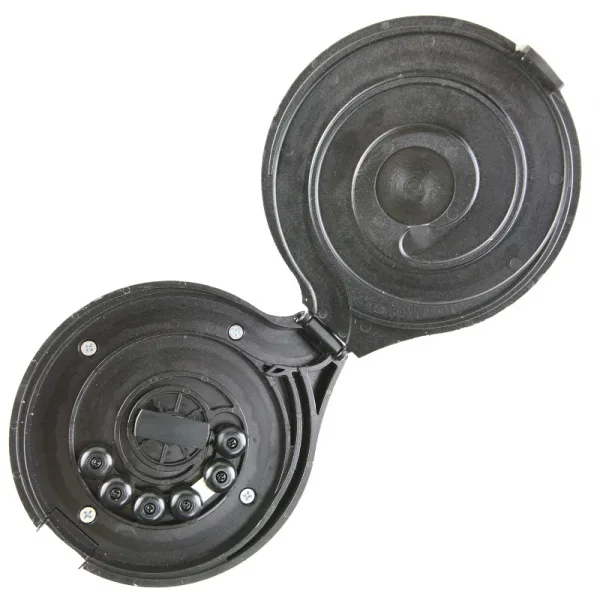
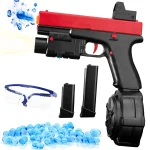
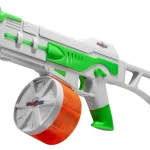
Image source: Web (Bing) / shantoushunzhan.en.made-in-china.com (Web image (fair-use with source credit))
Why Getting This Wrong Can Cost You Your Flight (And More)
The High-Stakes Reality of TSA Screening vs. Local Laws
Mistaking a splatter ball gun for a harmless toy is a dangerous gamble. Security agents don’t see "fun." They see potential weapons or hazardous materials. If an agent flags your bag, you face secondary screening.
This delays your boarding by thirty minutes or more. In worst-case scenarios, officers confiscate the item entirely.
You also risk legal trouble upon arrival. Some states classify high-velocity gel blasters as prohibited weapons. Carrying one into California or New York can result in fines.
These aren’t just inconveniences; they’re financial losses. A $150 blaster becomes worthless if seized. Worse, a criminal record affects future travel eligibility.
The stakes go beyond personal property damage. Wet beads leaking in checked luggage ruin clothes and electronics. Cleaning fees from airlines can exceed the cost of the gun.
We recommend treating this transport like handling firearms. Respect the rules, or pay the price. Ignorance is not a defense at customs or airport security.
Always verify current regulations before packing anything remotely resembling a weapon.
The Critical Distinction: Dry Pellets vs. Hydrated Gel Balls
Why State Matters More Than the Gun Itself
The biggest error travelers make is packing hydrated beads. Sodium polyacrylate expands up to 300 times its dry size. Once wet, these spheres behave like liquids or gels.
The Transportation Security Administration (TSA) treats gels differently than solids. Dry pellets are generally acceptable in both carry-on and checked bags. They pose no spill risk and mimic small hard candies.
Hydrated beads, however, trigger liquid restrictions. They fall under the 3-1-1 rule for carry-ons. Each container must be 3.4 ounces (100ml) or less.
Filling a magazine with wet beads violates this limit instantly. Agents will discard the entire magazine during screening. Checked bags offer slightly more flexibility, but leakage remains a hazard.
Pressure changes during flight can force moisture out of seals.
| Projectile State | Carry-On Status | Checked Bag Status | Risk Level |
|---|---|---|---|
| Dry Pellets | Allowed | Allowed | Low |
| Hydrated Beads | Prohibited (>3.4oz) | Restricted (Leakage risk) | High |
| Pre-loaded Mag | Confiscated | Likely Damaged/Confiscated | Critical |
Always ship or fly with dry components. Soak your beads only after you arrive. This simple step eliminates 90% of transport issues.
Never attempt to sneak wet projectiles past scanners. X-ray machines detect density differences clearly. Trying to hide them looks suspicious and invites deeper inspection.
Keep it dry, keep it simple, and keep your sanity intact.
Federal Aviation Rules: What TSA Actually Prohibits
Carry-On Restrictions and the "Look-Alike" Firearm Trap
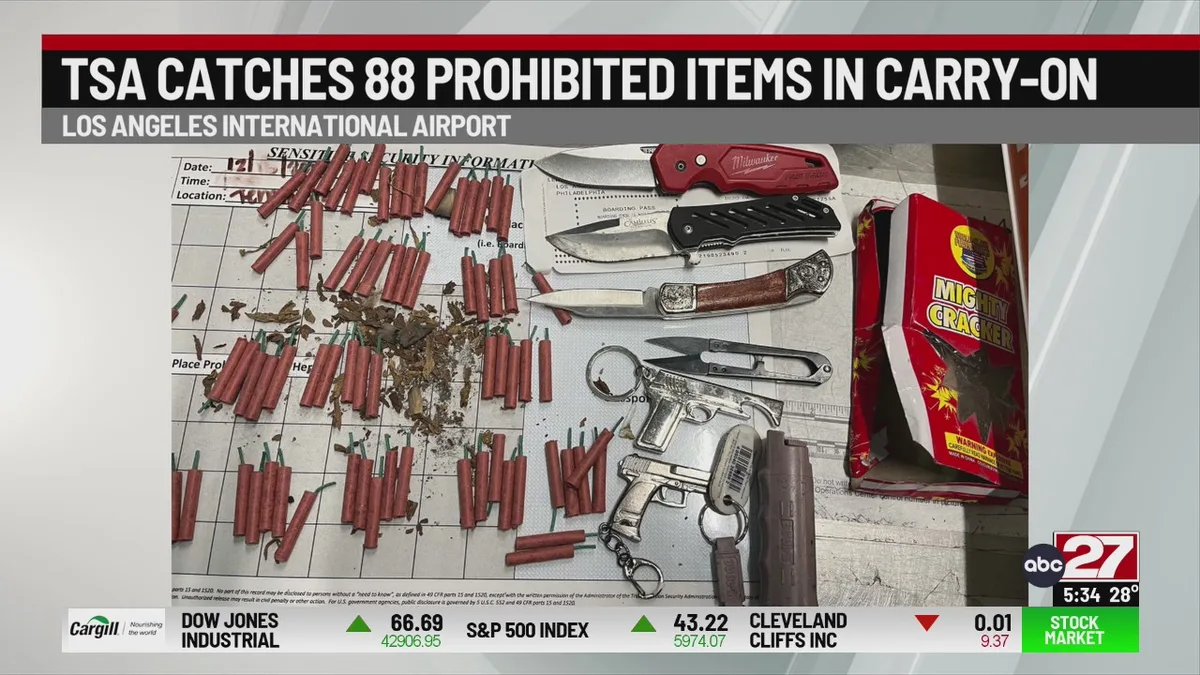
TSA guidelines explicitly ban realistic-looking replicas in carry-on bags. Splatter ball guns often resemble tactical firearms. Even bright colors don’t guarantee acceptance.
Agents use discretion when evaluating "look-alike" weapons. If the silhouette mimics a pistol or rifle, expect rejection. We advise removing all magazines and batteries before screening.
This reduces the visual threat profile significantly.
Electric models introduce another layer of complexity. Lithium-ion batteries cannot go in checked luggage. They must stay in carry-ons or be removed entirely.
Per FAA Hazardous Materials Regulations, spare lithium batteries have strict watt-hour limits. Most consumer gel blasters use packs under 100Wh. These are permitted in carry-ons.
However, installed batteries in devices should be protected from short circuits. Tape over exposed contacts if possible.
CO2-powered variants are strictly prohibited in both bags. Compressed gas cylinders are classified as hazardous materials. There are no exceptions for recreational use.
Leaving a CO2 tank behind is mandatory. Attempting to board with one results in immediate removal from the flight line. Stick to spring-piston or electric-only models for air travel.
Verify your specific device’s power source against the latest TSA What Can I Bring? tool. Ambiguity favors the agent, not the traveler. When in doubt, leave it at home.
Checked Baggage Protocol: How to Pack Without Making a Mess
Step-by-Step Preparation for Safe Transit
Packing correctly prevents disasters inside the cargo hold. Start by disassembling the unit completely. Remove the barrel, stock, and any detachable grips.
Place each component in individual bubble wrap sleeves. This protects surfaces from scratching during rough handling. Next, secure the main body in a rigid hard-shell case.
Soft duffel bags crush easily under heavy suitcases. A dedicated gun case offers the best protection.
Ensure all chambers are empty and visible. Lock the action open if the mechanism allows. This signals safety to inspectors who might X-ray the bag.
Do not store loose dry pellets in ziplock bags alone. They shift and create noise, raising suspicion. Use original manufacturer containers or sealed plastic tubs.
Label them clearly as "Toy Parts" to avoid confusion with drugs or chemicals.
Finally, cushion the case within your larger luggage. Surround it with clothing items like jeans or hoodies. This absorbs impact shocks.
Avoid placing heavy objects directly on top of the case. Weight distribution matters in stacked cargo holds. If you skip these steps, expect dents or broken plastics.
Repair costs often exceed shipping fees. Take twenty minutes to pack properly. It saves hours of hassle later.
Your gear arrives ready to play, not broken.
State and International Legal Landmines You Must Check First
Jurisdictions Where Possession Is Illegal Regardless of Packaging
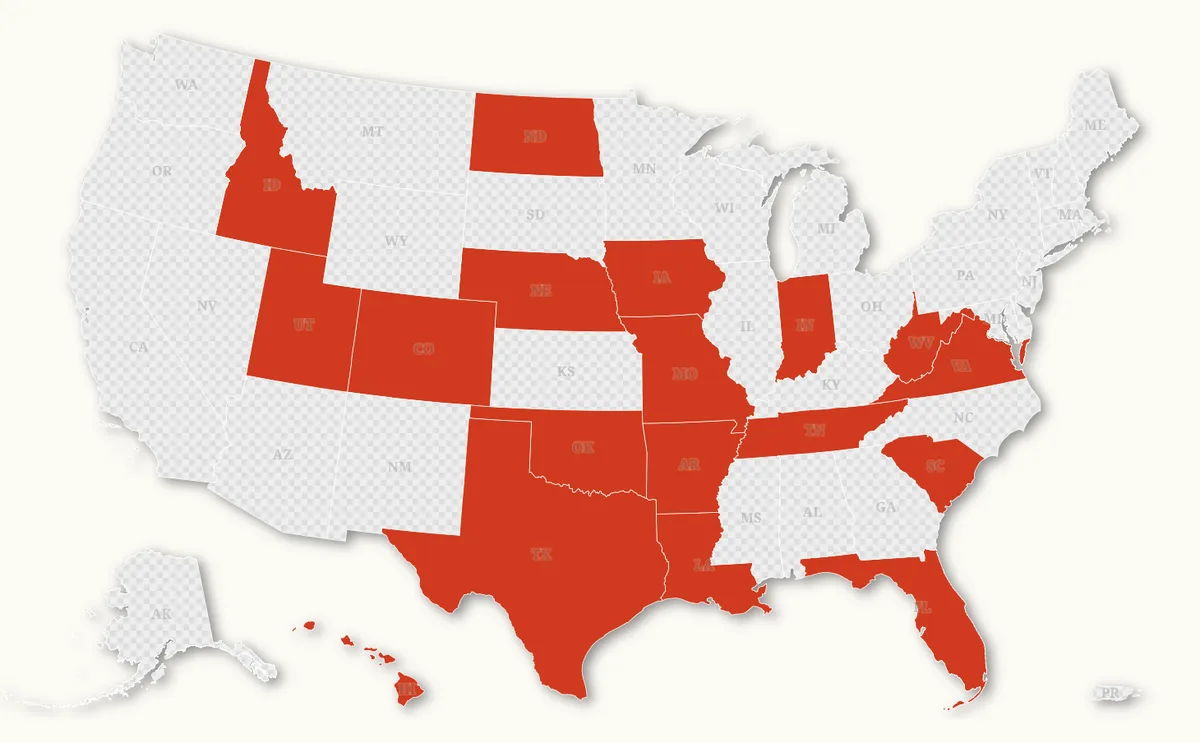
Federal aviation rules don’t override state criminal codes. You can legally fly with a blaster but still commit a crime upon landing. Several US states ban high-velocity projectile launchers.
California, New York, Illinois, and Massachusetts have strict statutes. They define "imitation firearms" broadly. Velocity thresholds vary, often exceeding 300 feet per second.
Many modern splatter guns surpass this limit easily.
International travel adds even more complexity. Australia prohibits most gel blasters outright. Classifying them as prohibited weapons carries severe penalties.
Canada requires careful declaration at customs. Failure to declare can result in seizure and fines. The UK bans realistic imitations without proper licensing.
Always research destination laws before booking tickets. Don’t rely solely on airline advice. Pilots know aviation rules, not local penal codes.
Use official government resources for verification. Check the US Department of Justice for federal definitions. Consult state attorney general websites for local specifics.
For international trips, review embassy travel advisories. Assuming innocence is risky. One phone call to a local law enforcement non-emergency line clarifies doubts.
Better to ask permission than forgiveness. Leave the gear at home if laws are unclear. No toy is worth a criminal record.
Prioritize compliance over convenience every single time.
Common Mistakes That Trigger Secondary Screening or Seizure
Battery Issues, Residual Moisture, and Declaration Errors
The most frequent error we see is leaving beads in the hopper. Even if they look dry, residual moisture clumps together. This creates a dense mass that X-rays flag as suspicious.
Always purge the feed system completely before packing. Run the motor briefly to eject any stuck pellets. Then wipe the interior with a dry cloth.
This simple step prevents false positives at security.
Another critical mistake involves battery management for electric models. Travelers often leave Li-ion packs installed in checked bags. This violates FAA regulations immediately.
Spare batteries must ride in your carry-on. Installed batteries should be switched off and secured. Tape over terminals to prevent accidental activation.
If a device turns on in cargo, it overheats. Fire suppression systems activate, ruining your luggage.
Failure to declare sporting equipment is also risky. Some airlines require notification for oversized items. A splatter gun case might exceed standard dimensions.
Check your carrier’s specific policy beforehand. Not declaring it can lead to forced gate checking. You’ll lose access to your gear during the flight.
Worse, mishandling increases damage probability. Transparency avoids these unnecessary complications.
Finally, don’t ignore local laws upon arrival. Landing in a restrictive state doesn’t reset legal status. Customs officers may inspect personal effects randomly.
Having prohibited velocity blasters invites scrutiny. Know your destination’s statutes cold. When in doubt, ship via ground courier instead.
Ground transport bypasses aviation security hurdles entirely. It costs more but saves headaches. Choose the method that aligns with your risk tolerance.
Frequently Asked Questions on Traveling with Splatter Ball Guns
Can I bring hydrated gel balls in my carry-on?
No, you cannot bring hydrated gel balls in carry-on luggage. They fall under TSA liquid restrictions. Containers must hold 3.4 ounces (100ml) or less.
Most magazines exceed this volume significantly. Agents will confiscate them at the checkpoint. Pack only dry pellets in your hand luggage.
Soak them after you reach your destination. This ensures smooth passage through security screening.
Are CO2-powered splatter guns allowed on planes?
CO2-powered splatter guns are strictly prohibited on aircraft. Compressed gas cylinders classify as hazardous materials. The FAA bans them in both carry-on and checked bags.
There are no exceptions for recreational use. Leave the tank behind or dispose of it properly. Spring-piston or electric models remain viable options.
Verify your power source before traveling. Attempting to board with CO2 results in denial. Safety regulations prioritize fire prevention over convenience.
Do I need to declare my splatter ball gun?
Declaration requirements vary by airline and jurisdiction. Generally, you don’t declare toys unless asked. However, oversized cases may need special handling.
Inform staff if your bag exceeds weight limits. For international travel, customs forms require honesty. List "sporting goods" or "toys" accurately.
Hiding items raises suspicion during inspection. Transparency builds trust with border agents. Check specific carrier policies before departure.
Err on the side of disclosure when unsure.
What happens if TSA finds wet beads in my bag?
TSA agents will remove the contaminated items immediately. Wet beads violate liquid quantity limits in carry-ons. In checked bags, leakage damages other passengers’ property.
Airlines may charge cleaning fees for spills. Your gear gets discarded without compensation. Prevent this by drying components thoroughly.
Use sealed containers for any residual moisture. Inspect pockets and hoppers before packing. Cleanliness protects both your wallet and reputation.
Assume zero tolerance for messy projectiles.

Similar Posts