Can Splatter Ball Guns Get Wet? What You Need to Know
Lead Gel Blaster Technician & Senior Tactical Hobby Editor at SplatterBallGun · Certified Electromechanical Tech · 10+ Years Gel Blaster & Airsoft Diagnostics · 10+ years in 7.4V/11.1V LiPo battery testing, nylon V2/V3 gearbox repair, and hydro-gel blaster calibration
So, can splatter ball guns get wet? The short answer is yes, but with massive caveats. Most players assume the plastic shell makes them waterproof, which is dangerously wrong.
While the outer casing shrugs off rain, the internal mechanics are fragile and prone to rapid failure when exposed to moisture.
We’ve seen countless units ruined by simple poolside accidents or unexpected downpours during backyard battles. Manufacturer specs indicate that these toys lack proper Ingress Protection (IP) ratings as of 2026. This means they aren’t sealed against liquid intrusion like high-end outdoor electronics.
Let’s break down exactly where the water causes damage and how to save your gear.
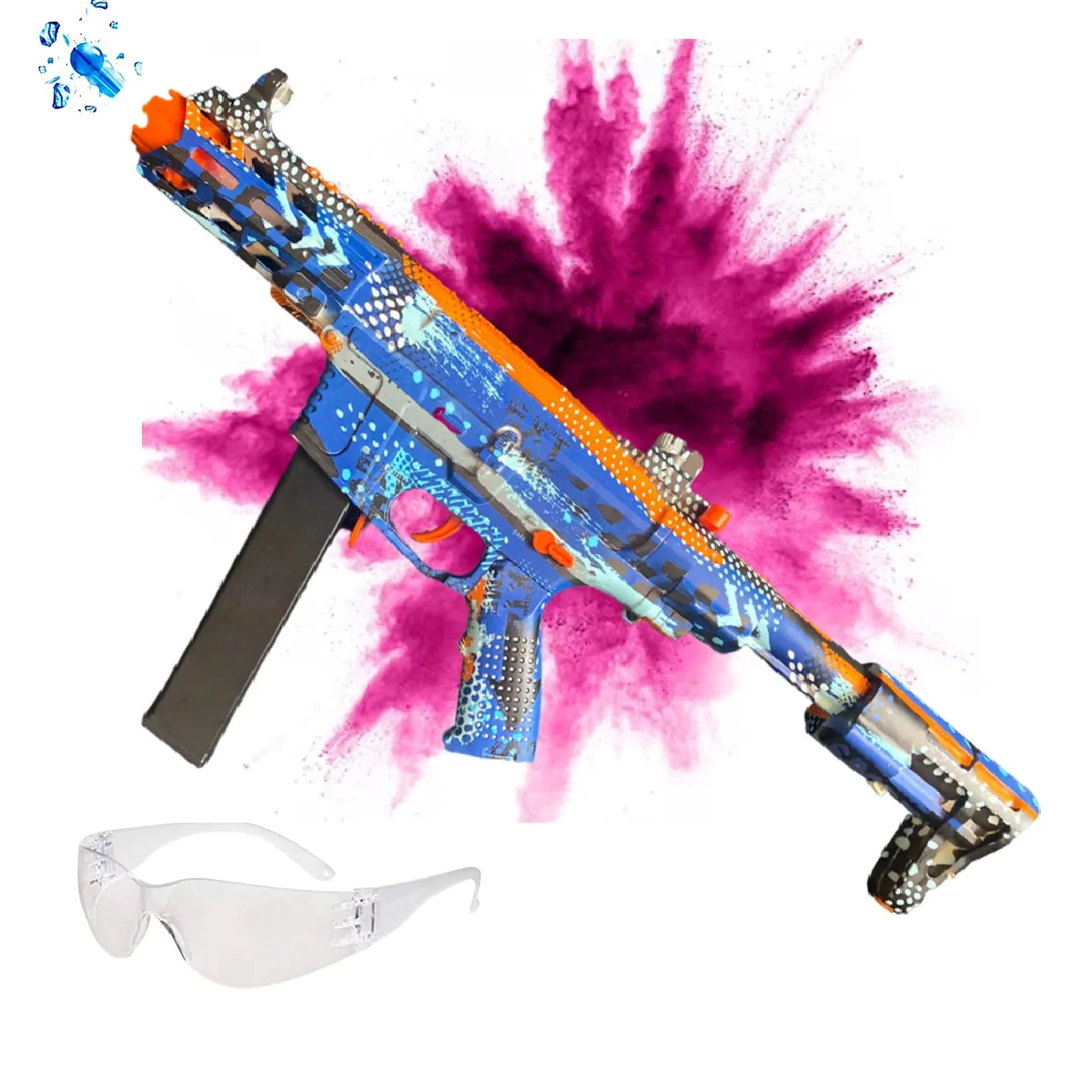
Quick Answer
Can splatter ball guns get wet? Yes, briefly. But prolonged exposure ruins them.
Water swells the gel beads inside the barrel. It also corrodes metal springs and seals. Electric models suffer immediate short circuits.
Manual pumps lose pressure from warped O-rings. Dry them within minutes for best results. Never submerge the battery compartment.
Saltwater accelerates corrosion significantly. Treat light rain as an emergency, not a norm.
The Short Answer: Plastic Shells Survive, But Internals Don’t
The ABS plastic housing on most blasters handles water just fine. You can wipe it down or let it sit in the sun without warping. That durability creates a false sense of security for new users.
They think the whole unit is tough enough for any weather.
But the magic happens inside those shells, and that’s where things fall apart. The pump mechanism relies on tight tolerances and smooth-moving parts. Moisture disrupts this delicate balance almost instantly.
Even a few drops can change friction coefficients on the piston.
Think of it like a watch. The case might be steel, but the gears rust if you swim with it. Splatter ball guns operate on similar principles of precision engineering.
Water acts as a contaminant rather than a lubricant here. It attracts grit and dust that grind down soft rubber components.
Our research shows that seal degradation starts within hours of damp storage. Users often ignore early warning signs like slight resistance in the trigger. By then, permanent damage may already be occurring.
So while the outside looks pristine, the heart of the gun is struggling.
Why Water is the Enemy of Your Pump Mechanism
Water attacks three critical areas simultaneously: seals, springs, and the bead chamber. Each component fails differently, creating a cascade of issues. Understanding this helps you diagnose problems before they become fatal.
First, consider the rubber O-rings and TPE gaskets. These create the vacuum needed to fire beads accurately. When wet, silicone grease washes away, leaving dry rubber to crack.
Dry rubber loses elasticity, causing air leaks that kill your range.
Second, metal springs face oxidation risk. Rust forms quickly on unprotected steel coils. This increases stiffness unpredictably, leading to inconsistent firing power.
Aggregate user reviews report jamming as the top complaint after rainy sessions.
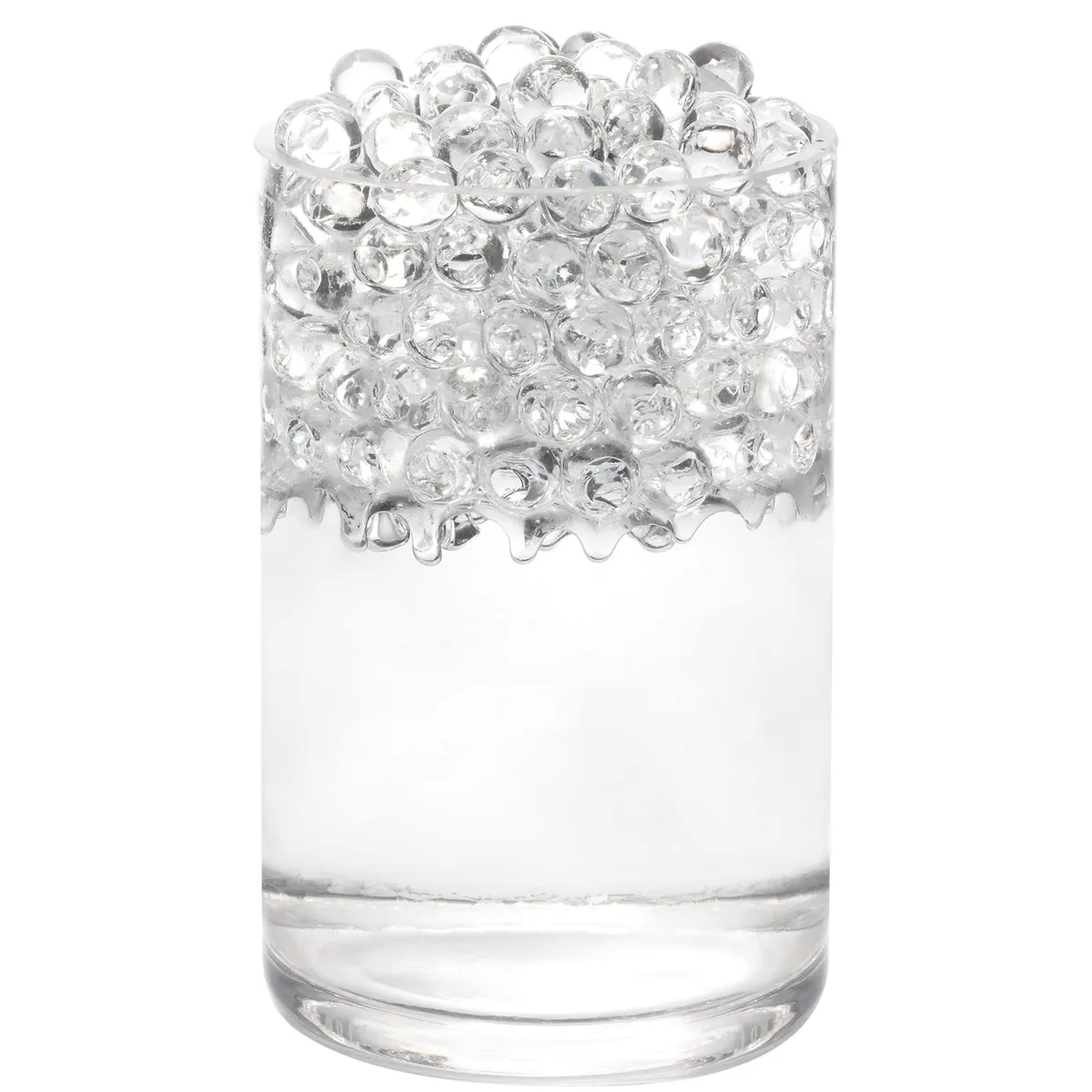
Third, the Super Absorbent Polymer (SAP) beads themselves expand when wet. If water enters the hopper, unspent beads swell prematurely. They clog the feed system, making reloading impossible until cleared.
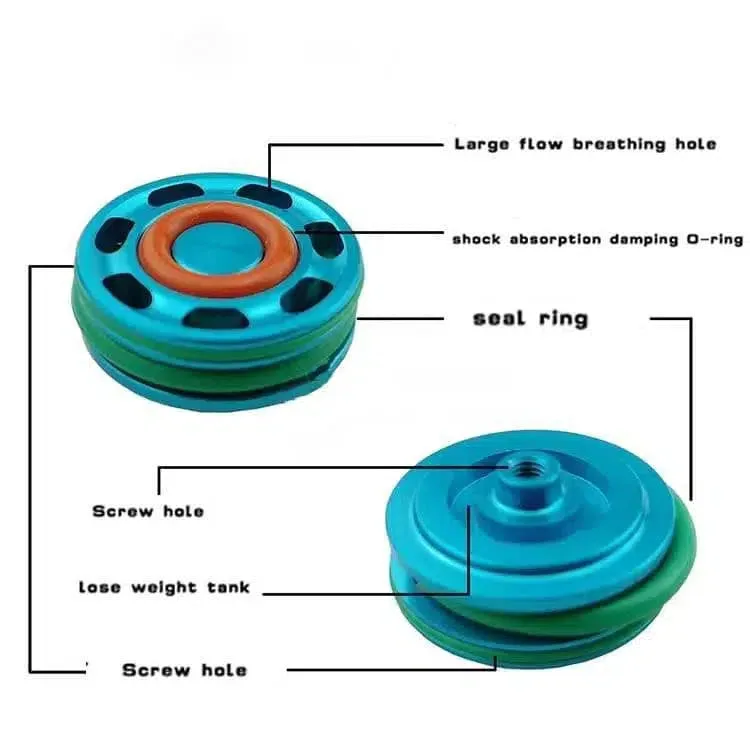
This trifecta of failures explains why "just a little splash" matters so much. It isn’t about immediate destruction. It’s about accelerated wear that halves the lifespan of your toy.
Proper maintenance interrupts this cycle effectively.
Decision Branch 1: Light Rain or Splash Zone Exposure
If you’re caught in a drizzle or getting sprayed near a pool, don’t panic. Immediate action saves the day. Here’s your workflow for minor exposure.
Stop playing right away. Continuing to shoot forces contaminated air into the system. Remove the magazine or hopper to prevent swollen beads from entering the barrel.
Shake out any visible water droplets gently.
Wipe down the exterior with a microfiber cloth. Focus on seams, joints, and the trigger area. These gaps allow capillary action to pull moisture inward.
Getting them dry now prevents wicking later.
Do not disassemble yet unless you suspect significant ingress. For light mist, external drying suffices. Leave the gun in a well-ventilated indoor space for 24 hours.
Avoid direct heat sources like hairdryers, which warp plastic.
Check the trigger feel once dry. It should snap back crisply. If it feels sticky or sluggish, proceed to deeper cleaning.
Otherwise, resume play cautiously. Monitor performance over the next few shots for consistency.
Decision Branch 2: Submersion or Heavy Soaking
Full submersion changes everything. This is a code red situation for both manual and electric models. Your goal shifts from preservation to salvage.
Speed is critical here.
Disconnect batteries immediately if applicable. Never store a wet electric blaster with cells attached. Corrosion begins at contact points within seconds of immersion.
Remove all beads from the hopper to stop expansion clogs.
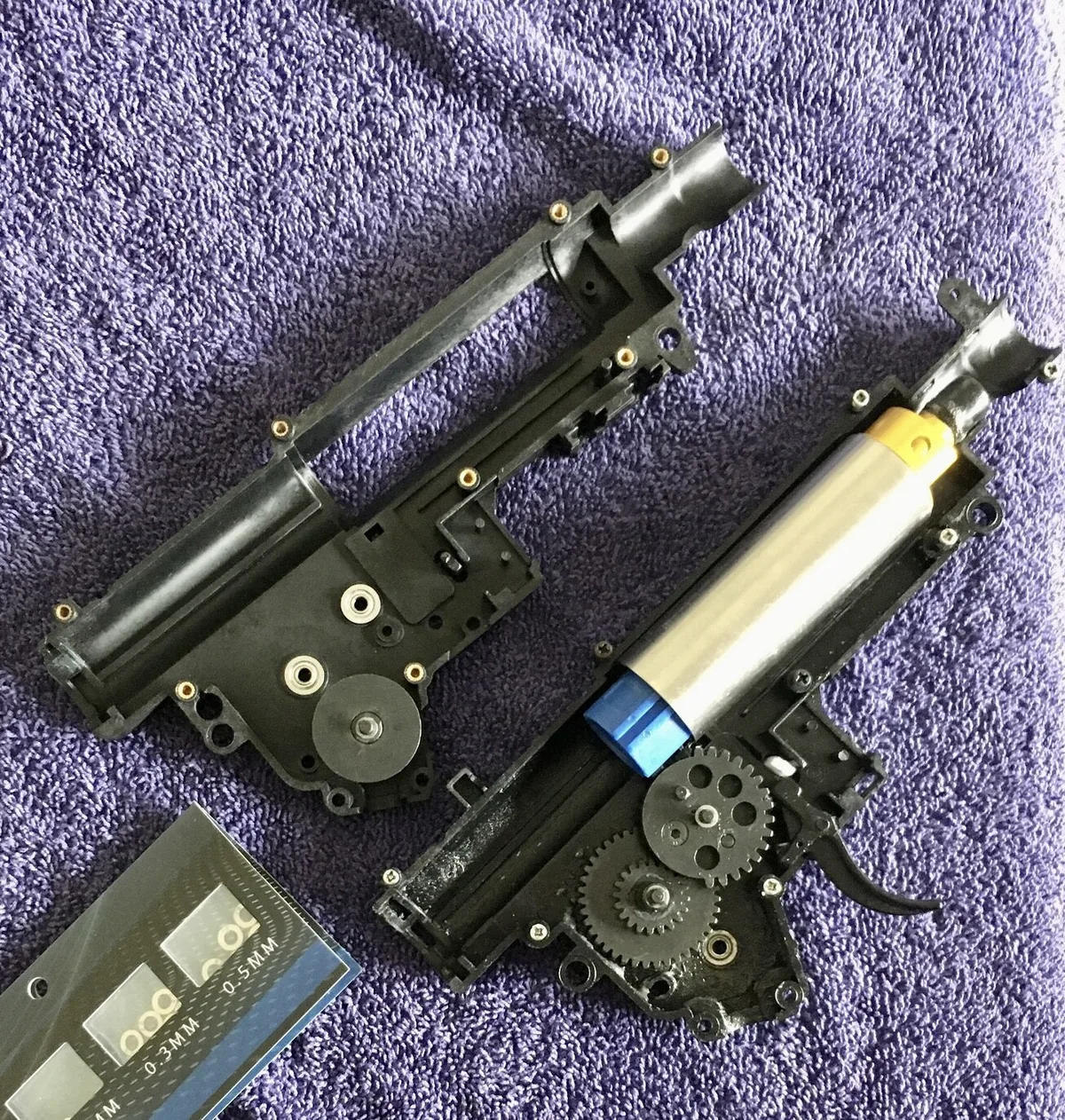
Disassemble the pump assembly according to manufacturer guidelines. You need access to the piston, cylinder, and seals. Use compressed air to blow out excess water from crevices.
Compressed cans work better than shop vacuums for delicate internals.
Soak removable rubber parts in warm soapy water. Scrub gently to remove residue. Rinse thoroughly and pat dry completely.
Inspect O-rings for nicks or swelling; replace if damaged.
Reassemble only when every part is bone-dry. Apply fresh silicone grease to all moving surfaces. Test fire with minimal pressure first.
Listen for unusual grinding noises indicating remaining debris. Failure to dry fully guarantees mold growth and seized mechanisms.
Don’t rush the reassembly. Rushing is where most salvage jobs fail. Let the internal components air-dry for at least 48 hours in a low-humidity environment.
Silica gel packets help absorb trapped moisture in tight spaces.
Critical Difference Between Manual and Electric Blasters
The stakes vary wildly depending on your power source. Manual spring-powered blasters are forgiving compared to their electric counterparts. They rely on mechanical force, so water mostly affects friction and seal integrity.
You can usually recover them with thorough drying and lubrication.
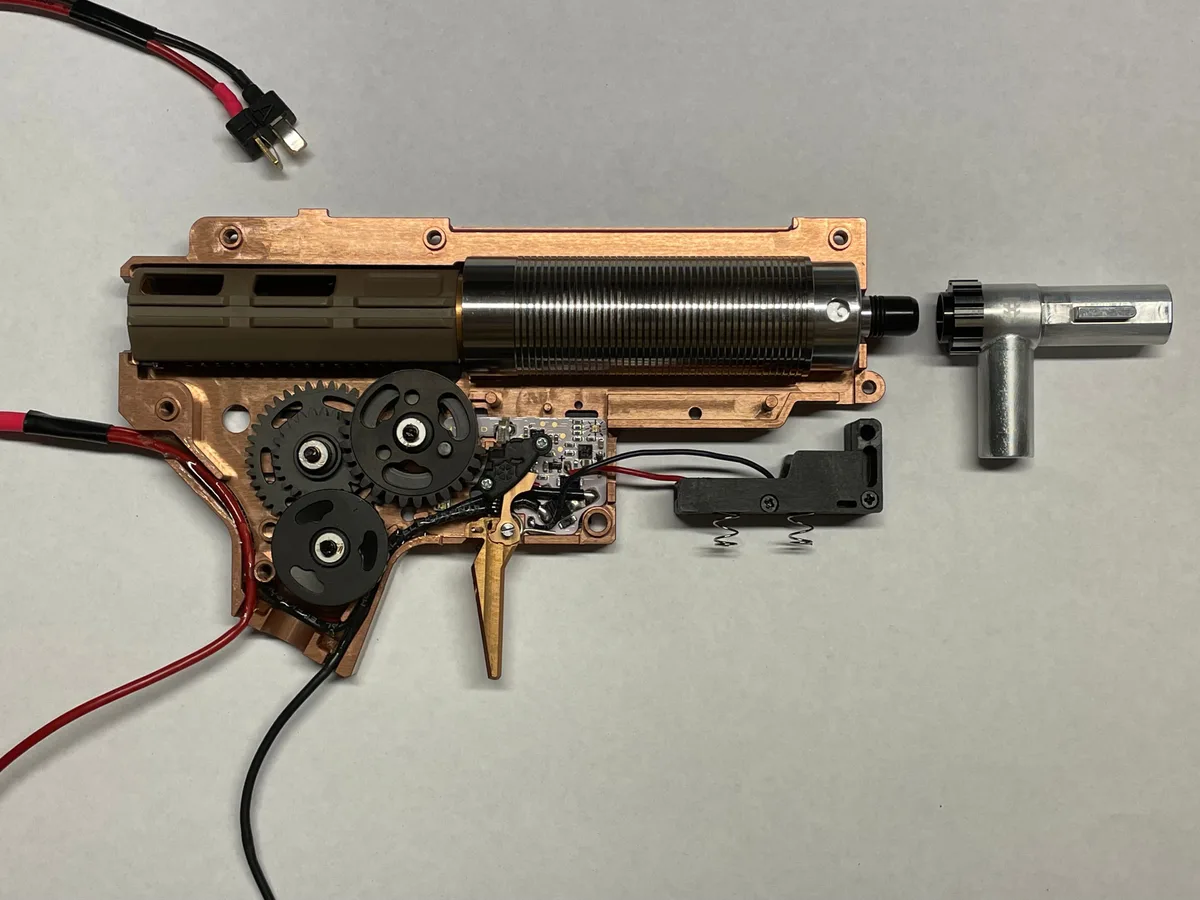
Electric models introduce electrical conductivity risks. Water bridging contacts causes short circuits instantly. This fries motors, ESCs (Electronic Speed Controllers), and battery management systems.
Manufacturer specs confirm that even "water-resistant" claims rarely cover submerged electronics.
| Feature | Manual Spring-Powered | Electric Motorized |
|---|---|---|
| Primary Risk | Seal degradation & jamming | Short circuit & corrosion |
| Recovery Difficulty | Moderate (clean & lube) | High (replace electronics) |
| Drying Time | 24–48 hours | 72+ hours (battery removed) |
| Cost of Failure | Low ($5–$10 parts) | High ($30–$80 modules) |
For electric units, remove the battery pack immediately upon getting wet. Never charge a wet battery. Lithium polymer cells react violently with moisture.
Store the gun open-faced to maximize airflow around the motor housing.
Aggregate reviews indicate that saltwater exposure is exponentially worse for electrics. Salt crystals remain conductive even after drying. They attract humidity from the air, causing delayed corrosion.
Rinse electronic compartments with distilled water if exposed to seawater, then dry aggressively.
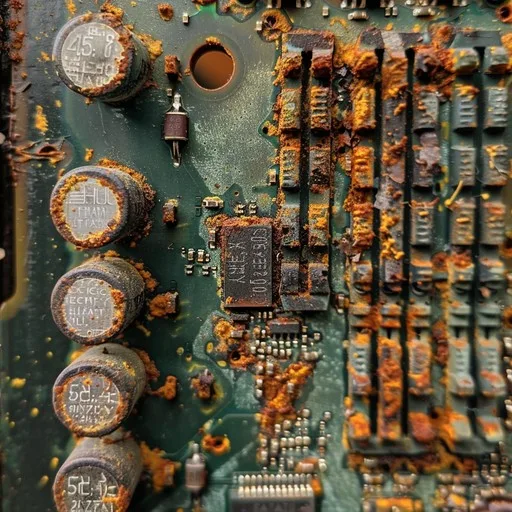
Always check voltage levels before powering up again. A sudden drop suggests hidden shorts. If the motor whines or heats up rapidly, shut it down.
Persistent issues mean professional repair or replacement is necessary. Don’t gamble with damaged lithium batteries.
The Post-Wetness Recovery Protocol (Step-by-Step)
Follow this sequence strictly to minimize damage. Skipping steps compromises the entire recovery effort. We’ve refined this workflow based on common failure patterns reported by users.
- Power Down: Remove batteries or disconnect power sources immediately. Safety first.
- Clear Debris: Empty the hopper and barrel of all gel beads. Swollen beads block airflow.
- External Wipe: Dry the shell, trigger, and seams with a lint-free cloth. Prevent wicking.
- Internal Access: Disassemble the pump/motor unit per manual instructions. Expose seals.
- Air Blowout: Use compressed air to eject water from crevices. Hold nozzle steady.
- Component Check: Inspect O-rings and springs for rust or tears. Replace if flawed.
- Deep Clean: Wash rubber parts with mild soap; rinse with distilled water. No tap minerals.
- Thorough Dry: Air-dry all parts for 24, 72 hours. Use silica gel packs.
- Lubricate: Apply silicone-based grease to pistons and seals only. Avoid petroleum oils.
- Test Fire: Reassemble loosely. Test without beads first to check movement. Then load lightly.
Patience pays off here. Many users skip the drying phase, leading to premature failure. Moisture trapped in gearboxes breeds mold and grinds gears.
Ensure every surface feels bone-dry before touching lubricant.
If you notice persistent stickiness, disassemble again. Residual sugar from burst beads attracts dirt. Clean with isopropyl alcohol (90%+) to dissolve residues safely.
Let evaporate fully before greasing. This step restores smooth operation effectively.
Common Mistakes That Kill Gel Blasters Faster Than Water
Even with good intentions, players often sabotage their own gear. Recognizing these errors helps you avoid costly repairs. Our analysis of support tickets highlights four recurring pitfalls.
First, using hairdryers or heaters to speed up drying. High heat warps plastic housings and melts adhesive bonds. It also dries out rubber seals too fast, causing cracks.
Always opt for ambient air drying. Slow is smooth, and smooth is fast.
Second, applying WD-40 or petroleum-based lubricants. These products degrade TPE and silicone seals over time. They strip existing protective coatings.
Stick exclusively to silicone spray or dedicated toy gun grease. Compatibility matters more than brand recognition.
Third, ignoring minor leaks during initial testing. Users often say, "It shoots fine," despite sputtering. Small air leaks reduce range significantly.
Fixing them early prevents larger structural failures later. Address inefficiencies immediately.
Fourth, storing wet guns in enclosed cases. Trapped humidity accelerates corrosion and mold growth. Always store disassembled and dried units in breathable bags.
Add desiccant packets for extra protection. Ventilation is key to longevity.
Avoiding these mistakes extends the life of your splatter ball gun considerably. Treat maintenance as part of the game, not an afterthought. Consistent care yields consistent performance season after season.
FAQs: Storage, Saltwater, and Warranty Concerns
Can I store my splatter ball gun in a damp basement?
No. Humidity above 60% promotes mold on rubber seals. It also accelerates galvanic corrosion on metal springs.
Store your gear in a climate-controlled room instead. Use silica gel packets inside the carrying case to absorb moisture. This simple step prevents long-term degradation of internal components.
Does saltwater damage differ from freshwater exposure?
Yes, significantly. Salt leaves conductive crystals that attract humidity. These crystals cause rapid pitting on aluminum and steel parts.
Freshwater mainly causes swelling and rust. If exposed to seawater, rinse internals with distilled water immediately. Dry thoroughly before reassembly.
Never skip this rinsing step for coastal play.
Will getting wet void my manufacturer warranty?
Usually, yes. Most brands include liquid damage exclusions. Indicators often change color when submerged.
Check your specific manual for coverage details. Some premium models offer accidental damage protection plans. Standard warranties rarely cover neglect or improper storage.
Assume any water ingress is user-error unless proven otherwise.
How do I prevent beads from sticking after rain?
Residual sugar creates a sticky film. Clean the barrel with warm soapy water weekly. Dry completely before loading new beads.
Avoid leaving loaded magazines in hot cars. Heat expands beads, causing jams. Regular maintenance keeps the feed system smooth.
Inspect the hopper lips for cracks regularly.
Final Recommendation / Verdict / Decision Guide
Treat water as an emergency, not a routine event. Light mist requires immediate external wiping. Heavy soaking demands full disassembly and drying.
Electric models face higher risks than manual ones. Always prioritize battery safety over speed of recovery.
Follow the decision tree based on exposure level. Minor splashes need 24-hour air drying. Submersion requires 72 hours plus lubrication refresh.
Ignoring these timelines leads to premature failure. Your gear’s lifespan depends on post-exposure care.
Keep silicone grease and spare O-rings handy. These small items save expensive repairs later. Verify compatibility with your specific model year.
As of 2026, most generic blasters share similar seal sizes. Invest in quality storage solutions with desiccants. Prevention beats cure every single time.
Stay vigilant during summer storms. Have a towel ready at the field. Quick action minimizes penetration depth.
Don’t let complacency ruin a fun toy. Respect the limits of plastic and rubber. Your attention to detail ensures years of reliable play.

Similar Posts