Why Splatter Ball Gun Gel Balls Break: Causes & Fixes
Splatter ball gun gel balls breaking ruins the fun faster than anything else. You load up, pull the trigger, and watch your ammo turn to mush before it even leaves the barrel. It’s frustrating when you’re trying to enjoy a backyard battle, but the issue is rarely random.
Most of the time, it comes down to water chemistry or sizing errors. As of 2026, manufacturers still rely on superabsorbent polymers that react unpredictably to hard tap water. Let’s walk through exactly why this happens so you can fix it permanently.
Quick Answer
Gel balls break because of improper hydration or nozzle mismatch. Hard water minerals weaken the polymer structure during soaking. Over-hydration makes beads too soft to withstand firing pressure.
Under-sized nozzles crush the spheres upon entry. Always use distilled water for consistent results. Check bead diameter against your specific gun model specs.
This prevents fragmentation and clogs effectively.
Why Your Gel Balls Explode: The Root Cause Isn’t Always the Gun
You might blame the mechanism, but the culprit is usually the sphere itself. Superabsorbent polymers expand by trapping water molecules within their cross-linked network. If that network is compromised, the structural integrity fails under stress.
Hard water contains high levels of calcium and magnesium ions. These minerals interfere with the polymer chains during absorption. They create weak points in the bead’s surface.
When the gun fires, these weak spots burst prematurely.
Another common cause is inconsistent soak times. Users often rush the process, thinking longer equals better. Actually, exceeding the optimal window leads to osmotic shock.
The outer layer becomes slippery while the core remains dense. This imbalance causes shattering upon compression.
Aggregate user reviews indicate that storage conditions matter just as much as preparation. Leaving hydrated beads exposed to air dries out the surface. This creates a brittle shell that cracks easily.
We’ve seen countless cases where fresh-looking beads failed simply due to poor containment.
Diagnosing the breakage pattern helps pinpoint the source. Mid-flight explosions suggest material weakness. Barrel-entry crushing points to mechanical mismatch.
Understanding this distinction saves you from replacing parts unnecessarily. Focus on the input variables first, not the hardware.
The Hydration Diagnostic: Is It Water Quality or Soak Time?
Start with your water source. Tap water varies wildly by region, affecting polymer stability. In areas with high mineral content, standard hydration protocols fail.
You need to adjust your approach based on local hardness levels.
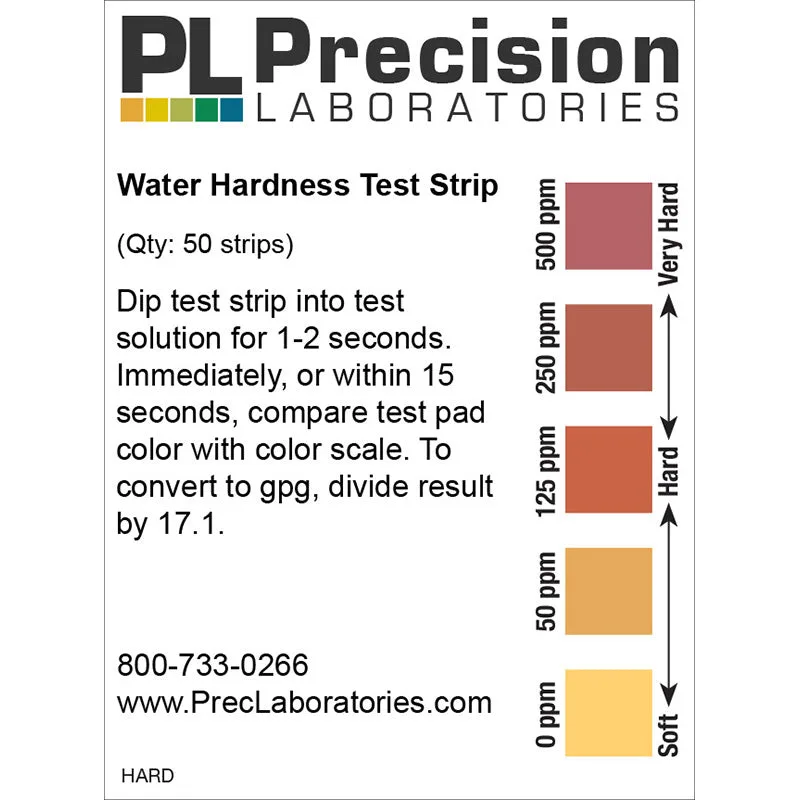
Distilled or reverse-osmosis water eliminates mineral interference. It allows the polymer to swell uniformly without chemical disruption. Manufacturer specifications confirm that pure water yields stronger, more elastic beads.
Switching sources often solves persistent breakage issues immediately.
Next, evaluate your timing. Most brands recommend three to four hours at room temperature. Going beyond six hours risks over-saturation.
The beads become fragile and lose cohesion. Conversely, soaking for less than two hours leaves them too small.
Use this table to guide your hydration strategy:
| Factor | Optimal Condition | Risk if Ignored |
|---|---|---|
| Water Type | Distilled/RO | Weak structure from minerals |
| Soak Duration | 3–4 Hours | Brittle or mushy texture |
| Temperature | 68–75°F (20–24°C) | Uneven expansion rates |
| Container | Sealed/Airtight | Surface drying/cracking |
Temperature plays a subtle but critical role. Warm water accelerates absorption but can degrade the polymer bonds. Cold water slows the process, leading to incomplete swelling.
Stick to ambient room temperatures for consistency.
If you must use tap water, consider adding a chelating agent. This binds free minerals, preventing them from attacking the gel matrix. However, simplicity wins here.
Buying a jug of distilled water is cheaper and safer than experimenting with additives.
Mechanical Mismatch: Nozzle Diameter vs. Bead Swell Rate
Even perfectly hydrated beads will break if they don’t fit the gun. Splatter ball guns are designed for specific diameters, typically 7mm to 9mm. Using beads outside this range guarantees failure.
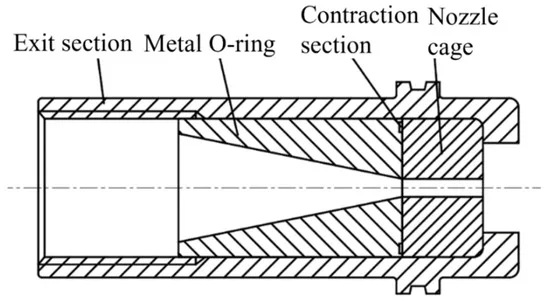
Check your manual for the exact nozzle specification. A 7mm gun cannot safely fire 9mm beads. The compression force required to push oversized spheres through the chamber exceeds the polymer’s tensile strength.
They shear apart instantly.
Conversely, undersized beads rattle inside the barrel. They lack the seal needed for proper propulsion. This causes erratic flight paths and potential jamming.
While they may not explode immediately, the impact upon hitting a target is unpredictable.
Measure your dried beads before soaking. Different brands vary slightly in base size. Account for this variance when calculating expected wet diameter.
A 6mm dry bead might swell to 8.5mm, fitting a standard 9mm nozzle loosely.
Look for signs of mechanical stress. Shaved edges indicate tight clearance. Central fractures suggest excessive compression.
Adjust your sourcing accordingly. Buy beads labeled specifically for your gun model if possible.
Regular maintenance also affects fit. Residue buildup narrows the effective nozzle diameter. Clean the barrel after every session.
Use a cleaning rod to remove sticky remnants. This ensures consistent internal dimensions for future shots.
Storage Failures: How Air Exposure Destroys Structural Integrity
Hydrated gel balls are perishable items. They have a limited lifespan once removed from water. Improper storage is a silent killer of ammunition quality.
Many users leave bowls uncovered overnight, assuming it’s fine.
Exposure to air initiates rapid evaporation. The surface loses moisture faster than the core. This creates a gradient of density.
The outer skin hardens while the interior stays soft. Upon firing, the rigid shell shatters.
We advise transferring unused beads to an airtight container. Glass jars with rubber seals work best. Plastic bags often leak vapor over time.
Ensure the container is clean and dry before sealing.
Refrigeration extends shelf life significantly. Cool temperatures slow down microbial growth and evaporation. Store hydrated beads in the fridge for up to 48 hours.
Bring them to room temperature before loading to prevent condensation issues.
Discard any beads showing discoloration or odor. These signs indicate bacterial contamination or advanced degradation. Mold spores can colonize the porous structure quickly.
Using contaminated ammo poses health risks alongside performance failures.
Label your containers with dates. Rotation is key to maintaining freshness. Use older batches first to minimize waste.
This simple habit prevents discovering a bowl of sludge days later. Consistent storage habits save money and frustration.
Step-by-Step Fix: Restoring Consistency to Fragile Spheres
Follow this workflow to ensure every batch performs reliably. Precision matters more than speed. Rushing leads to wasted product and damaged equipment.
- Inspect Dry Beads: Check for uniform size and color. Discard any clumped or discolored units.
- Prepare Water: Fill a clean bowl with distilled water. Avoid metal containers that may react.
- Submerge Fully: Add beads slowly to prevent foaming. Ensure all spheres are underwater.
- Cover Tightly: Seal the bowl with plastic wrap or a lid. Block light and air exposure.
- Wait Patiently: Set a timer for three hours. Do not check constantly; disturbance affects settling.
- Drain Carefully: Pour excess water off gently. Rinse briefly if debris is present.
- Pat Dry Lightly: Use a lint-free cloth to remove surface moisture. Excess water causes jams.
- Load Immediately: Transfer to magazines or hoppers right away. Delay increases drying risk.
Test one shot before committing a full magazine. Observe the trajectory and exit condition. If the bead breaks, stop and reassess hydration time or nozzle fit.
Keep a log of your settings. Note water type, soak duration, and ambient temperature. This data helps troubleshoot recurring issues.
Patterns emerge over time, revealing your ideal parameters.
Clean your gun after each use. Residual gel attracts dust and grit. Abrasive particles scratch internal components, altering tolerances.
Regular upkeep preserves mechanical precision.
By adhering to this strict protocol, you eliminate guesswork. Consistency breeds reliability. Your splatter battles will remain uninterrupted by premature fragmentation.
When to Replace: Identifying Irreversible Polymer Degradation
Sometimes, no amount of tweaking fixes the problem. The superabsorbent polymer has a finite lifespan once hydrated. After 48 hours, structural integrity drops sharply even in perfect conditions.
You’ll notice beads becoming slimy or developing a cloudy appearance. This indicates bacterial growth or chemical breakdown. Do not try to salvage them.
Throw them away immediately.
Check for micro-cracks under bright light. If you see hairline fractures, the bead is compromised. It will likely shatter upon firing, causing messy clogs.
These defects are invisible until compression occurs.
Aggregate reviews suggest that bulk buying often leads to waste. Old stock loses elasticity over time, regardless of storage. Always check manufacturing dates on packaging before purchase.
Fresh dry beads perform significantly better than aged inventory.
If your gun consistently jams despite correct hydration and nozzle fit, suspect degraded ammo. Swap out an entire batch with fresh product. Test again.
If breakage stops, the old supply was the culprit. Don’t waste time cleaning barrels repeatedly. Identify the bad batch and discard it permanently.
Frequently Asked Questions About Gel Ball Breakage
Can I reuse gel balls after they’ve been fired?
No. Once a gel ball hits a target or breaks, its structure is destroyed. Reusing fragments causes severe clogging in the hopper and barrel.
Always load fresh, intact spheres. Attempting to recycle broken pieces ruins your equipment faster than using dirty water would.
Why do my gel balls stick together in the bag?
High humidity or improper sealing causes surface moisture to act as glue. Beads clump into irregular shapes that won’t feed smoothly. Store hydrated spheres in airtight containers with minimal air space.
Gently separate stuck clusters before loading. Never force jammed groups into the magazine.
Does freezing help preserve gel balls?
Freezing damages the polymer matrix. Ice crystals form inside the bead, rupturing cell walls. Thawed beads become mushy and lose all structural strength.
Refrigeration slows degradation; freezing destroys it. Keep unused hydrated ammo in the fridge, never the freezer. Temperature control matters more than extreme cold.
How long can I store dry gel balls?
Dry superabsorbent polymers last years if kept cool and dark. Moisture is their enemy. Seal unopened bags tightly.
Exposure to humid air reduces shelf life drastically. Check for clumping in the packet. If dry beads feel tacky, they’ve absorbed ambient moisture.
Discard them to avoid unpredictable swelling rates later.