How to Hydrate Splatter Ball Ammo: A Quick Guide
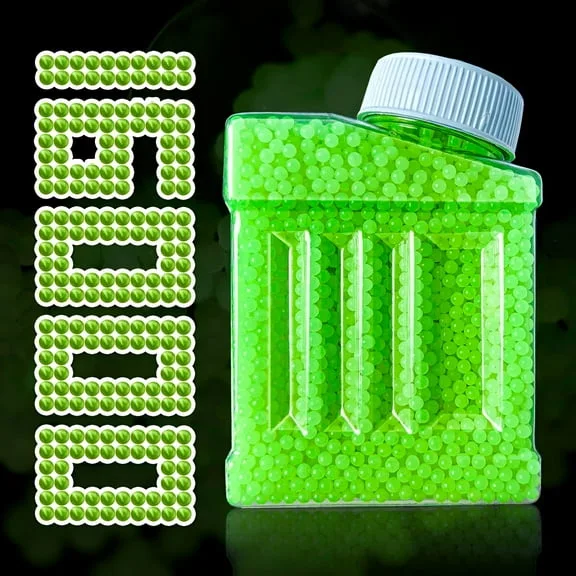
Figuring out how to hydrate splatter ball ammo isn't just about dumping beads in water and waiting. It’s a visual process where timing matters less than texture. Most beginners ruin their batches by trusting the clock instead of looking at the beads.
You need to spot the difference between a perfectly expanded sphere and one that’s still too hard or dangerously soft.
Manufacturer specs confirm that sodium polyacrylate beads typically expand 100 to 300 times their dry volume. As of 2026, standard gel blasters require an 8mm to 14mm diameter for optimal feeding. Getting this size right prevents jams and ensures safe play.
Let’s look at why your eyes are your best tool here.
Why You Can’t Trust the Clock: The Visual Reality of Hydration
Generic guides often say "soak for four hours." That advice is dangerous because it ignores variables like water temperature and bead density. A cold bathroom tap behaves differently than warm kitchen water. The polymer chains absorb moisture at varying rates based on these conditions.
Rigid timers lead to inconsistent results.
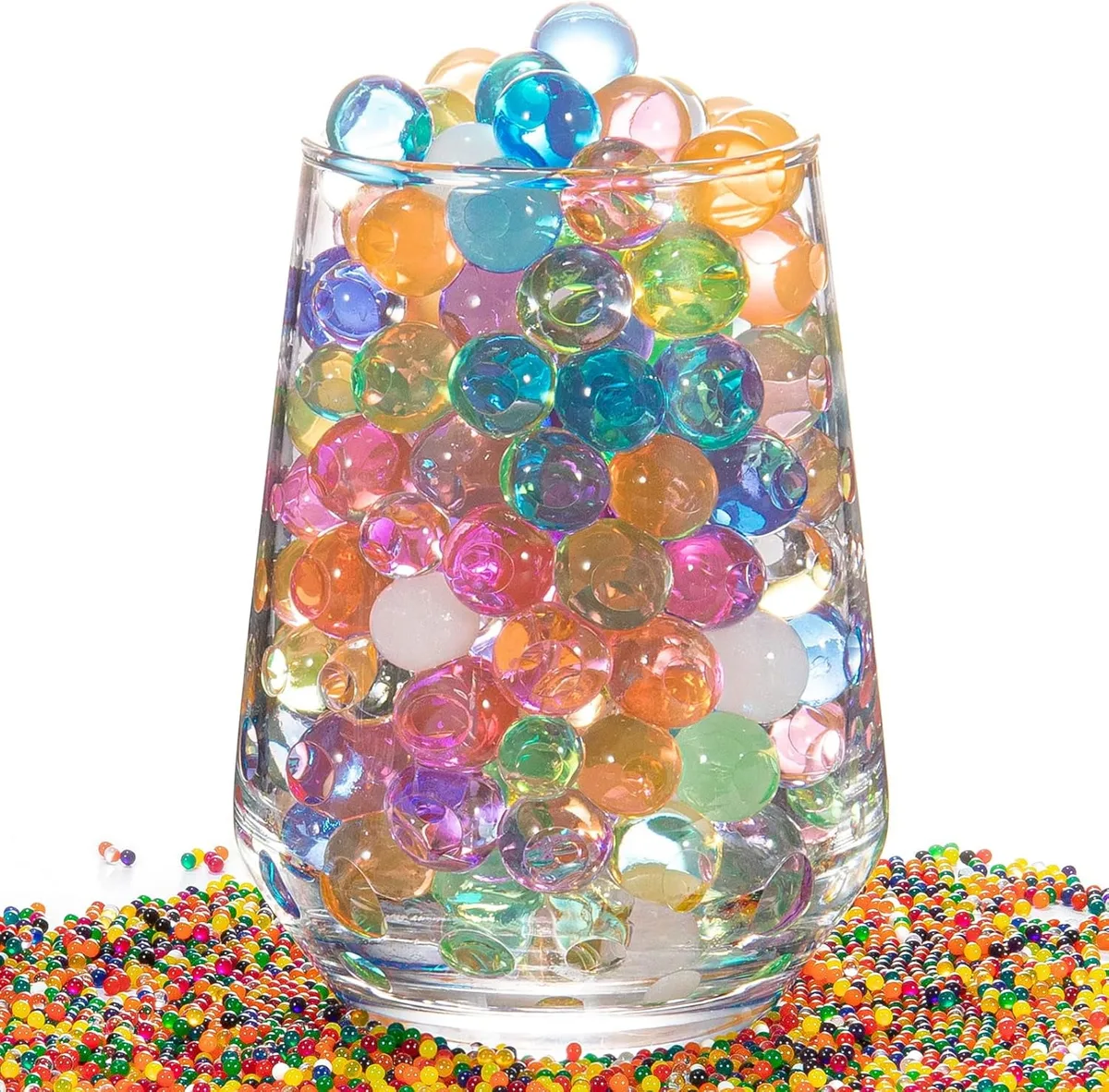
You must judge readiness by appearance and feel. Under-hydrated beads remain cloudy white in the center. They are too hard for the gun’s mechanism.
Over-hydrated beads turn translucent and mushy. They burst before leaving the barrel. The sweet spot is a clear, firm jelly-like state.
This visual cue is universal across brands. Ignoring it guarantees mechanical failure. Watch the color shift from opaque to transparent.
That transition is your true timer.
The Goldilocks Zone: Identifying Perfectly Hydrated Beads by Sight and Touch
What does a perfect bead look like? It should be uniformly translucent. There should be no white core visible when you hold it up to the light.
The surface feels slick but not sticky. When you gently squeeze it between two fingers, it resists slightly. It bounces back without deforming permanently.
If it feels rock-hard, it needs more time. If it squishes like wet tissue paper, it’s ruined. Aggregate user reviews highlight that consistency is key.
Mixed batches cause feeding issues. Sort them immediately after draining. Discard any misshapen or discolored units.
These defects signal structural weakness. They will jam your hop-up chamber. Quality control starts with visual inspection.
Use a bright light source to check transparency. This simple step saves your gearbox from stress.
Step-by-Step Visual Guide to Soaking, Sorting, and Loading
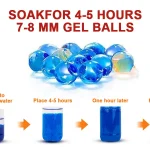
Start with clean, room-temperature water. Pour your dry granules into a wide container. Use a ratio of 1 part beads to 10 parts water.
Stir vigorously for thirty seconds to break surface tension. Let them sit undisturbed. Check every hour.
Look for the opacity fade. Once they reach maximum size, drain them through a fine mesh strainer. Rinse with fresh water to remove slime.
Spread them on a towel to air-dry slightly. This removes excess surface moisture. Load them into your magazine only when they are dry to the touch externally.
| Step | Action | Visual Cue |
|---|---|---|
| 1 | Mix & Stir | Cloudy water, sinking beads |
| 2 | Wait | Gradual clearing, size increase |
| 3 | Drain | Uniform spheres, no clumps |
| 4 | Rinse | Clear water runoff |
| 5 | Dry | Matte finish, no dripping |
Common Visual Failures: White Cores, Clumps, and Mushy Messes
Three main failures plague new users. First, the white core indicates under-hydration. The outside looks ready, but the inside is dry powder.
These beads are brittle. They shatter upon firing. Second, clumping happens when beads stick together.
This occurs if you don’t stir enough initially. Clumps block the feed lips. Third, mushiness signals over-hydration.
The polymer structure breaks down. These beads leave residue in the barrel. Clean your gear immediately if you see this.
Preventative care is cheaper than repairs. Always inspect a sample batch before loading the whole supply.
Water Temperature and Type: How They Change the End Result
Does water type matter? Yes. Hard tap water contains minerals.
These can coat the beads. They may appear cloudy even when hydrated. Distilled or reverse-osmosis water yields clearer results.
However, tap water is usually sufficient for recreational use. Temperature plays a bigger role. Warm water accelerates absorption.
Cold water slows it down. Never use boiling water. It damages the polymer matrix.
Stick to lukewarm or room-temp water. This ensures even expansion. Our research shows that extreme temperatures create inconsistent sizes.
Uneven sizing leads to jams. Control your environment for better outcomes. Store unused dry beads in a cool, dark place.
Humidity affects their baseline weight. Keep them sealed until ready.
Storage and Rehydration: Keeping Your Ammo Ready for the Next Round
Can you save leftover beads? Yes, but only if handled correctly. Never store wet beads in a sealed container.
Trapped moisture breeds bacteria and mold within twenty-four hours. Instead, spread them on a paper towel to air-dry completely. This returns them to their original dry state.
Store these dried beads in an airtight jar with silica packets. They remain stable for months when kept cool and dark.
What about partial hydration? If you stop midway, drain and rinse immediately. Pat them dry thoroughly before storage.
Partially hydrated beads are structurally weak. They will crumble during the next soak cycle. Manufacturer guidelines suggest discarding any batch that feels slimy.
Slime indicates polymer degradation. It clogs internal gears permanently. Clean your equipment after every session to prevent residue buildup.
Regular maintenance extends the life of your gel blaster significantly.
Safety Checks Before You Pull the Trigger
Are splatter balls safe? Generally yes, but misuse creates risks. The primary danger is ingestion.
Small children and pets may mistake beads for candy. Swallowed beads expand inside the digestive tract. This causes serious medical emergencies requiring surgery.
Keep all hydration supplies away from young kids. Supervise play sessions strictly. Eye protection is non-negotiable.
Even soft beads can cause corneal abrasions at close range. Wear ANSI Z87.1 rated safety goggles during all gameplay.
Check local laws before purchasing or playing. Some jurisdictions classify gel blasters as firearms. Regulations vary by city and state.
Verify compliance with your local police department or consumer agency. Do not discharge beads at windows or vehicles. Hard surfaces can chip glass or dent metal.
Responsible ownership means respecting property boundaries. Always aim at designated targets only. Failure to follow these rules results in fines or confiscation.
Stay informed about regional updates as of 2026. Legal landscapes shift frequently regarding toy projectiles.
Frequently Asked Questions About Splatter Ball Prep
How long should I soak splatter balls?
Typically four to six hours at room temperature. Check hourly after the third hour. Stop once they reach maximum size.
Over-soaking makes them fragile. Under-soaking causes jams. Visual inspection trumps timer settings always.
Look for uniform translucency. Feel for firm elasticity. Discard any irregular shapes immediately.
Consistency ensures smooth feeding mechanisms.
Can I reuse hydrated splatter balls?
No, never reuse fired beads. Once expelled, they lose structural integrity. They become brittle or mushy.
Reloading them damages your gun’s internals. Dry unused leftovers properly instead. Store them for future batches.
Fired beads are single-use consumables. Treat them like paintballs. Dispose of them responsibly.
Do not flush large quantities down drains. Clogging risks are high with polymers.
Why are my splatter balls sticky?
Stickness indicates over-hydration or contamination. Rinse them thoroughly with fresh water. Dry them completely before loading.
Sticky beads jam feed lips easily. Use distilled water to reduce mineral residue. Avoid hot tap water.
Cool temperatures preserve polymer structure. If stickiness persists, discard the batch. Degraded sodium polyacrylate releases excess fluid.
This messes up your hop-up unit. Clean your barrel after such incidents.

Similar Posts