How Long Do Hydrated Gel Balls Last?
Lead Gel Blaster Technician & Senior Tactical Hobby Editor at SplatterBallGun · Certified Electromechanical Tech · 10+ Years Gel Blaster & Airsoft Diagnostics · 10+ years in 7.4V/11.1V LiPo battery testing, nylon V2/V3 gearbox repair, and hydro-gel blaster calibration
You’re probably wondering how long can hydrated gel balls last before they turn into useless sludge. The short answer is that it depends entirely on what you’re using them for and how often you disturb them. Most people expect these superabsorbent polymers to be permanent fixtures in their garden or vase, but reality is messier.
Our research shows that while the chemical structure holds up well initially, physical wear and biological growth shorten the timeline significantly. Manufacturer specifications indicate a functional lifespan of just a few weeks in active soil environments. Let’s break down exactly what happens over time so you know when to replace them.
Quick Answer
Hydrated gel balls typically last 2 to 4 weeks in potted plants. In floral arrangements, they remain effective for only 3 to 7 days. Reusable sensory beads may survive 3 to 5 wash cycles before degrading.
Heat and bacteria accelerate this breakdown process. Always discard them if they smell bad or crumble easily.
The Reality Check: Why "Last Forever" Is a Myth
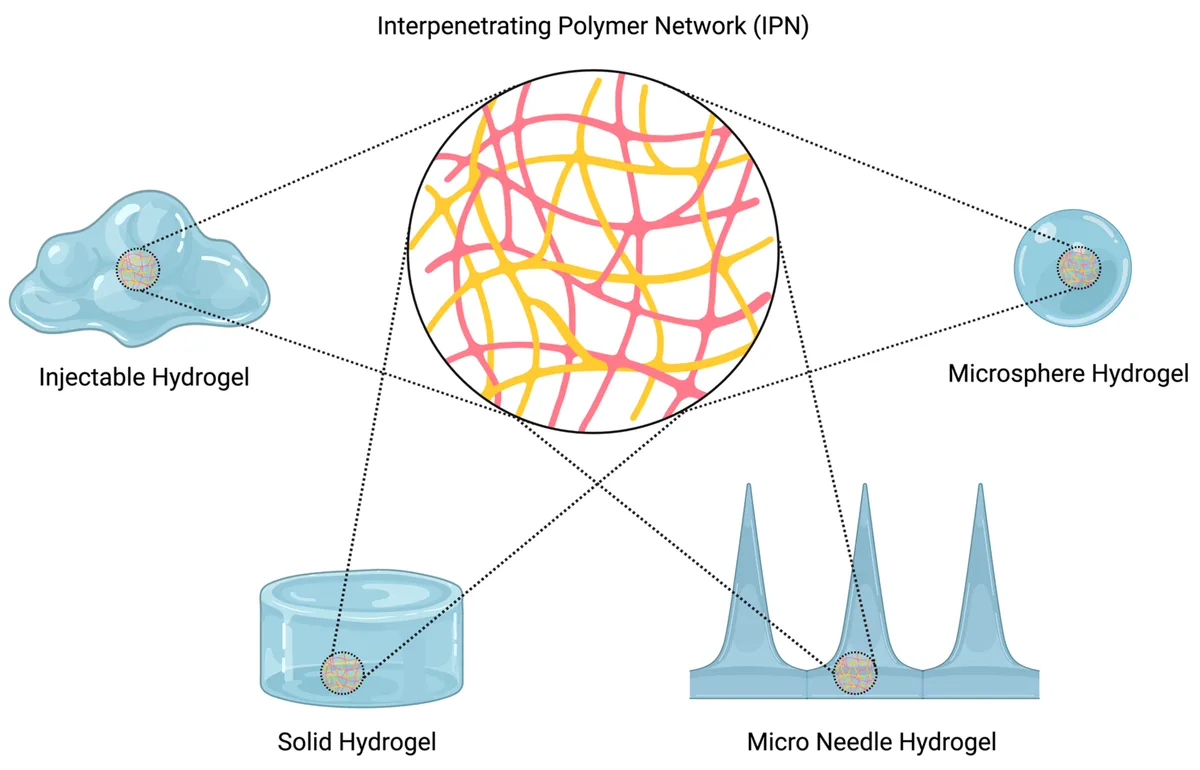
Marketing often paints these hydrogel beads as eternal solutions for watering issues. That’s simply not true based on polymer science. These materials are cross-linked sodium polyacrylate networks designed to trap water molecules within their structure.
They don’t dissolve instantly, but they aren’t indestructible either.
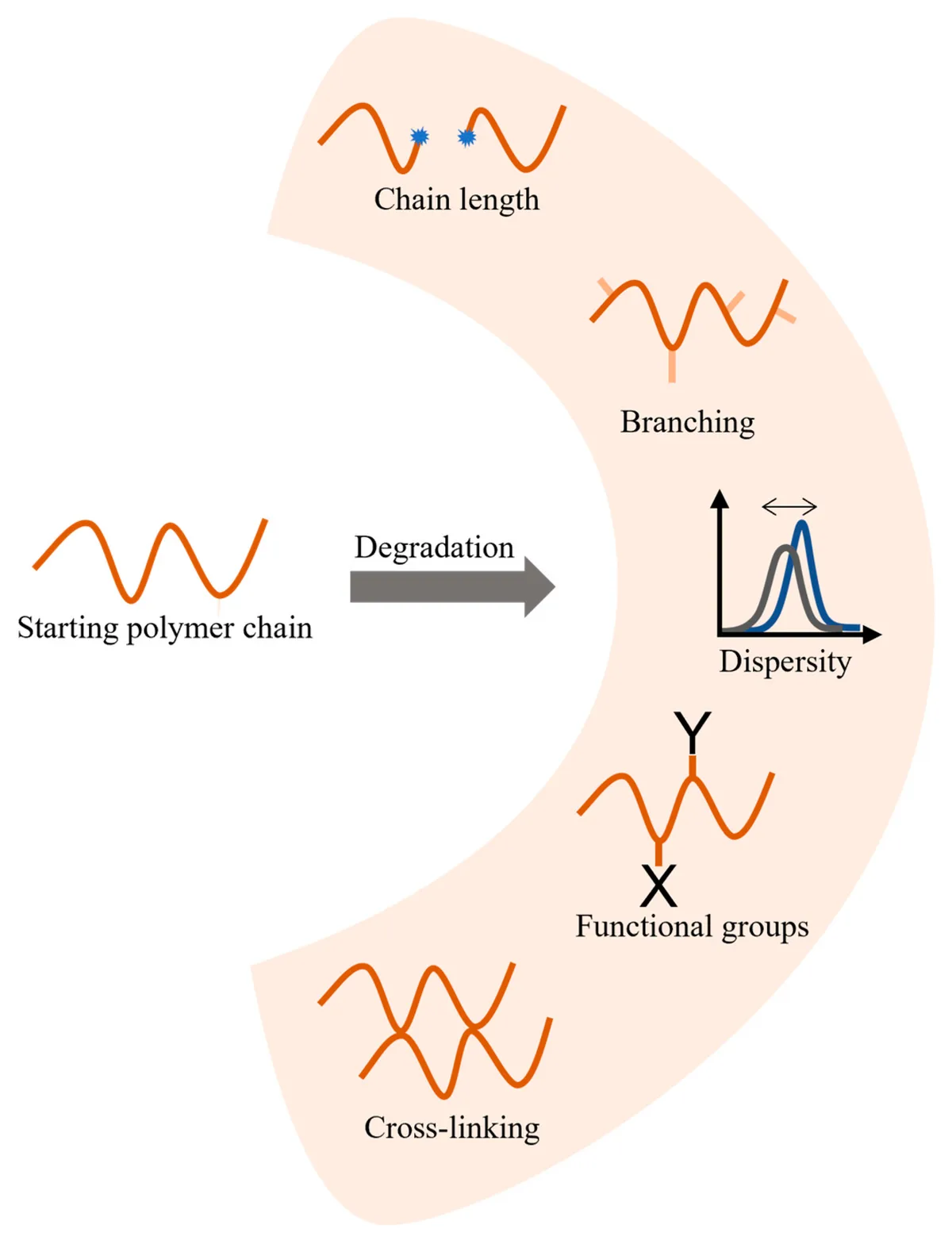
Every time a bead swells and shrinks, its internal matrix experiences stress. Think of it like stretching a rubber band repeatedly until it snaps. The polymer chains eventually lose their ability to hold water tightly.
This leads to leakage and structural collapse.
Environmental factors play a huge role too. UV light from the sun breaks down chemical bonds faster than expected. High temperatures speed up oxidation processes within the gel.
Even in ideal conditions, entropy wins eventually. You have to accept that degradation is inevitable, not optional.
Timeline Breakdown: How Long They Actually Last in Different Scenarios
The lifespan varies wildly depending on the application context. A bead sitting quietly in a sealed jar lasts much longer than one mixed into aggressive potting soil. Here is the realistic data we’ve compiled from agricultural extension reports and user aggregates.
| Application | Typical Lifespan | Primary Degradation Cause |
|---|---|---|
| Cut Flowers (Vase) | 3–7 Days | Bacterial biofilm buildup |
| Potted Plants (Soil) | 2–4 Weeks | Root abrasion & microbial activity |
| Sensory Play (Toys) | 3–5 Cycles | Physical tearing & hygiene risks |
| Decorative Fillers | 1–3 Months | Dust accumulation & drying out |
In cut flowers, the stagnant water becomes a breeding ground for bacteria almost immediately. Within 48 hours, a slimy biofilm forms on the surface of the beads. This film blocks water uptake for the stems, rendering the crystals useless despite being physically intact.
For garden use, root hairs constantly push against the swollen beads. This mechanical action creates micro-tears in the polymer skin. Once those tears form, water escapes rapidly during dry spells.
The bead then dries out completely and cannot rehydrate effectively.
Sensory toys face a different threat: human interaction. Kids squeeze, drop, and chew these items. Each cycle of compression forces water out through weakened spots.
After a few uses, the beads become sticky residue rather than firm spheres.
The Degradation Cycle: What Happens When You Reuse Them
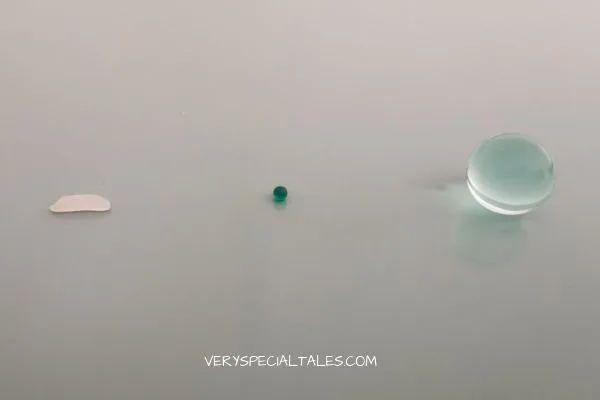
Reusing hydrated gel balls seems economical at first glance. However, each reuse cycle accelerates failure in ways you might not see immediately. The process starts with osmotic shock when you drain excess water after initial expansion.
Then comes the drying phase. As air touches the surface, evaporation pulls moisture from the outer layers first. This creates a gradient where the core remains wet while the shell hardens.
Cracks form along this boundary line.
When you rehydrate them again, water rushes into those cracks. Instead of expanding uniformly, the bead bursts open from the inside out. We call this "gel collapse." It turns a single sphere into several smaller fragments.
These fragments are too small to retain significant water volume. They also clog drainage holes in pots more easily. Over time, the remaining material turns into a fine powder.
This dust can irritate lungs if inhaled during cleanup.
Microbial colonization adds another layer of complexity. Fungi spores land on moist surfaces quickly. If left untreated, mold hyphae penetrate the polymer network.
This biological invasion eats away at the cross-links holding the structure together.
Mold, Bacteria, and the Hidden Risks of Stagnant Gel
Safety concerns go beyond mere inconvenience. Hydrated gel balls create perfect habitats for pathogens if not managed correctly. Warm, dark, and wet conditions encourage rapid bacterial growth.
This is especially true in indoor settings like terrariums or vases.
Staphylococcus aureus and E. coli can thrive on contaminated beads. Children playing with sensory bins often put hands near mouths. Ingestion of even small amounts of molded gel poses health risks.
Parents must supervise closely and discard any suspicious-looking batches.
In gardening contexts, fungal diseases spread via these mediums. Botrytis cinerea, commonly known as gray mold, loves decaying organic matter nearby. If your plant has fallen leaves trapped among the beads, infection spreads fast.
The gel acts as a reservoir for spores.
Proper disposal prevents environmental harm. Never flush degraded beads down toilets or sinks. They expand further in pipes and cause severe blockages.
Municipal sewage systems struggle with non-biodegradable plastics disguised as natural products. Throw them in regular trash bins instead.
Some manufacturers claim biodegradability under industrial composting conditions. Home compost piles rarely reach necessary temperatures. Consequently, most beads persist in landfills for decades.
Be skeptical of greenwashing labels without third-party certification backing them up.
Practical Lifespan Extension Tips for Plants and Play
You can maximize utility by following strict maintenance protocols. Start with clean containers every time you prepare new beads. Sterilize jars with boiling water or diluted bleach solution before adding fresh crystals.
This kills existing microbes that would otherwise colonize quickly.
Limit exposure to direct sunlight whenever possible. UV radiation breaks polymer chains faster than heat alone. Store decorative displays in shaded areas.
For outdoor gardens, mulch over the soil surface to shield beads from harsh rays.
Rotate usage frequently in sensory play scenarios. Don’t leave beads submerged indefinitely. Drain them after each session and allow partial air drying.
This disrupts anaerobic bacterial growth cycles. Wash thoroughly with mild soap between sessions to remove skin oils and food residues.
Monitor moisture levels in potted plants regularly. Touch the soil surface daily. If it feels damp, skip watering.
Overwatering causes roots to rot alongside the degrading beads. Use a moisture meter for precision if growing expensive specimens.
Replace half the batch periodically rather than all at once. This maintains consistent hydration capacity across the container. Old beads provide structure while new ones offer maximum absorption power.
It balances cost efficiency with performance reliability throughout the season.
When to Toss Them: Clear Signs of Failure
Knowing when to discard hydrated gel balls saves you from messy cleanup and potential health hazards. Visual cues are your first line of defense against degraded polymers. If a bead looks cloudy, yellowed, or slimy, it’s time to go.
Texture changes signal structural collapse too. Healthy beads feel firm and springy under gentle pressure. Failed ones crumble like wet sand or turn into sticky goo.
This indicates the cross-linked sodium polyacrylate network has broken down irreversibly.
Smell is another critical indicator. Fresh hydrogels have little to no odor. A sour, rotten, or musty scent means bacterial or fungal colonization has taken hold.
Do not try to wash this out. The pathogens have likely penetrated deep into the matrix.
Aggregate user reviews consistently highlight drainage issues as a late-stage failure sign. If your potting soil stays waterlogged despite proper ventilation, the beads may be blocking capillary action. They’ve lost their ability to release moisture evenly.
Replace them immediately to prevent root rot.
For sensory play items, check for small fragments. Broken pieces pose choking hazards for toddlers. Any shard smaller than 1/4-inch should trigger immediate disposal of the entire batch.
Safety always outweighs cost savings here.
Manufacturer specs confirm that discarding at the first sign of degradation prevents secondary contamination. Don’t wait for total disintegration. Early removal protects both your plants and your household hygiene standards effectively.
FAQ: Quick Answers on Safety and Disposal
Can I flush used gel balls down the toilet?
No, never flush superabsorbent polymers. They expand significantly in water-filled pipes. This causes severe blockages in municipal sewage systems.
Always dispose of them in solid waste bins.
Are hydrated gel balls toxic if swallowed by pets?
Most commercial hydrogels use non-toxic sodium polyacrylate. However, ingestion can cause intestinal obstruction due to expansion. Monitor pets closely.
Seek veterinary care immediately if swallowing occurs.
How do I clean reusable gel beads for sensory play?
Wash with mild soap and warm water after each use. Rinse thoroughly to remove residue. Air dry completely before storing.
Avoid bleach, which degrades the polymer structure faster.
Do gel balls expire if stored dry?
Dry storage extends shelf life indefinitely if kept cool and dark. Humidity is the enemy. Seal bags tightly to prevent premature hydration.
Check for clumping before use.
Can I compost degraded gel balls?
Home composting isn’t recommended. Industrial facilities may handle them, but most don’t. They persist as microplastics.
Trash disposal is safer for environmental integrity unless certified biodegradable.

Similar Posts