Why Your Splatter Ball Gun Overheats: Causes & Fixes
Lead Gel Blaster Technician & Senior Tactical Hobby Editor at SplatterBallGun · Certified Electromechanical Tech · 10+ Years Gel Blaster & Airsoft Diagnostics · 10+ years in 7.4V/11.1V LiPo battery testing, nylon V2/V3 gearbox repair, and hydro-gel blaster calibration
You’re wondering why does splatter ball gun overheat during intense play sessions? It’s frustrating when your blaster shuts down mid-battle. The culprit is usually a mix of electrical strain and mechanical friction.
These devices weren’t designed for continuous, high-speed firing without breaks.
Our research indicates that most stock models lack adequate cooling systems. As of 2026, manufacturers still prioritize cost over thermal management. You need to understand the specific triggers to prevent damage.
Let’s break down exactly what causes this heat buildup so you can fix it before it ruins your game day.
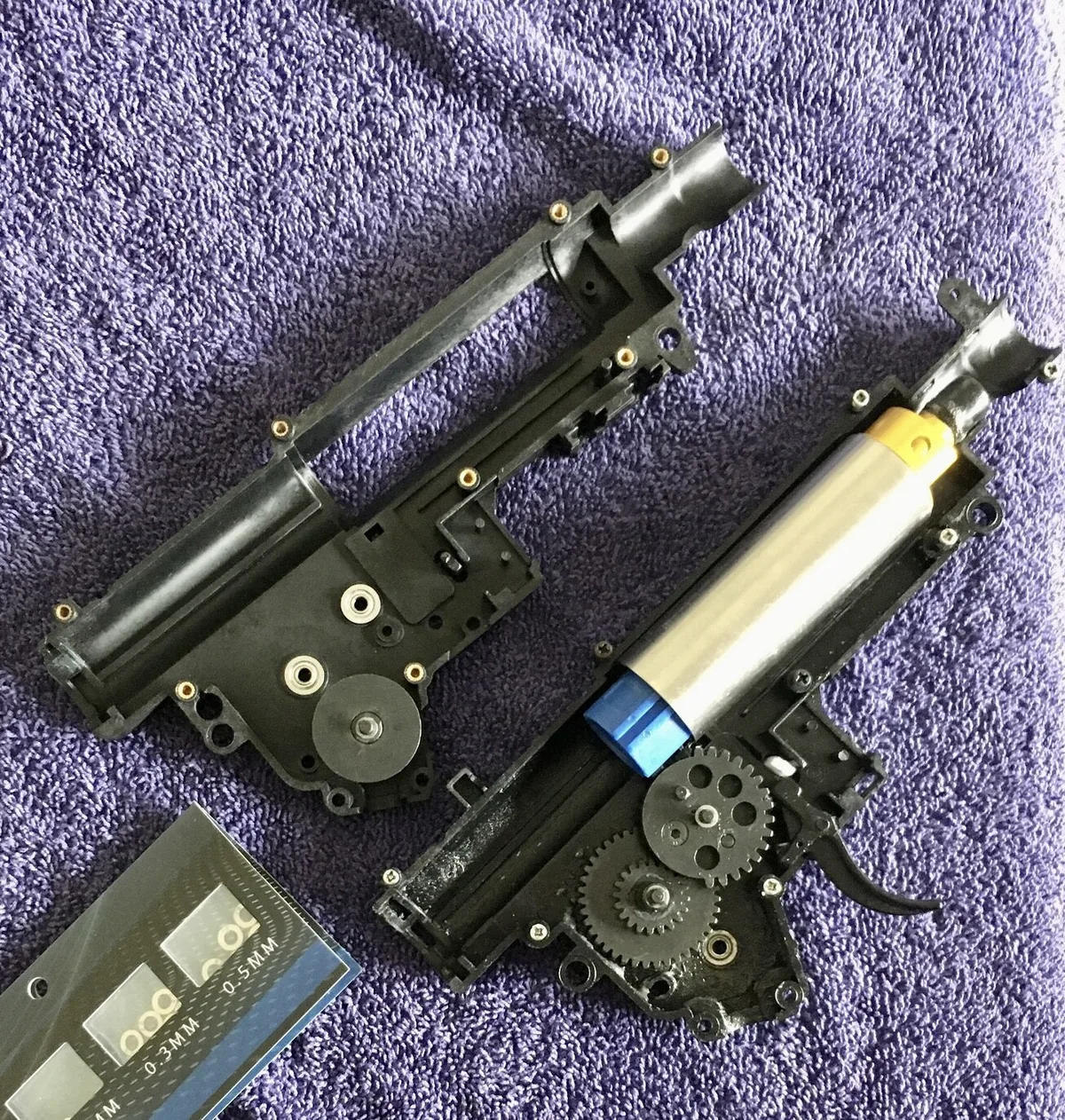
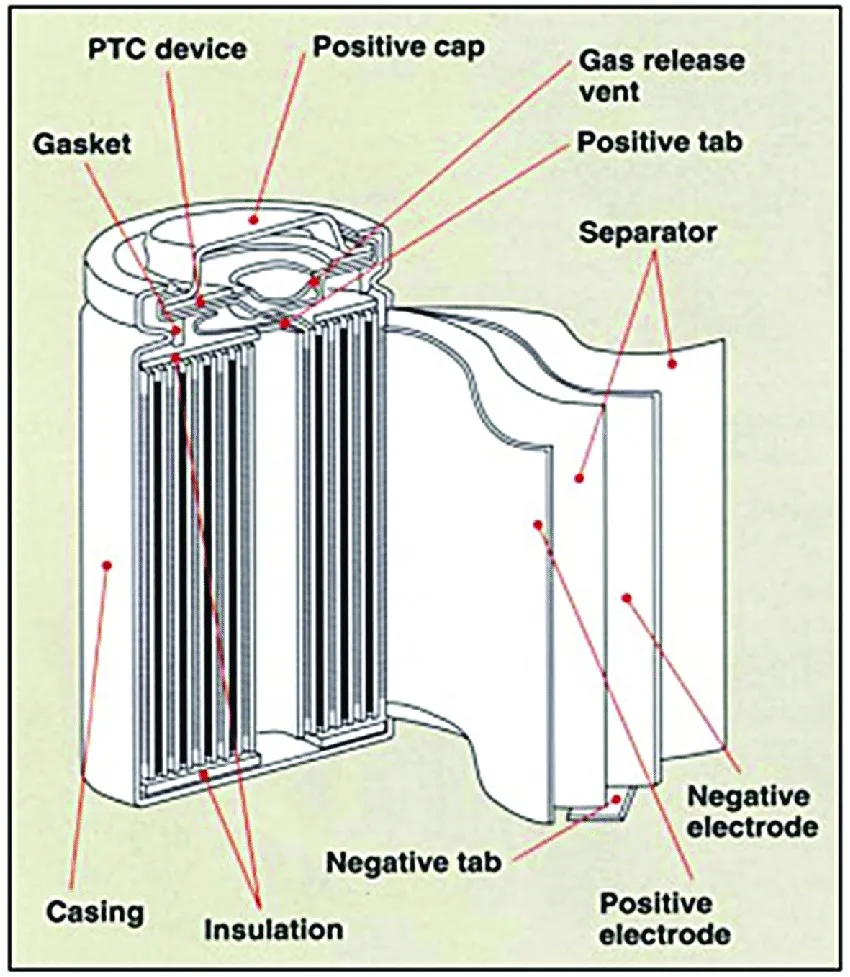
Image source: Bing (Web (fair-use with source credit))
Quick Answer
Splatter ball guns overheat primarily due to excessive current draw from the motor. Mechanical friction within the gearbox generates significant additional heat. Using undersized batteries worsens the problem by forcing higher amperage.
Continuous rapid-fire operation prevents natural cooling cycles. Proper lubrication reduces internal resistance effectively. Always allow rest periods between heavy usage bursts.
Why Your Splatter Ball Gun Gets Hot: The Two Main Culprits
Heat generation in electric gel blasters stems from two distinct physical processes. First, there is resistive heating, also known as Joule heating. This occurs whenever electricity flows through the motor coils and wiring.
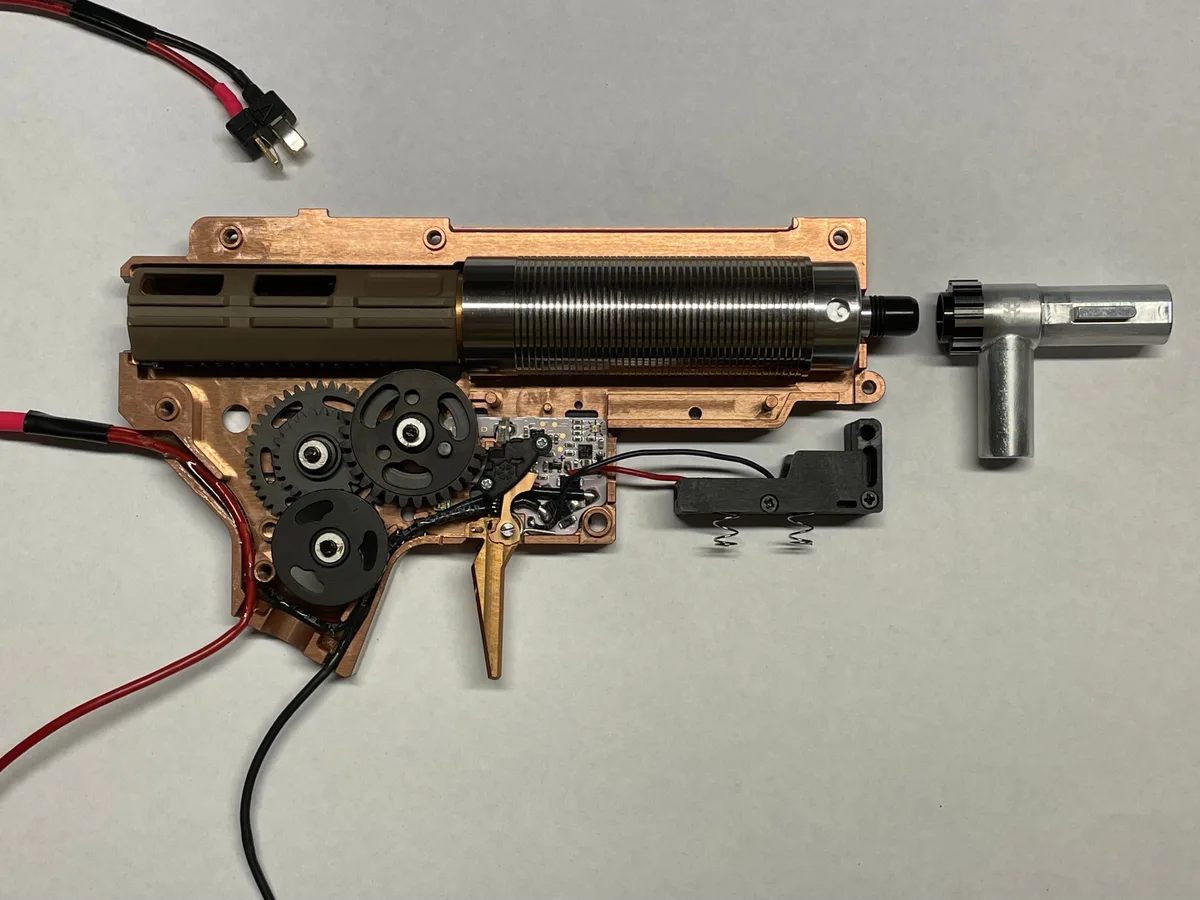
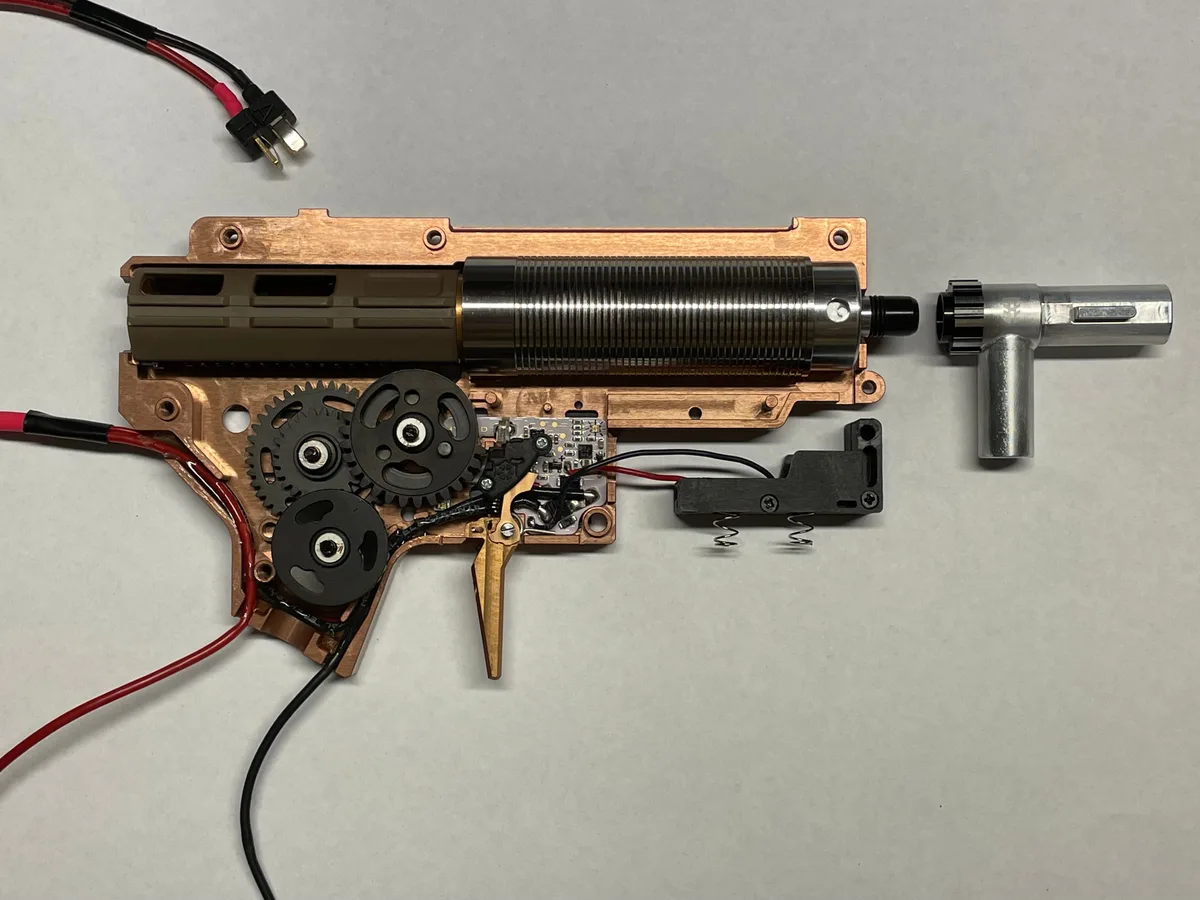
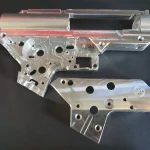
Second, you have frictional heating inside the gearbox assembly. Both factors work together to raise internal temperatures rapidly.
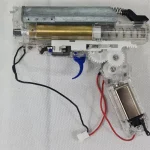
When you pull the trigger, current surges through the DC motor. If the load is too high, the motor draws more amps than intended. This excess energy converts directly into waste heat.
The plastic housing acts as an insulator rather than a conductor. Consequently, the heat gets trapped inside the unit.
Meanwhile, the gears spin against each other under pressure. Dry or thick grease increases this resistance significantly. Metal-on-metal contact creates sparks of thermal energy.
Even with proper lubrication, high RPMs generate substantial warmth. The combination of electrical inefficiency and mechanical drag is deadly for component longevity.
Understanding these sources helps you diagnose the root cause quickly. Is the barrel hot but the battery cool? That points to friction.
Is everything warm to the touch? That suggests electrical overload. We’ll explore how to distinguish between them in the next section.
Is It Electrical Load or Mechanical Friction? A Quick Diagnostic Check
Diagnosing the source of overheating saves you time and money. You don’t want to replace parts unnecessarily. Start by feeling different areas of the blaster immediately after use.
Careful observation reveals which system is failing.
Touch the outer casing near the motor compartment first. If it feels excessively hot, check the battery temperature next. A hot battery combined with a hot motor signals electrical stress.
This often happens with low-quality cells or high-drain mods.
Now focus on the barrel area. If the front end is hotter than the back, suspect mechanical binding. Debris or misaligned gears create localized friction.
This heat doesn’t always spread evenly through the plastic shell.
| Symptom | Likely Cause | Immediate Action |
|---|---|---|
| Battery pack is very hot | High discharge rate / Undersized cell | Stop firing. Let cool. Check C-rating. |
| Motor casing is hot only | Coil resistance / Overloading | Reduce fire rate. Inspect wiring. |
| Barrel/Gearbox area is hot | Gear friction / Lack of lube | Clean gears. Apply synthetic grease. |
| Entire unit is uniformly warm | Normal operation / Ambient temp | Allow standard cooldown period. |
Aggregate user reviews show that confusion often arises here. Many users blame the battery when the issue is actually dirty gears. Always inspect the mechanical path before assuming electrical failure.
Look for visible signs of wear or debris accumulation.
If you’ve recently modified your blaster, revert to stock settings temporarily. See if the heat persists. If it stops, your mod caused the imbalance.
If it continues, the base design lacks sufficient cooling headroom. This step-by-step isolation method works reliably across most brands.
How to Fix Overheating Caused by Gearbox Resistance and Lubrication
Mechanical friction is the silent killer of gel blaster internals. Stock lubricants are often cheap mineral oils that degrade quickly. They fail to protect metal surfaces under high stress.
Upgrading your lubrication strategy solves most heat-related jams.
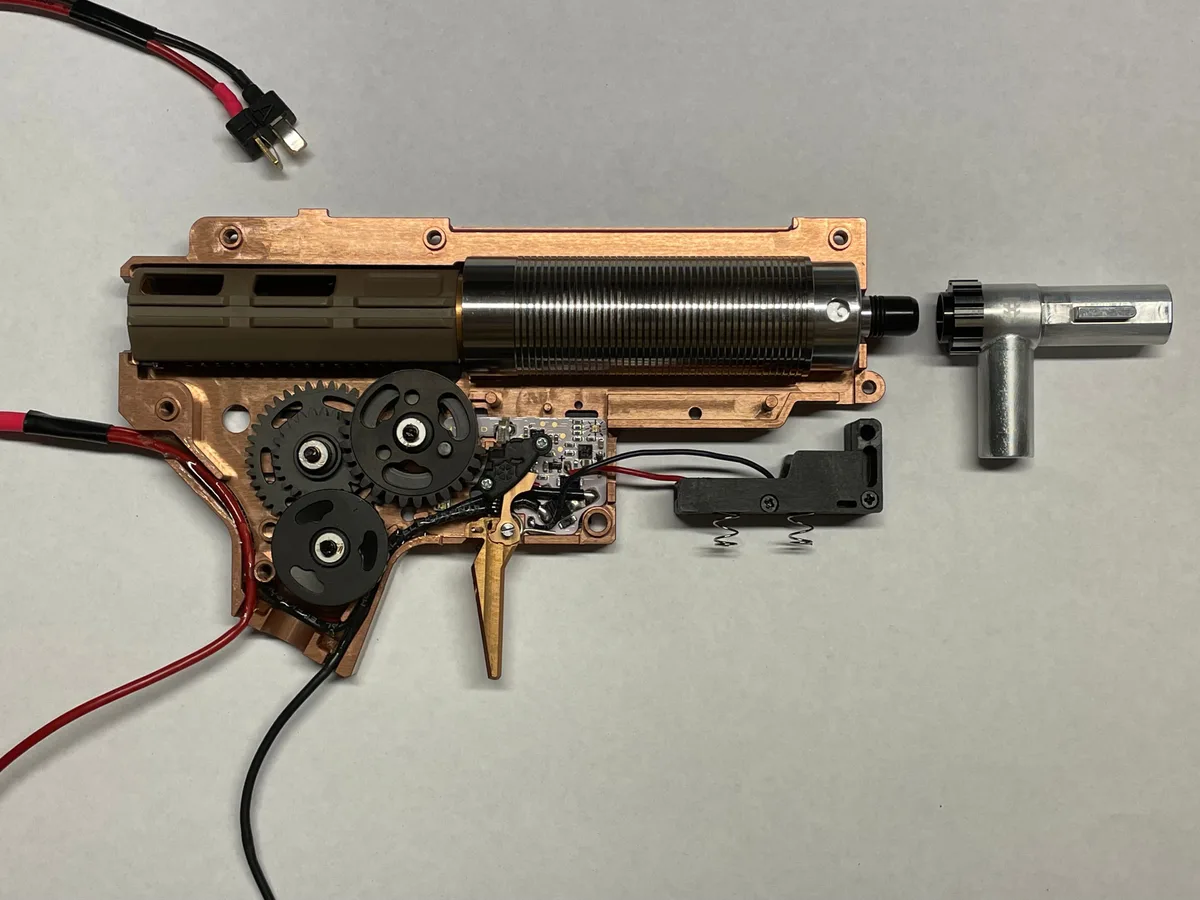
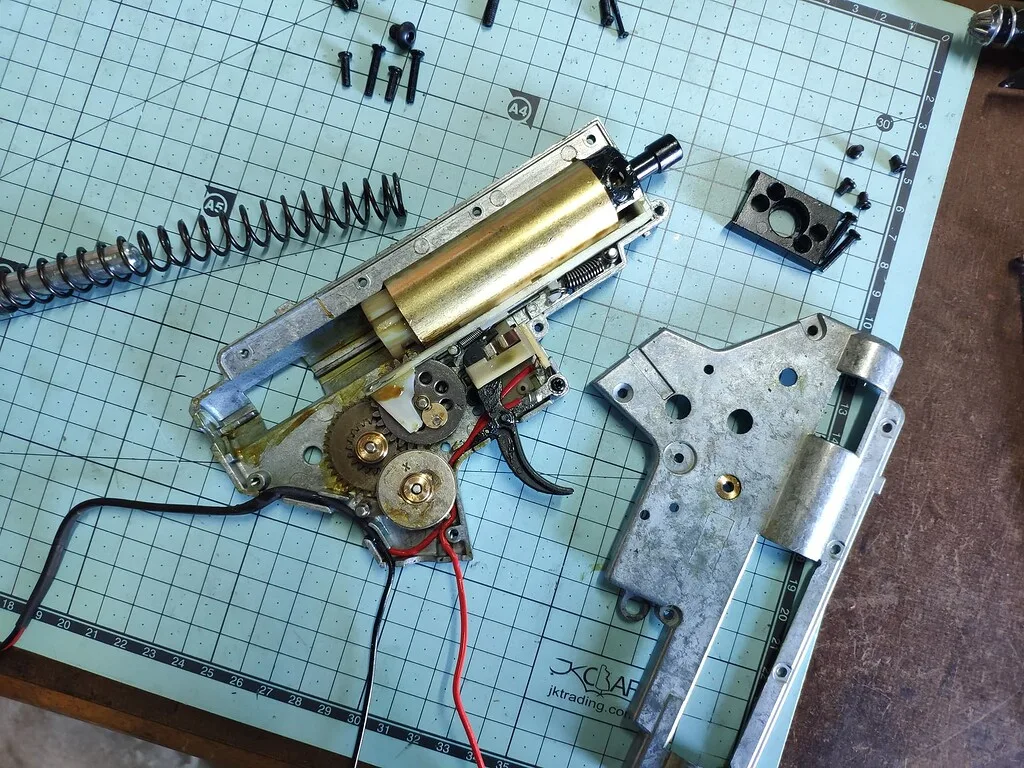
Start by disassembling the gearbox carefully. Remove all old grease and grime. Use a lint-free cloth and mild solvent for cleaning.
Ensure every gear tooth and bearing surface is spotless. Any residue left behind will attract new dirt.
Next, apply a high-quality synthetic grease. Look for products rated for extreme pressure applications. Silicone-based greases work well for plastic components.
Avoid petroleum-based options that might swell certain polymers. Coat the gear teeth lightly but thoroughly.
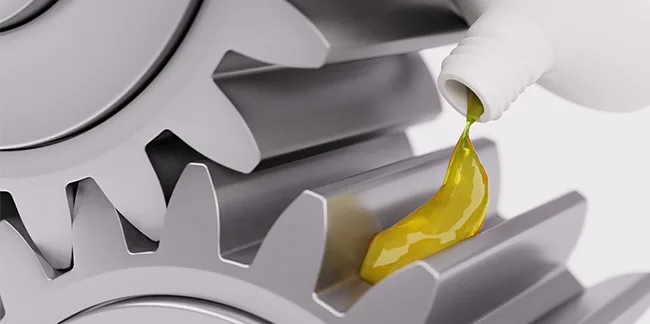
Proper application matters just as much as product choice. Too much grease creates drag itself. Too little leaves metal exposed to air.
Aim for a thin, even film on all moving parts. Check the piston seal for cracks while you’re at it.
Reassemble the unit tightly but not forcibly. Over-tightening screws adds unnecessary stress. Test the rotation manually before inserting the battery.
It should spin smoothly without grinding noises. If you hear clicking, something is misaligned.
Regular maintenance prevents recurrence. Clean and re-lubricate every ten hours of active play. This schedule keeps friction coefficients low.
It extends the life of both gears and motors. Don’t wait for failure to act. Prevention is far cheaper than replacement.
Managing Battery Heat and Preventing Thermal Shutdown During Play
Electrical overheating poses serious safety risks beyond mere inconvenience. Lithium-ion cells become unstable when pushed beyond their limits. Excessive heat accelerates chemical degradation permanently.
In worst cases, it leads to thermal runaway.
Manufacturer specifications indicate safe operating ranges strictly. Most consumer-grade packs handle moderate currents well. However, rapid-fire modes demand peak amperage spikes.
This stresses the internal chemistry significantly. Monitor your voltage drop during intense sessions.
Use batteries with appropriate C-ratings for your setup. A 7.4V pack with a 20C rating handles basic play. High-performance mods may require 30C or higher.
Underspec’d batteries force higher resistance, generating immediate heat. Always match the cell capability to the motor demand.
Store spare batteries correctly between games. Keep them in insulated pouches away from direct sun. Never leave a charging pack unattended overnight.
Follow UL Solutions guidelines for lithium battery safety standards. These protocols minimize fire hazards effectively.
Consider installing a Battery Management System (BMS) if your model lacks one. A good BMS cuts power before critical temperatures are reached. It protects both the cells and the device.
This small addition provides peace of mind during long battles.
Cooling intervals are essential for sustained performance. Pause firing for five minutes after every ten-minute burst. This allows residual heat to dissipate naturally.
Rushing back into action traps warmth inside. Patience preserves your equipment’s lifespan significantly.
Best Practices for Cooling Down Between Firing Sessions
Active cooling strategies extend playtime without damaging components. Passive airflow isn’t enough for high-intensity scenarios. You must intervene proactively to manage thermal loads.
Simple habits make a huge difference over time.
Always remove the battery after extended use. Leaving it connected drains residual power slowly. This minor drain still generates some heat.
Disconnecting stops the circuit completely. Store the blaster in a shaded, ventilated area.
Avoid placing the unit on hot surfaces like car dashboards. Direct sunlight raises ambient temperature drastically. Plastic housings soften easily above eighty degrees Celsius.
Keep your gear in climate-controlled spaces when possible. This protects seals and electronic contacts alike.
Inspect ventilation slots regularly for blockages. Dust and hair clog these tiny openings quickly. Use compressed air to clear them gently.
Blocked vents trap heat internally regardless of external conditions. Clean filters ensure optimal airflow throughout the chassis.
Rotate usage patterns during team events. Alternate between semi-auto and full-auto modes frequently. Full-auto places maximum stress on all systems.
Semi-auto allows brief recovery moments between shots. This rhythmic variation reduces cumulative thermal burden effectively.
Track your session lengths meticulously. Note when overheating begins consistently. Adjust future plans based on this data.
Maybe twenty minutes is your limit today. Tomorrow it might be fifteen due to humidity. Adaptability ensures uninterrupted fun safely.
When to Stop Using the Blaster: Safety Risks of Ignoring Overheating
Ignoring thermal warnings can lead to permanent hardware destruction. More critically, it poses genuine safety hazards for you and bystanders. Lithium-ion batteries are volatile when stressed beyond their design limits.
Swelling or venting releases toxic gases and flammable electrolytes.
If your battery pack feels hot enough to burn skin, stop immediately. Do not attempt to cool it with water. Rapid temperature changes can crack cell casings.
Instead, place the unit on a non-flammable surface away from people. Let it return to ambient temperature naturally over several hours.
Warped plastic barrels compromise structural integrity significantly. A deformed barrel alters the flight path of projectiles unpredictably. This increases the risk of accidental injury at close range.
Per ASTM F963 toy safety standards, any deformation affecting function requires removal from service.
Motor insulation breakdown is another silent failure mode. Excessive heat melts protective coatings on copper windings. Once exposed, wires short-circuit internally.
This can cause sudden sparks or smoke during operation. If you smell burning plastic or ozone, disconnect the power source instantly.
Never charge a damaged or overheated battery overnight. Unattended charging amplifies fire risks exponentially. Use only chargers specified by the manufacturer.
Third-party cables often lack proper voltage regulation. Stick to certified equipment to mitigate electrical hazards effectively.
Frequently Asked Questions About Splatter Ball Gun Temperatures
Is it normal for the motor to get warm?
Yes, mild warmth is expected during active firing. The DC motor converts electrical energy into kinetic motion inefficiently. Some waste heat is unavoidable in compact housings.
However, the casing should remain comfortable to touch. If it becomes too hot to hold, that indicates abnormal stress. Check your lubrication levels and battery health first.
Can I use ice packs to cool my blaster faster?
No, avoid direct contact with ice or cold sources. Thermal shock causes brittle fracture in plastic components. Condensation forms inside the gearbox, leading to rust.
Moisture also corrodes electronic contacts and solder joints. Always allow natural air cooling instead. Patience prevents costly internal damage better than quick fixes ever will.
Why does my gun shut off automatically after ten minutes?
This is likely a built-in thermal protection feature. Modern controllers monitor current draw and temperature sensors closely. They cut power to prevent catastrophic component failure.
It’s a safeguard, not a defect. Wait five to ten minutes before resuming play. Frequent shutdowns suggest your setup exceeds stock cooling capabilities.
Consider upgrading ventilation or reducing fire rate.
Does humid weather affect overheating rates?
Humidity impacts bead absorption and mechanical friction slightly. Wet beads expand more, increasing drag in the hopper. This forces the motor to work harder against resistance.
Higher ambient moisture also slows evaporative cooling from surfaces. Play in shaded areas during summer months. Ensure beads are fully soaked but not dripping wet before loading.

Similar Posts