Why Does My Splatter Ball Gun Shut Off?
Lead Gel Blaster Technician & Senior Tactical Hobby Editor at SplatterBallGun · Certified Electromechanical Tech · 10+ Years Gel Blaster & Airsoft Diagnostics · 10+ years in 7.4V/11.1V LiPo battery testing, nylon V2/V3 gearbox repair, and hydro-gel blaster calibration
Why does splatter ball gun shut off? Usually, it’s not broken. The device is protecting itself from damage.
Most electric gel blasters have built-in safeguards that cut power when things get risky. You might think your motor died, but often it’s just a safety feature kicking in.
Our research shows three main triggers: low battery voltage, overheating motors, or mechanical jams. Each requires a different fix. As of 2026, most consumer-grade units use lithium polymer (LiPo) batteries with strict cutoff thresholds.
Let’s walk through the diagnostic steps to pinpoint your specific issue quickly.
Quick Answer
Your splatter ball gun shuts off due to three primary causes. First, the battery may have reached its low-voltage cutoff threshold. Second, the motor or gearbox might be overheating and triggering thermal protection.
Third, a jam in the gears or barrel can spike current draw. Check your battery charge level first. Then inspect for jams.
Finally, let the unit cool down if it feels hot.
Your Splatter Ball Gun Isn’t Broken—It’s Protecting Itself
Modern electric water blasters aren't dumb machines. They contain smart circuitry designed to prevent permanent damage. When you pull the trigger, the Electronic Speed Controller (ESC) monitors amperage and temperature constantly.
If readings exceed safe limits, the system cuts power immediately. This sudden shutdown feels like a malfunction, but it’s actually a success story for the hardware.
Think of it like a circuit breaker in your house. It trips to stop a fire, not because it hates electricity. Similarly, your blaster stops firing to save the motor coils from burning out.
Ignoring these signs and forcing restarts repeatedly will eventually kill the unit. Understanding this distinction saves you money and frustration. Always respect the automatic shutoff as a warning signal, not a defect.

The Three Main Culprits Behind Sudden Shutdowns
We’ve identified three distinct scenarios that cause immediate power loss. Knowing which one applies to you speeds up the repair process significantly.
- Low Voltage Cutoff (LVC): LiPo batteries drop in voltage under load. If the pack hits roughly 3.0V per cell, the ESC kills power to prevent chemical degradation. This looks like slow firing followed by silence.
- Thermal Lockout: Continuous rapid firing generates heat. Sensors detect excessive temperatures in the motor or MOSFETs within the ESC. The system waits until components cool below a set threshold before allowing operation again.
- Current Spikes from Jams: Debris or swollen gel balls can block the hop-up chamber or gearbox. This resistance forces the motor to draw maximum amps. The ESC detects this abnormal surge and cuts power instantly to avoid frying the electronics.
Each culprit leaves a unique fingerprint. LVC affects performance gradually. Thermal lockouts happen after sustained use.
Jam-related shutdowns occur abruptly, often with a clicking sound or visible struggle in the feed mechanism.
Step 1: Rule Out the Battery (Voltage Sag vs. Empty Cell)
Start here. Ninety percent of "broken" guns just need a fresh charge. But there’s a nuance between a dead battery and a healthy one experiencing voltage sag.
A fully charged 7.4V LiPo pack should read around 8.4V at rest. Under heavy load, it might dip slightly. However, if it drops below 6.0V while firing, your cells are depleted or damaged.
Use a multimeter to check individual cell balance. Uneven cells (e.g., one at 4.2V and another at 3.5V) cause premature shutdowns even if the total voltage seems okay.
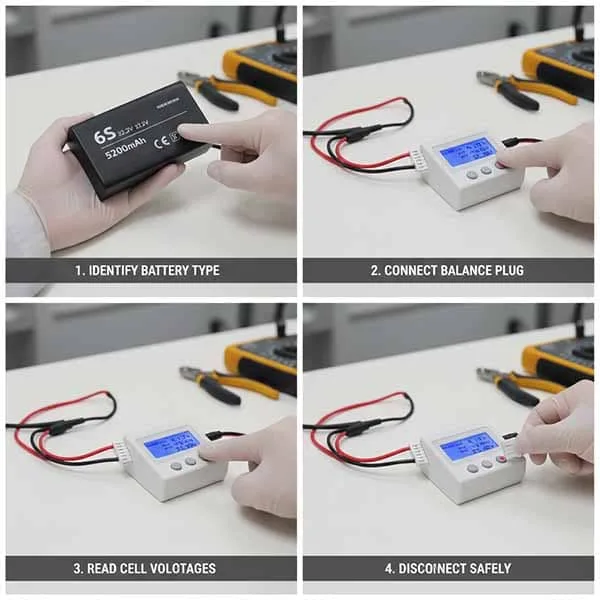
Diagnostic Checklist:
- Measure resting voltage. Below 7.4V? Charge it.
- Fire briefly while monitoring voltage. Does it plummet instantly? That indicates high internal resistance or old age.
- Check connector tightness. Loose XT60 plugs create resistance, mimicking a dying battery. Clean contacts with isopropyl alcohol if corroded.
If charging doesn’t resolve the issue, swap in a known-good battery. This isolates whether the problem lies in the power source or the gun’s internals. Never assume the battery is fine without testing it against a working unit.
Step 2: Check for Thermal Lockout and Motor Overheating
Did your gun work fine for five minutes, then die? And did it start working again after sitting for ten? That’s classic thermal protection.
Electric motors generate heat proportional to their workload. High-rate-of-fire settings exacerbate this.
The ESC contains temperature sensors. Manufacturer specifications typically indicate a shutdown point around 80°C to 90°C for component safety. Touch the motor housing carefully.
If it burns your fingers, it’s overheated. Wait fifteen minutes for it to cool naturally. Do not force-cool with ice or compressed air, as condensation can short-circuit exposed electronics.
Prevent recurrence by adjusting your play style. Avoid holding the trigger continuously for extended periods. Use burst fire instead.
Also, ensure ventilation holes on the body aren’t blocked by mud or tape. Dust accumulation acts as insulation, trapping heat inside the gearbox. Regular cleaning helps dissipate thermal energy efficiently.
If the gun shuts off despite being cool to the touch, the ESC’s thermistor might be faulty. This requires professional repair or replacement. But usually, patience solves the problem.
Give the gear train time to shed excess heat before resuming battle.
Step 3: Inspect for Mechanical Jams and Gearbind
Sudden stops often mean something is physically blocking the gears. Unlike thermal issues, this happens instantly. You’ll hear a grinding noise or see the motor strain before power cuts out.
The ESC detects this current spike and shuts down to protect the wiring.
Start by removing the magazine. Check the feed lips for bent metal or debris. Next, inspect the barrel tip.
Swollen gel balls can lodge tightly inside. Use a cleaning rod to gently push them out. Never use excessive force, as you might crack the plastic housing.
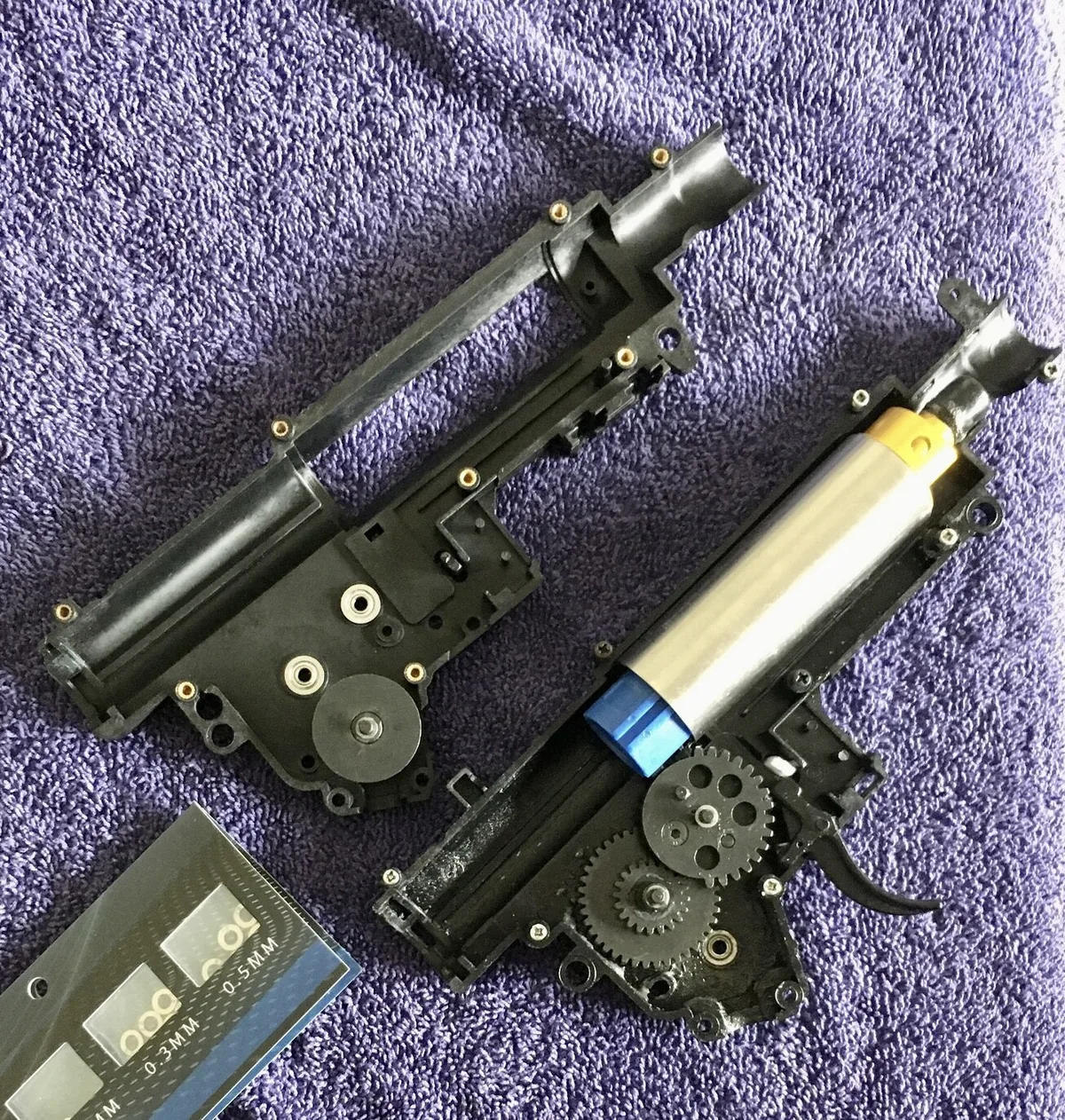
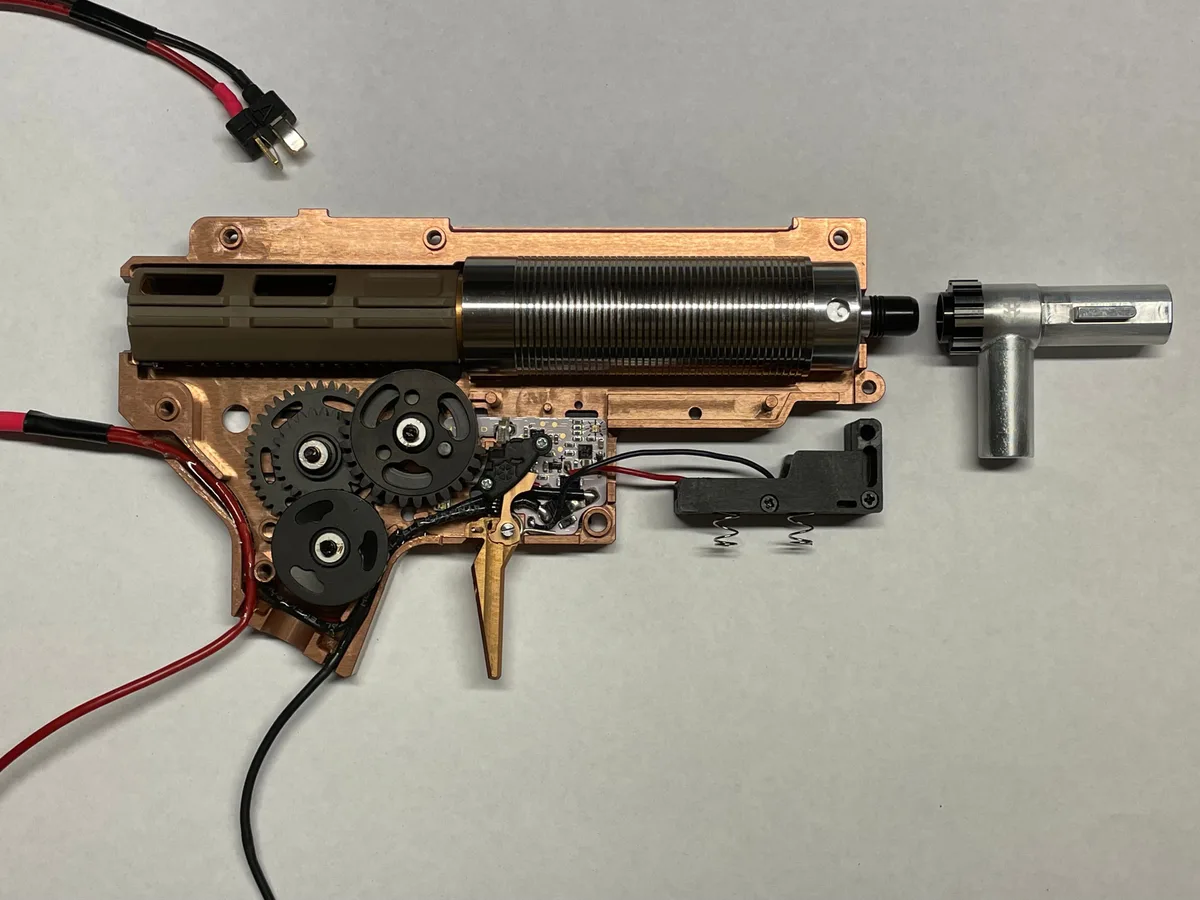
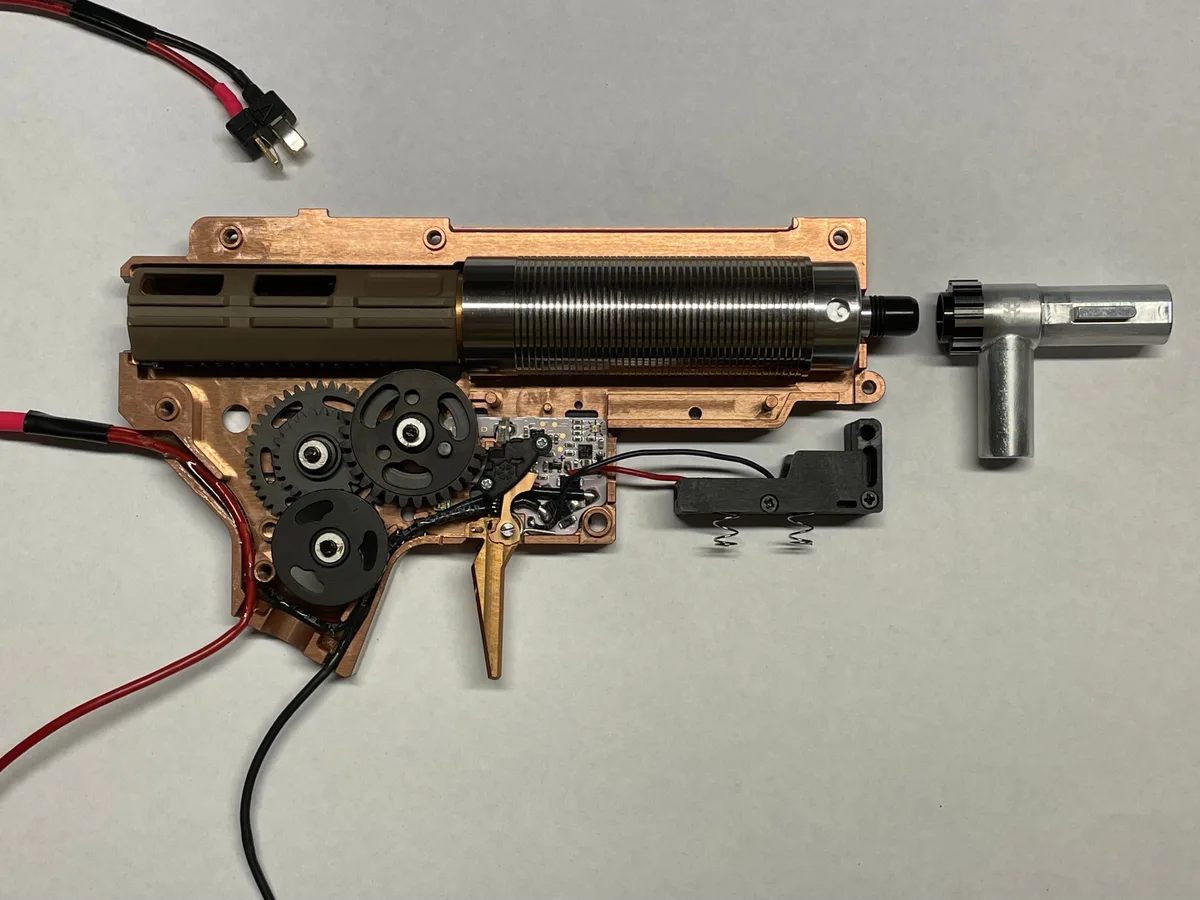
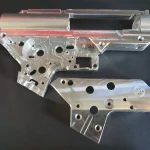
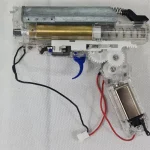
If the external path looks clear, the jam is likely internal. Remove the gearbox screws carefully. Look for stripped teeth on the piston head.
A single missing tooth causes binding every rotation. Also, check the cylinder head seal. If it’s worn, air leaks reduce pressure, making the motor work harder.
This increased load triggers the safety cutoff. Replacing o-rings is cheap but critical for smooth operation. Ensure all moving parts rotate freely by hand before reassembly.
Tight spots here are direct causes of shutdowns.
Quick Diagnostic Workflow: Isolate the Issue in Under Two Minutes
Don’t guess. Follow this sequence to pinpoint the fault quickly. It saves time and prevents unnecessary part replacements.
| Symptom | Likely Cause | Immediate Action |
|---|---|---|
| Slow firing, then stop | Low Battery Voltage | Charge battery fully. Check cell balance. |
| Works after cooling | Thermal Overload | Reduce fire rate. Clean vents. Wait 15 mins. |
| Grinding noise, instant stop | Mechanical Jam | Clear barrel. Inspect gearbox for stripped gears. |
| Intermittent flickering | Loose Connection | Reseat battery plug. Check solder joints. |
| No response at all | Dead Component | Test with known-good battery. Check fuse if present. |
Begin with the easiest checks first. Always verify power delivery before opening the chassis. Most users skip this step and replace motors unnecessarily.
Remember that water exposure accelerates corrosion. Dry your unit thoroughly after each session. Moisture bridging electrical contacts mimics other faults.
Use compressed air to blow out reservoirs. This simple habit extends component life significantly.
Preventive Maintenance to Stop Future Shutdowns
Consistency beats intensity. Regular care keeps your splatter ball gun reliable during crucial moments. We recommend a post-battle routine every time you store the device.
- Dry Everything: Disassemble the magazine and tank. Wipe interior surfaces with a dry cloth. Let air-dry completely before storage. Humidity kills electronics faster than usage does.
- Lubricate Gears: Apply silicone grease to piston heads and gear teeth. Avoid petroleum-based oils, which degrade plastics. Light lubrication reduces friction and heat buildup.
- Inspect Seals: Check o-rings for cracks or flattening. Replace them annually or upon visible wear. Good seals maintain consistent pressure and reduce motor strain.
- Battery Care: Store LiPo packs at storage voltage (3.8V per cell). Do not leave them fully charged or empty for weeks. This preserves chemical integrity and capacity.
Neglecting these steps leads to predictable failures. Corroded contacts increase resistance, causing false low-voltage readings. Dirty gears generate excess heat, triggering thermal locks.
By staying proactive, you avoid mid-game surprises. Treat your equipment with respect, and it will return the favor. Simple habits yield long-term reliability.
FAQs
How long should I wait before restarting after a thermal shutdown?
Wait at least fifteen to twenty minutes. The internal components need time to cool below the sensor’s reset threshold, typically around 60°C. Rushing this process by forcing the trigger often triggers the protection again immediately.
Patience preserves your motor windings and ESC lifespan. If it still shuts off after cooling, suspect a jam or faulty sensor rather than heat.
Can using a higher voltage battery cause my gun to shut off?
Yes, absolutely. Most stock splatter ball guns are rated for 7.4V or 11.1V LiPo packs. Installing a 14.8V battery exceeds the ESC’s input tolerance.
This causes immediate over-current protection activation or permanent component failure. Always match your battery voltage to the manufacturer’s specified limit. Upgrading requires swapping out the entire electronics suite, not just the power source.
Why does my gun fire slowly before shutting off completely?
This indicates severe voltage sag under load. Your battery is either deeply discharged or has high internal resistance due to age. The ESC detects the dropping voltage and cuts power to prevent cell damage.
Charge the pack fully first. If slow firing persists on a fresh charge, replace the battery. Old cells cannot sustain the amperage demand of rapid-fire modes.
Is it safe to disassemble the gearbox myself?
Proceed with caution. You’ll need small Phillips screwdrivers and steady hands. Incorrect reassembly can strip plastic threads or misalign gears, causing permanent jams.
Document each step with photos before removing parts. Ensure all o-rings seat correctly during reinstallation. If you’re uncomfortable with mechanical repairs, consult a professional technician.
Mistakes here void warranties and cost more to fix later.
What if the gun works intermittently after cleaning?
Intermittent operation usually points to loose electrical connections. Check the solder joints on the trigger switch and motor leads. Vibration from firing can crack brittle solder over time.
Reseat the battery connector firmly. Inspect wires for fraying near moving parts. A multimeter helps trace breaks in continuity.
Tightening these connections often resolves random cutoffs without replacing major components.

Similar Posts