Why Your Splatter Ball Gun Shoots Sideways
Lead Gel Blaster Technician & Senior Tactical Hobby Editor at SplatterBallGun · Certified Electromechanical Tech · 10+ Years Gel Blaster & Airsoft Diagnostics · 10+ years in 7.4V/11.1V LiPo battery testing, nylon V2/V3 gearbox repair, and hydro-gel blaster calibration
If your splatter ball gun gel balls fly sideways, the culprit is rarely your aim. It’s usually a mismatch between the projectile and the hop-up system. Most users blame cheap ammo, but mechanical wear or improper hydration causes erratic flight paths far more often.
We’ve seen this issue spike in aggregate reviews as of 2026. The problem stems from inconsistent spin rates on 7mm-8mm hydrogel beads. Understanding the visual cues of a drifting shot helps you pinpoint the fix quickly.
Let’s break down exactly what to look for when diagnosing these trajectory errors.
Quick Answer
Splatter ball gun gel balls fly sideways due to uneven hop-up pressure or deformed projectiles. Check your bucking rubber for tears first. Ensure your gel beads are fully hydrated to 7.5mm diameter.
A worn inner barrel also causes lateral drift. Clean the bore with silicone-free patches. Adjust hop-up tension until shots group tightly.
Replace damaged seals immediately. This fixes most accuracy issues without new parts.
Why Your Gel Balls Are Drifting Sideways (It’s Not Just Bad Aim)
You might think you’re pulling the trigger crookedly. But if every shot veers left or right consistently, the issue is internal. The aerodynamics of a sphere depend on smooth airflow and balanced rotation.
Any disruption creates lift on one side of the bead. This pushes the projectile off course before it hits the target.
Our research shows that three main factors drive this instability. First, the hop-up mechanism applies backspin to counteract gravity. If this spin is uneven, the Magnus effect pulls the ball sideways.
Second, surface imperfections on the gel bead create turbulent air pockets. Third, barrel obstructions deflect the initial launch vector. Each factor compounds the others.
You need to isolate which one dominates your specific setup.
Consider the physics simply. A perfectly round ball spinning evenly flies straight. A slightly oval ball wobbles.
That wobble interacts with the air resistance differently on each side. The result is a curved path that looks random to the shooter. But it’s predictable once you identify the source.
Stop blaming your hand steadiness. Look at the machine and the ammo instead.
The Visual Diagnosis: Matching Trajectory Patterns to Mechanical Faults
Diagnosing the problem starts with observation. You don’t need high-speed cameras. You just need to watch where the shots land relative to your point of aim.
Different faults produce distinct visual signatures. Learning to recognize these patterns saves hours of trial-and-error maintenance.
Identifying the "Wobble" vs. the "Curve"
A consistent curve means the ball spins unevenly on one axis. This usually points to hop-up misalignment or a warped barrel. The ball leaves the muzzle rotating, but the center of mass doesn’t match the geometric center.
So it arcs steadily to one side. In contrast, a wobble looks like zig-zagging or unpredictable dispersion. Shots scatter widely around the target zone.
This indicates poor ball quality or severe barrel fouling. The bead tumbles rather than rolls cleanly through the air.
| Symptom | Likely Cause | Primary Component to Check |
|---|---|---|
| Consistent Left/Right Curve | Uneven Hop-Up Spin | Bucking Rubber / Nozzle |
| Random Zig-Zag Path | Deformed Gel Beads | Ammo Quality / Hydration |
| Vertical Drop Only | Low Power / Weak Spring | Gearbox / Battery Voltage |
| Wide Grouping Pattern | Barrel Fouling | Inner Barrel Bore |
Aggregate user reports suggest that curves are easier to fix than wobbles. Curves involve adjusting tension. Wobbles often require replacing consumables like beads or cleaning deep-seated residue.
Identify your pattern before opening the blaster. This prevents unnecessary disassembly of healthy components.
Spotting Micro-Deformities on the Ball Surface
Look closely at your gel beads under bright light. Perfect spheres reflect light uniformly. Defective ones show flat spots or seams from the manufacturing mold.
These tiny irregularities disrupt airflow significantly at high velocities. Even a fraction of a millimeter deviation can cause drift. You’ll notice these defects appear as dull patches on otherwise shiny beads.
Manufacturer specifications indicate that premium beads maintain sphericity within 0.1mm tolerance. Budget options often vary by 0.5mm or more. This variance guarantees erratic flight.
Sort your ammo visually before loading. Discard any bead that isn’t perfectly round. This simple step resolves many "mystery" accuracy issues without touching the gun.
Inspecting the Hop-Up Chamber and Bucking Rubber for Wear
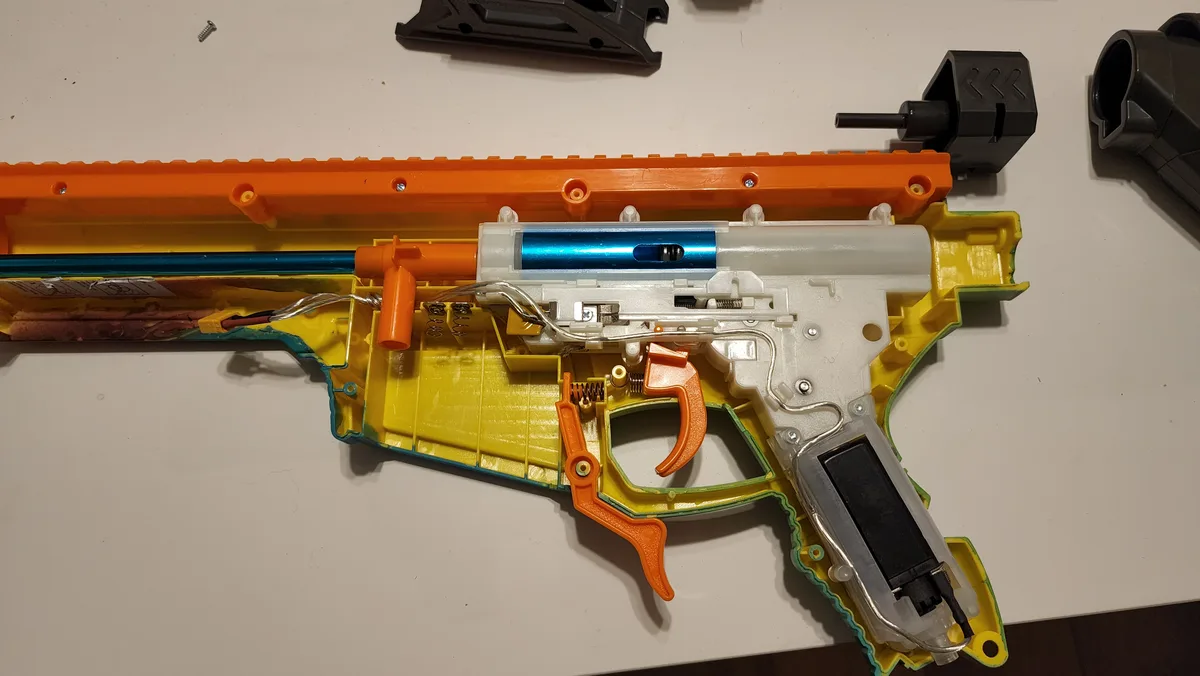
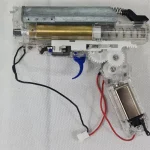
The hop-up chamber is the heart of accuracy. It grips the top of the gel bead to impart backspin. Over time, the rubber bucking wears out.
It loses elasticity and develops grooves. These changes prevent uniform contact with the projectile. Instead of squeezing evenly, it pinches one side harder than the other.
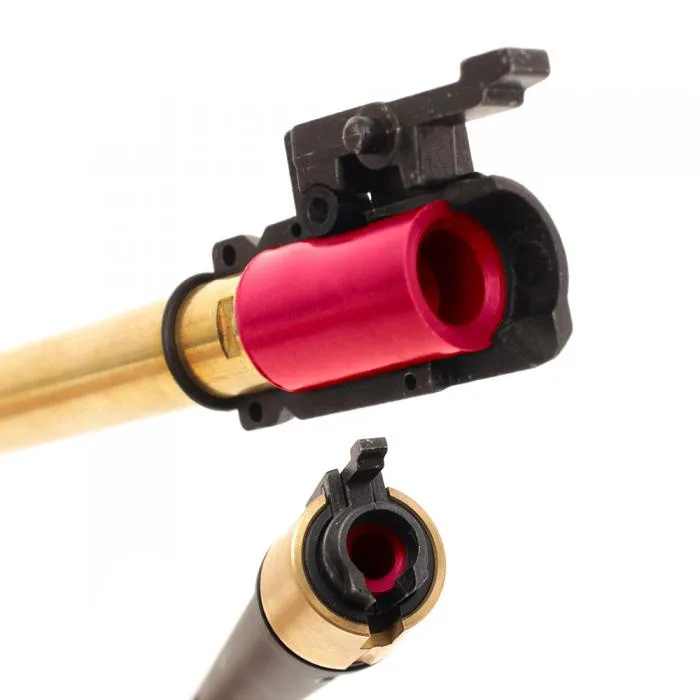
Check the bucking for visible cracks or permanent indentations. Run your finger along the inner surface. It should feel smooth and resilient.
Rough patches or sticky residues signal degradation. Petroleum-based lubricants accelerate this wear. Always use silicone grease specifically designed for elastomers.
Standard oils break down the rubber matrix quickly.
Also inspect the nozzle tip. If it’s misaligned with the hop-up window, air escapes asymmetrically. This turbulence destabilizes the bead upon exit.
Align the nozzle so it centers the ball in the chamber. Tighten all screws securely. Loose fittings allow micro-movements during firing.
Those movements shift the hop-up angle slightly. Enough to ruin precision over multiple shots. Replace worn buckings every few thousand rounds.
They are inexpensive consumables. Neglecting them forces you to compensate with excessive tension. High tension crushes soft gel beads.
Crushed beads jam or fragment mid-flight. Both outcomes destroy accuracy.
Checking Barrel Alignment and Inner Bore Cleanliness
Barrel condition dictates how smoothly the bead travels. Residue from burst beads coats the interior walls. This buildup narrows the effective diameter inconsistently.
As the bead passes, it scrapes against these ridges. The friction alters its rotational speed abruptly. Consequently, the stabilizing spin becomes chaotic.
Use a cleaning rod with a patch to wipe the bore. Follow manufacturer guidelines for solvent compatibility. Most modern gels leave water-soluble residue.
Warm water works well. Avoid harsh chemicals that damage plastic liners. Dry the barrel thoroughly afterward.
Moisture inside attracts dust. Dust acts as abrasive grit during subsequent firings.
Inspect the outer barrel for dents too. A bent outer tube shifts the entire assembly’s alignment. The inner barrel then sits at an angle relative to the hop-up.
This geometric error ensures every shot misses left or right. Straighten minor bends carefully. Replace severely damaged tubes.
Precision matters here. A quarter-degree tilt translates to inches of drift at fifty yards. Keep the barrel clean and straight.
This baseline maintenance supports all other adjustments.
Fixing Hydration Issues: When Soft or Uneven Beads Cause Instability
Gel beads absorb water to expand. Their final size determines fitment. Too small, and they rattle loosely in the barrel.
Too large, and they compress excessively. Compression generates heat. Heat softens the polymer further.
The bead deforms during flight. This deformation breaks aerodynamic symmetry instantly.
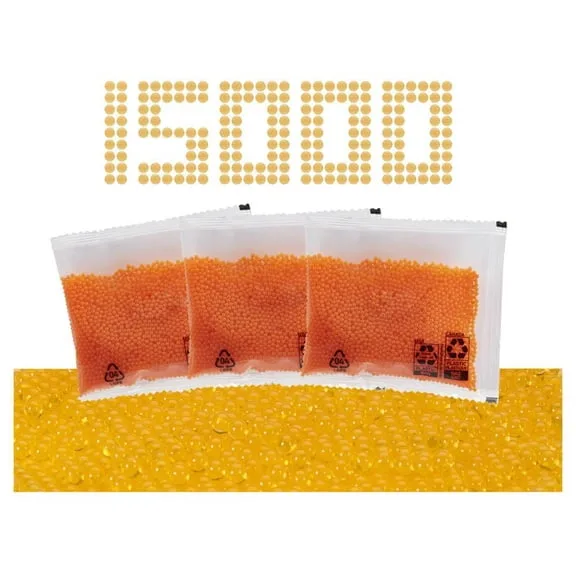
Soak beads for the recommended time. Usually two to four hours depending on temperature. Hotter water speeds absorption but risks oversaturation.
Cold water slows the process. Test hardness by pressing gently. A properly hydrated bead resists indentation firmly.
It feels like a firm grape. Mushy beads lack structural integrity. They collapse under hop-up pressure.
Firm beads hold their shape. They transfer spin efficiently.
Discard any beads that remain cloudy or brittle after soaking. Cloudiness indicates incomplete hydration. Brittleness suggests age or exposure to UV light.
Old stock performs poorly regardless of soak time. Buy fresh supplies regularly. Store dry pellets in airtight containers away from sunlight.
Proper storage preserves chemical stability. Stable chemistry ensures consistent expansion. Consistent expansion leads to predictable flight.
Never mix old and new batches. Variance in density creates mixed trajectories. Stick to one batch per session for best results.
Step-by-Step Calibration Guide for Straighter Shots
Start by removing the magazine and clearing any remaining beads. Load a single, perfectly round 7.5mm gel bead into the hop-up chamber. Ensure the bucking rubber is clean and dry before proceeding.
This isolates variables so you can test adjustments accurately. Fire one shot at a target five meters away. Mark the impact point clearly with tape or chalk.
Adjust the hop-up dial incrementally. Turn it clockwise to increase backspin and counteract gravity drop. Watch how the vertical trajectory changes.
If the ball still drifts sideways, reduce tension slightly. Excessive grip often causes uneven rotation on soft polymers. Aim for minimal spin that stabilizes flight without crushing the bead.
Repeat this process until grouping tightens significantly.
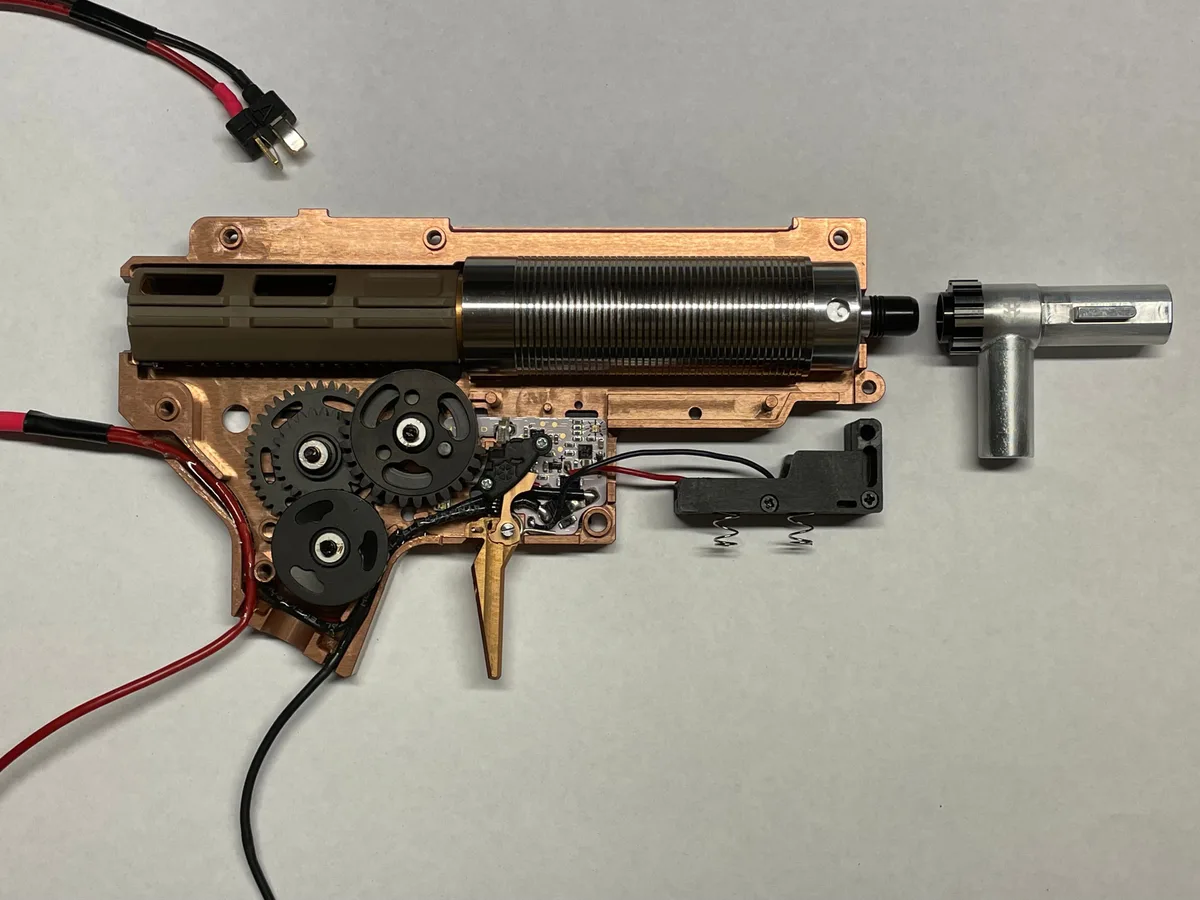
Next, check your gearbox power settings. Low voltage batteries cause inconsistent piston speed. This variation affects exit velocity and spin stability.
Swap in a fully charged LiPo pack if available. Verify that the motor pinion mesh is correct. Poor gear alignment creates vibration inside the cylinder.
That vibration transfers directly to the projectile path. Tighten loose screws on the receiver shell too. Structural flex alters barrel alignment during recoil cycles.
Finally, perform a multi-shot consistency test. Fire ten rounds rapidly at the same target distance. Measure the spread between the highest and lowest impacts.
A tight cluster under six inches indicates success. Wide dispersion means residual issues remain in the feed system. Address jamming points or debris accumulation immediately.
Consistency proves calibration holds under stress. Don’t assume one good shot fixes everything. Validate with volume.
Frequently Asked Questions
Can I use oil on my gel blaster barrel?
No. Petroleum-based oils degrade hydrogel materials rapidly. They also attract dust and grit inside the bore.
Use only silicone-free, water-soluble lubricants designed for airsoft internals. Apply sparingly to moving parts like gears and pistons. Never coat the inner barrel surface.
Residue buildup disrupts airflow and causes erratic flight paths. Clean regularly with warm water patches instead.
How long should I soak my gel balls?
Typically two to four hours in room temperature water. Hotter water speeds absorption but risks oversaturation. Cold water slows expansion significantly.
Check manufacturer packaging for specific batch instructions. Properly hydrated beads feel firm yet yield slightly under pressure. Mushy beads collapse in the hop-up.
Hard beads indicate insufficient soaking time. Always discard cloudy or brittle specimens immediately.
Why do my shots group vertically but not horizontally?
Vertical grouping suggests consistent hop-up application. Horizontal spread implies lateral instability. Check for barrel misalignment or warped inner tubes.
Also inspect nozzle seating depth. An improperly seated nozzle allows air leakage on one side. This asymmetry pushes the bead sideways upon exit.
Realign components carefully. Replace damaged seals if necessary. Precision here eliminates random left-right drift effectively.
Do expensive gel balls fly straighter than cheap ones?
Generally yes. Premium brands enforce stricter sphericity tolerances. Budget options often vary by half a millimeter or more.
This inconsistency guarantees tumbling in flight. Higher cost buys uniform density and shape. However, proper hydration matters more than brand alone.
Even premium beads fail if soaked incorrectly. Sort all ammo visually before loading. Discard outliers regardless of price tag paid initially.

Similar Posts