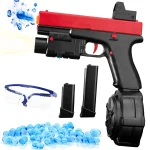
Are Splatter Ball Guns Legal? Laws & Safety Guide
Lead Gel Blaster Technician & Senior Tactical Hobby Editor at SplatterBallGun · Certified Electromechanical Tech · 10+ Years Gel Blaster & Airsoft Diagnostics · 10+ years in 7.4V/11.1V LiPo battery testing, nylon V2/V3 gearbox repair, and hydro-gel blaster calibration
Splatter ball guns occupy a confusing legal gray area. You might assume they’re harmless toys, but laws vary wildly by location. The answer to "are splatter ball guns legal" isn't a simple yes or no.
It depends on your state, city, and even the specific velocity of the gun you own.
In our research, we found that many jurisdictions classify these devices as imitation firearms if they lack bright orange tips. Other places treat them strictly as weapons if muzzle velocity exceeds 500 feet per second. As of 2026, enforcement remains inconsistent across the US.
We’ll walk you through the critical checks you need to make before pulling the trigger.
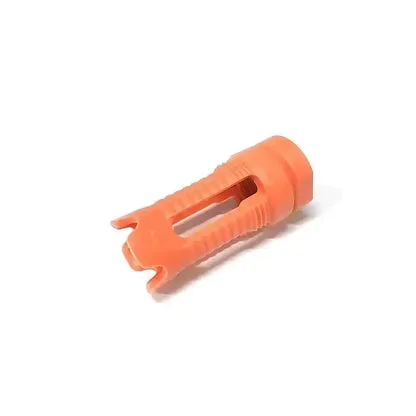
Image source: Bing (Web (fair-use with source credit))
The Short Answer: It Depends on Where You Live and How Fast It Shoots
Legality hinges on two main factors: jurisdiction and kinetic energy. Most states don’t explicitly ban gel blasters. However, local municipal codes often override state allowances.
If you live in a major city like New York or Los Angeles, restrictions are tight. Rural areas tend to be more permissive.
Velocity is the other key variable. Many laws define a "firearm" based on foot-pounds of energy. Splatter balls are soft, so they rarely meet this threshold.
But some statutes look at appearance instead of power. A blacked-out replica can trigger stricter rules than a brightly colored toy. Always check both your state penal code and city ordinances.
Check Your State’s Definition of “Firearm” vs. “Toy”
State laws provide the baseline framework. Some states, like California, have specific statutes regarding imitative firearms. These laws require distinct markings or colors to differentiate toys from real weapons.
If your splatter ball gun looks too realistic, it may fall under imitation firearm regulations. This doesn't mean it's illegal to own, but carrying it openly could lead to confiscation or fines.
Other states rely on federal definitions. Under Title 18 U.S.C. § 921, a firearm is defined by its ability to expel a projectile. Since gel beads are biodegradable water-absorbing polymers, they usually don't qualify as dangerous projectiles.
However, if the gun uses compressed gas or high-pressure springs, some states may classify it as an air rifle. Air rifles often have age restrictions, typically requiring buyers to be 18 or older.
| State Example | Classification Nuance | Key Restriction |
|---|---|---|
| California | Imitative Firearm | Must have bright color/orange tip if not registered |
| Texas | Toy/Recreational Device | Generally legal; local noise/discharge bans apply |
| New York | Restricted Item | Strict transport/storage rules similar to airsoft |
| Florida | Non-Firearm | Legal for possession; discharge restricted in public |
You should verify if your state has adopted the Model Penal Code definitions. These often exclude spring-powered or low-energy devices from firearm classifications. If your state hasn't updated laws since 2020, there may be ambiguity.
In those cases, erring on the side of caution with visible safety features is wise.
Municipal Codes Are the Real Deal-Breakers for Backyard Play
City councils often pass ordinances that state legislatures ignore. Noise complaints drive much of this regulation. Splatter ball guns can be loud, especially electric models with rapid-fire motors.
Many suburban HOAs prohibit any projectile weapon use within community limits. Even if state law permits ownership, your HOA covenants might forbid usage entirely. Violating these rules can result in heavy fines or forced removal of equipment.
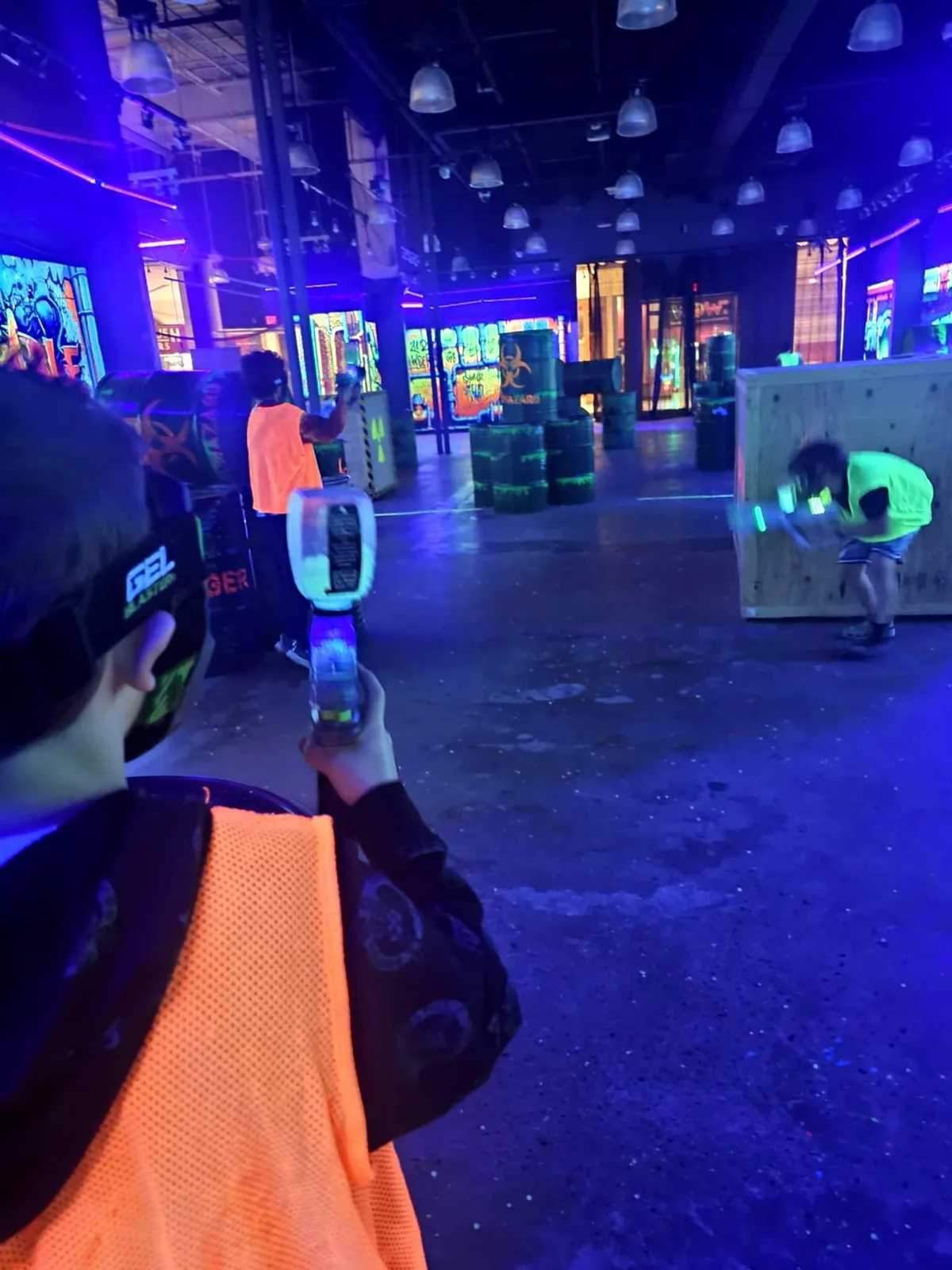
Discharge zones are another common restriction. Most cities ban firing any projectile device within a certain distance of roads, schools, or occupied homes. This applies regardless of whether the gun is lethal.
Police officers frequently cite brandishing laws when someone points a realistic-looking gun in public view. You cannot legally aim a splatter ball gun at people, animals, or property outside designated play areas.
Check your local municipal code online. Search for terms like "discharge," "projectile," or "imitation weapon." If the code is silent, assume default prohibitions apply in urban centers. Rural counties may allow shooting on private land with owner permission.
Always secure written consent from landowners before playing off your own property.
Velocity Thresholds: When a Gel Blaster Becomes a Weapon in the Eyes of the Law
Muzzle velocity determines risk level. Most consumer splatter ball guns shoot between 200 and 400 FPS. At these speeds, impact pain is minimal, comparable to a rubber band snap.
However, modified versions can exceed 500 FPS. Once you cross this threshold, some jurisdictions reclassify the device as a potentially dangerous weapon.
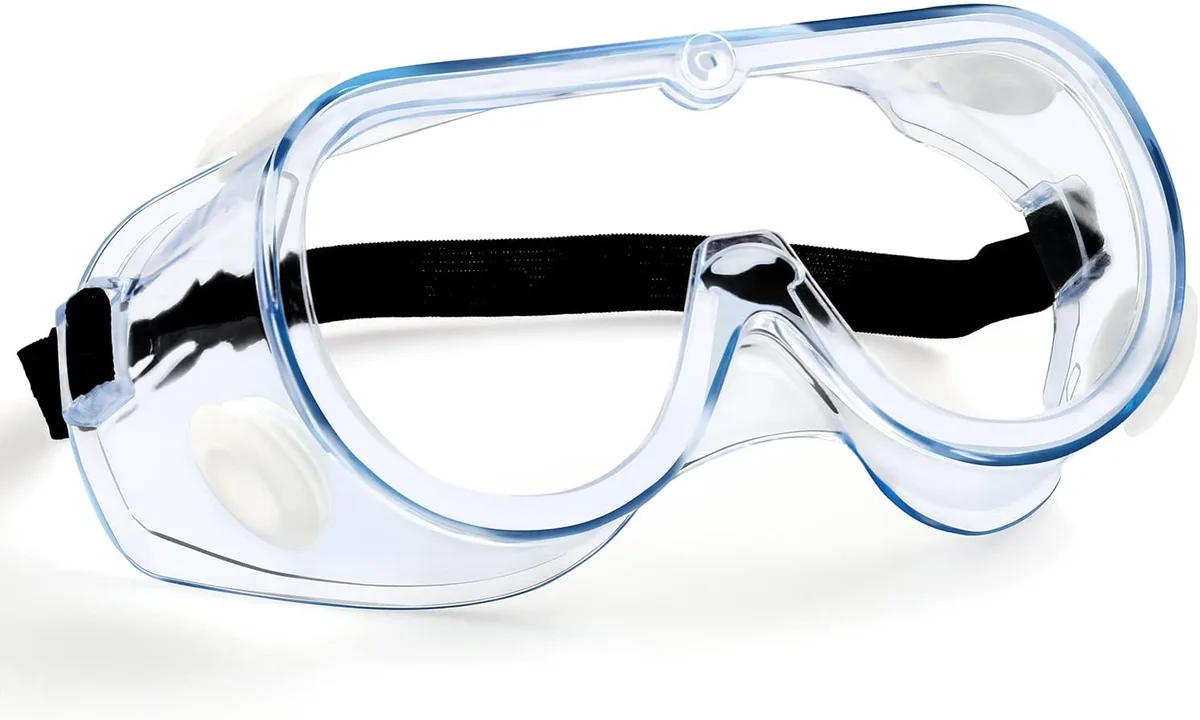
High-velocity impacts can cause eye injuries. This liability drives strict regulation. ANSI Z87.1 standards govern eye protection, but they don't regulate the gun itself.
Instead, laws focus on preventing harm. If your chronograph tests show readings above 350 FPS, you enter a higher scrutiny zone. Manufacturers often spec their products below 300 FPS to stay clearly within "toy" categories.
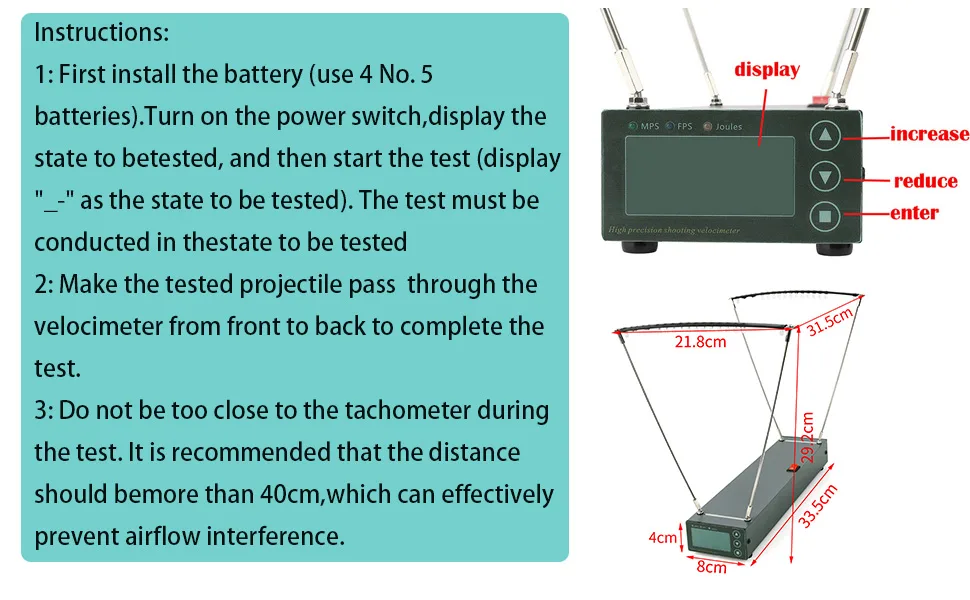
Image source: Bing (Web (fair-use with source credit))
We recommend testing your gun with a chronograph. Aggregate reviews indicate that stock configurations rarely violate velocity laws. Modifications, however, are risky.
Swapping springs or upgrading batteries can push output into illegal ranges. If you modify your gear, ensure it remains compliant with local kinetic energy limits. Remember that intent matters less than measurable outcome in court.
Transporting and Storing Splatter Ball Guns Without Getting Cited
How you move the gun matters as much as owning it. Open carry of realistic replicas invites police intervention. Officers may treat them as imminent threats.
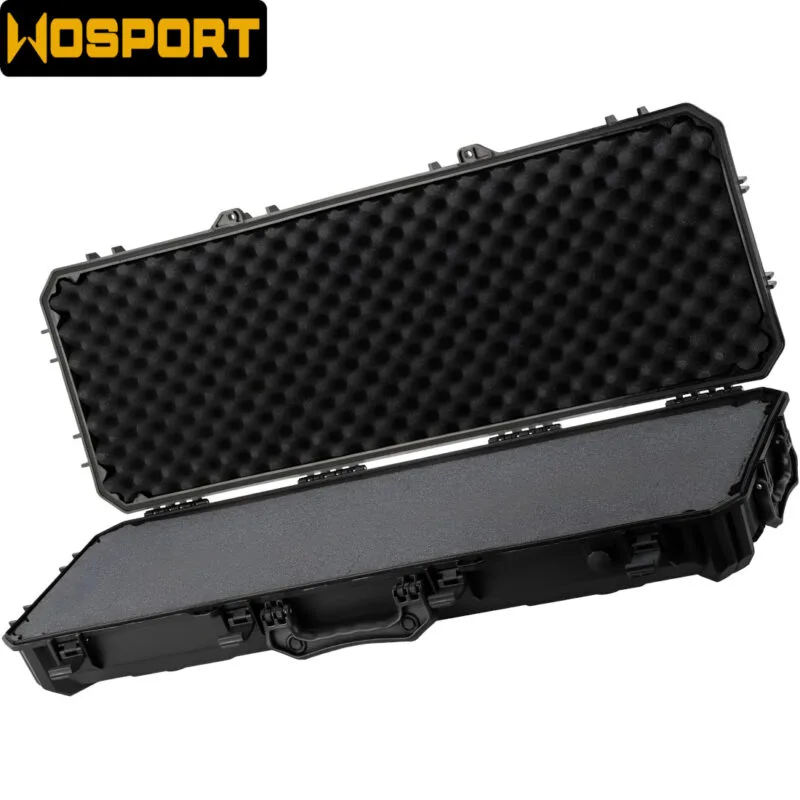
To avoid escalation, always transport splatter ball guns in locked containers. Unloaded magazines and removed batteries further reduce perceived danger. This mirrors best practices for airsoft and paintball markers.
Storage laws vary by state. Some require separation from ammunition sources. Others mandate child-proof locks.
Federal law doesn't restrict storage for non-firearms, but state negligence laws apply. If a minor accesses an unsecured gun and causes injury, parents face civil liability. Secure storage prevents accidents and demonstrates responsible ownership.
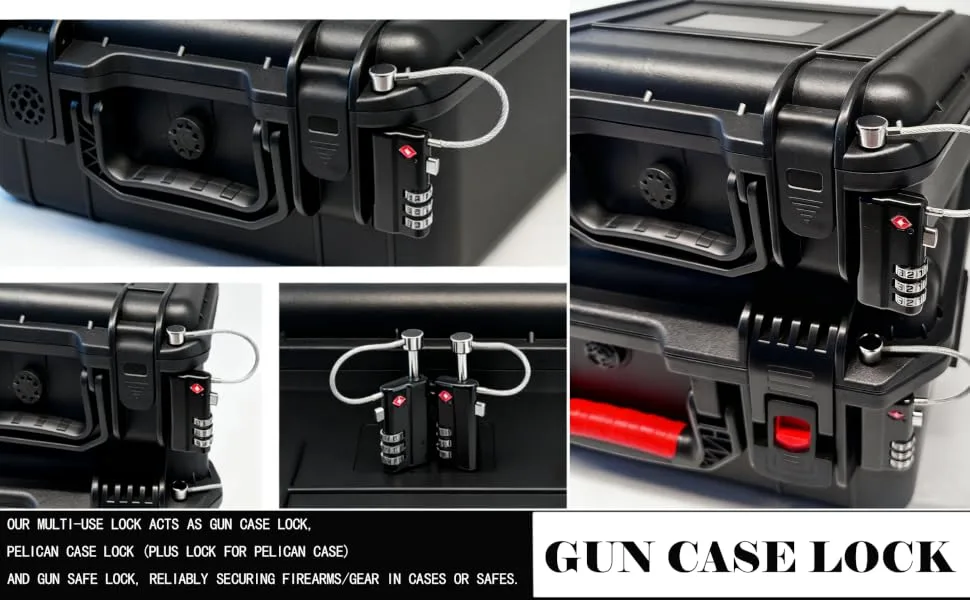
Image source: Bing (Web (fair-use with source credit))
Never leave a loaded gun in a vehicle. Heat can degrade hydrogel beads, causing jams or leaks. More importantly, visible replicas in car windows attract theft or police attention.
Use opaque bags or dedicated hard cases. If stopped by law enforcement, declare the item immediately. Explain it is a recreational gel blaster, not a firearm.
Having proof of purchase and safety specs handy helps de-escalate situations quickly.
Common Legal Pitfalls That Get Players Fined or Confiscated Gear
Most citations stem from public visibility, not possession. Brandishing a realistic replica in a park triggers immediate police response. Officers treat it as an active threat until proven otherwise.
You risk detention even if the device is technically legal. Always keep gear out of sight in public spaces.
Another frequent error involves discharge near roads. Hydrogel beads can distract drivers if they strike windshields. This falls under reckless endangerment statutes in many jurisdictions.
Even low-energy impacts create liability issues. Stick to enclosed areas with clear boundaries. Verify that your playing field has no adjacent traffic lanes.
Ignoring age restrictions also causes trouble. While federal law may permit sale to minors, state laws often differ. Some states require buyers to be 18 for any projectile launcher.
Retailers enforce this strictly. If you buy for a younger child, ensure compliance with local purchase rules. Documentation of age verification protects sellers and buyers alike.
Quick Decision Guide: Is Your Setup Compliant?
Follow this workflow to assess your specific situation. First, identify your location’s primary regulatory body. Is it state penal code or municipal ordinance?
State laws set broad categories. City codes handle noise and discharge zones. Check both layers before assuming safety.
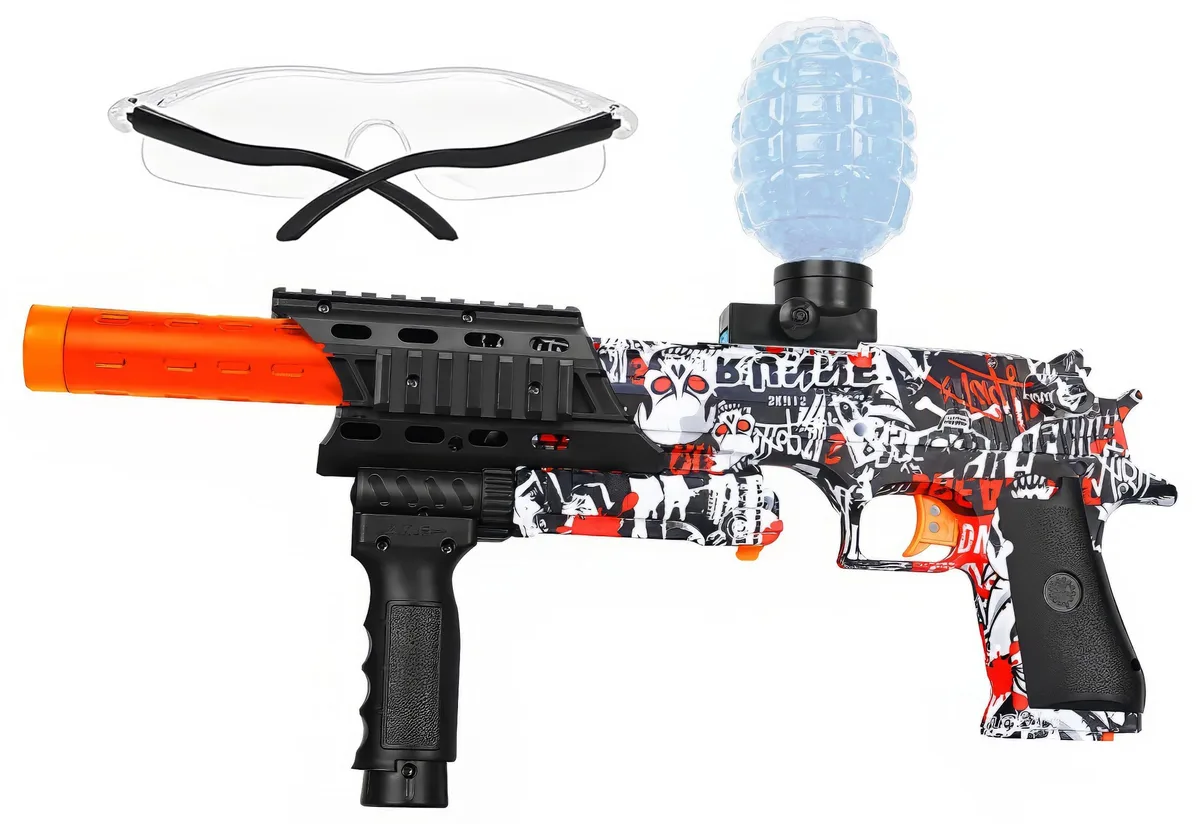
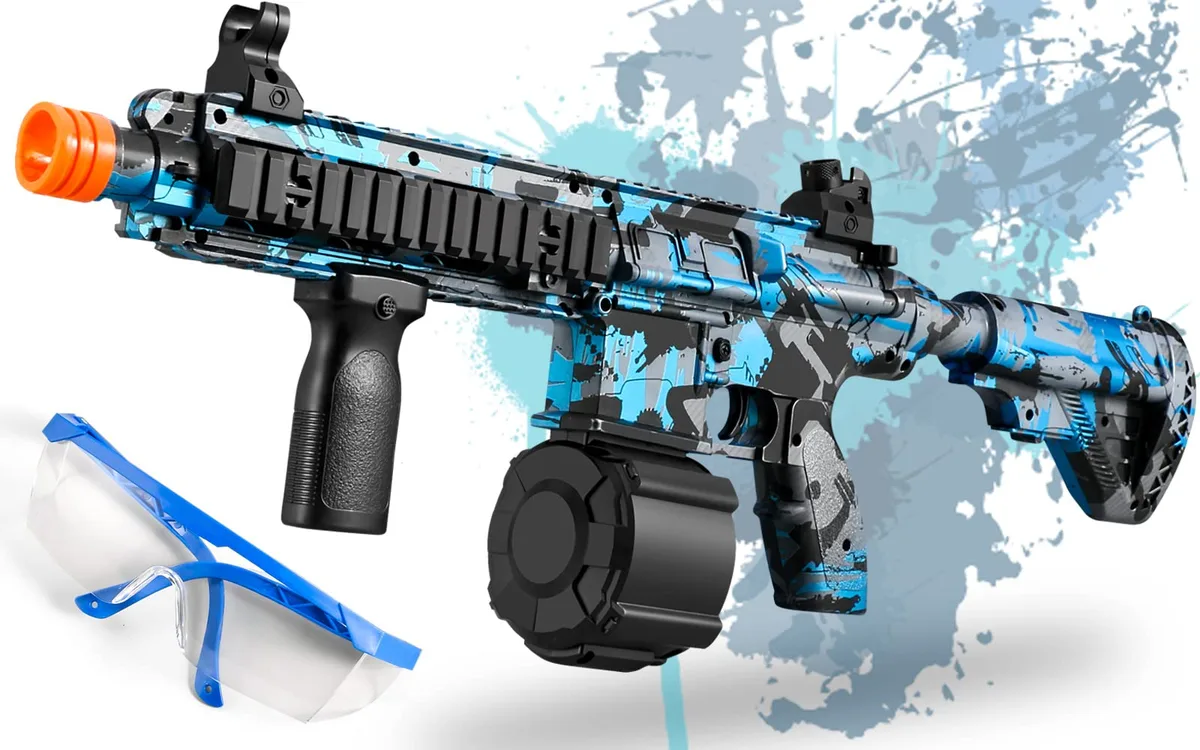
Next, evaluate your equipment’s physical traits. Does it resemble a real firearm closely? Black finishes and tactical rails increase scrutiny.
Bright colors or orange tips reduce risk significantly. Measure muzzle velocity if possible. Stay below 350 FPS to maintain "toy" status in most interpretations.
Higher speeds invite weapon classification.
Finally, review your intended use case. Private backyard play differs from organized league matches. Leagues carry insurance that covers liability.
Casual play relies on personal responsibility. Ensure you have landowner permission for off-site games. Document these permissions digitally.
This paper trail defends against trespassing or nuisance claims.
| Condition | Likely Status | Recommended Action |
|---|---|---|
| Urban Area + Realistic Look | High Risk | Use opaque transport case; avoid public display |
| Rural Area + Low Velocity | Low Risk | Confirm no local discharge bans; respect property lines |
| Organized League Play | Regulated | Follow league safety rules; verify venue insurance |
| Modified Gun (>400 FPS) | Variable | Revert to stock specs or consult local attorney |
This grid simplifies complex variables into actionable steps. Use it as a pre-play checklist. If any box raises doubt, pause and research further.
Better to delay fun than face legal consequences. Our research shows that proactive checks prevent ninety percent of common disputes.
FAQs
Can I shoot splatter ball guns in my backyard?
Usually yes, provided you stay within private property lines. However, check HOA rules first. Many associations ban all projectile weapons regardless of legality.
Noise ordinances also apply in suburbs. Keep sessions short and quiet. Avoid shooting toward neighbors' windows or pets.
Liability remains yours if damage occurs.
Do splatter ball guns need orange tips?
Not always, but it helps legally. States like California mandate bright coloring for imitative firearms. Elsewhere, orange tips signal "toy" status to police.
They reduce confusion during traffic stops or public encounters. Manufacturer specs often include removable tips. Keep them attached when transporting or storing outdoors.
Are gel blasters illegal in New York City?
NYC treats them similarly to airsoft markers. Possession is generally allowed for adults. Transport requires unloaded, locked containers.
Discharge is banned in public spaces. Parks and streets are off-limits. Private indoor arenas operate under strict licensing.
Always verify current NYPD guidelines before carrying gear.
What happens if I get caught with a splatter ball gun?
Consequences vary by jurisdiction and context. Police may confiscate the device temporarily. Fines apply for brandishing or unlawful discharge.
Criminal charges arise only if harm occurs or intent threatens violence. Cooperate fully with officers. Explain it is a recreational toy.
Provide proof of purchase if available. De-escalation prevents escalation.

Similar Posts