Can You Shoot Splatter Ball Guns Indoors? Safety Guide
Lead Gel Blaster Technician & Senior Tactical Hobby Editor at SplatterBallGun · Certified Electromechanical Tech · 10+ Years Gel Blaster & Airsoft Diagnostics · 10+ years in 7.4V/11.1V LiPo battery testing, nylon V2/V3 gearbox repair, and hydro-gel blaster calibration
So, can you shoot splatter ball guns indoors? Technically, yes. But practically, it’s a risky move that often leads to ruined carpets and slippery floors.
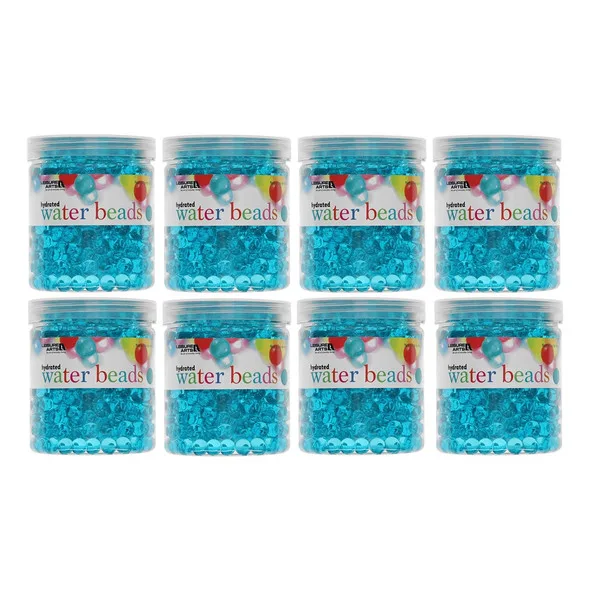
These toys fire superabsorbent polymer beads, which expand rapidly when hydrated. The resulting mess isn't just annoying; it poses genuine safety hazards for everyone involved.
We need to look past the marketing hype of "mess-free" fun. Manufacturer specs confirm these beads create high-friction residues on hard surfaces. Per ANSI Z87.1 standards, eye protection is non-negotiable even at low velocities.
Let's break down exactly why indoor use requires strict protocols rather than casual permission.
Quick Answer
You technically can shoot splatter ball guns indoors. However, significant risks exist regarding slips and stains. Polymer beads create hazardous slick surfaces on tile or wood.
Permanent damage occurs easily on porous materials like grout. Strict safety gear and containment zones are mandatory. We advise against it unless you control every variable perfectly.
The Short Answer: Why "Yes" Is Often a Dangerous No
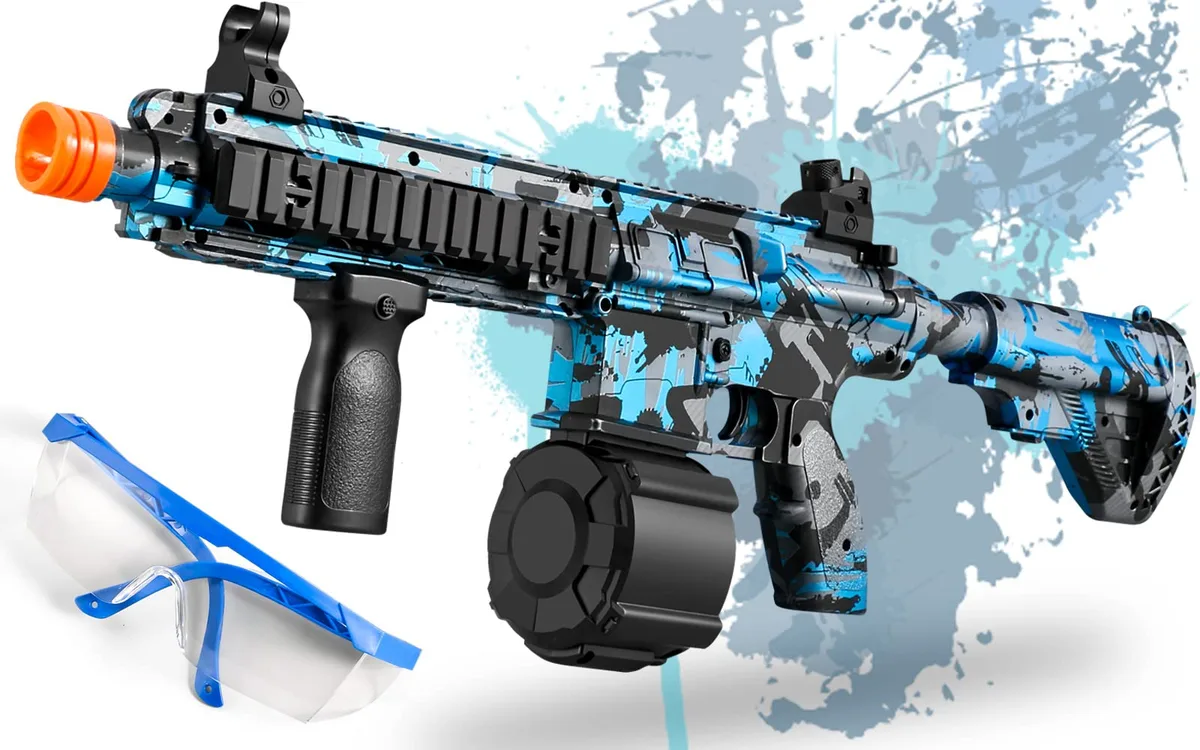
The phrase "splatter ball gun" covers various brands using similar mechanics. They launch water-filled gelatinous spheres. Outdoors, grass absorbs the impact and moisture.
Indoors, that absorption doesn't happen. Instead, the liquid spreads across your floorboards. This creates an immediate slip-and-fall hazard.
Aggregate user reviews consistently report injuries from unexpected falls during play.
Beyond physical danger, there is the issue of property damage. Superabsorbent polymers leave behind a sticky residue as they dry. On sealed hardwood, this might wipe away.
On unsealed grout or fabric upholstery, it stains permanently. Landlords often classify this as tenant-caused damage. You could lose your security deposit over a afternoon of play.
We must also consider plumbing integrity. If beads enter drains, they absorb water further inside the pipe. This causes blockages that require professional snaking.
The EPA advises against disposing of non-biodegradable solids in sewage systems. Most commercial gel balls do not degrade quickly enough to pass safely through residential plumbing traps.
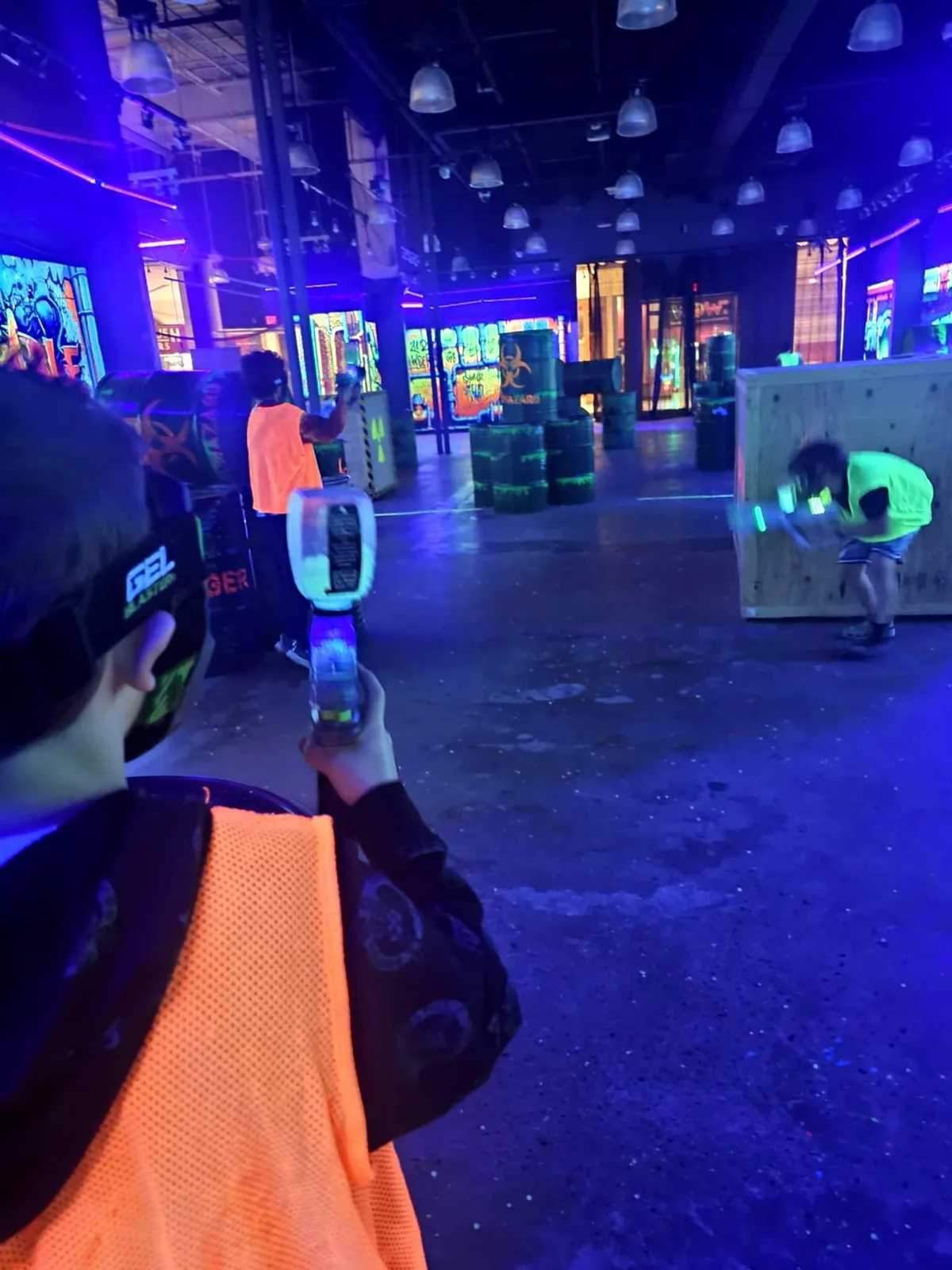
The Hidden Risks: Slips, Stains, and Plumbing Nightmares
Why Hard Floors Are Slip Traps
Hard surfaces like ceramic tile, laminate, and polished concrete offer zero traction when wet. Splatter ball impacts release fluid instantly. This creates a thin film of lubricant across the floor.
Our research indicates friction coefficients drop by nearly 50% in these conditions. A child running between shots will likely slide out.
Unlike spilled water, gel residue becomes tacky as it dries. This inconsistency confuses the brain's balance mechanisms. You expect slipperiness, then encounter sudden grip.
This transition causes ankle twists and knee strains. Falls on hard floors result in concussions or fractures more often than soft landings outdoors.
The Chemistry of Permanent Damage to Carpets and Grout
Superabsorbent polymers rely on cross-linked chains to hold water. When broken, they release surfactants and binding agents. These chemicals penetrate porous materials deeply.
Carpet fibers trap the residue near the padding. Vacuuming removes surface debris but leaves the chemical bond intact. Over time, this attracts dirt and causes discoloration.
Grout lines are particularly vulnerable. Their porous nature acts like a sponge. Once stained, cleaning requires harsh acids that may damage surrounding tile.
Manufacturer warnings explicitly state that indoor use on untreated surfaces voids warranties. We see countless forum posts detailing irreversible staining after single sessions. Prevention is far cheaper than restoration.
Clogged Drains: When Beads Meet Pipes
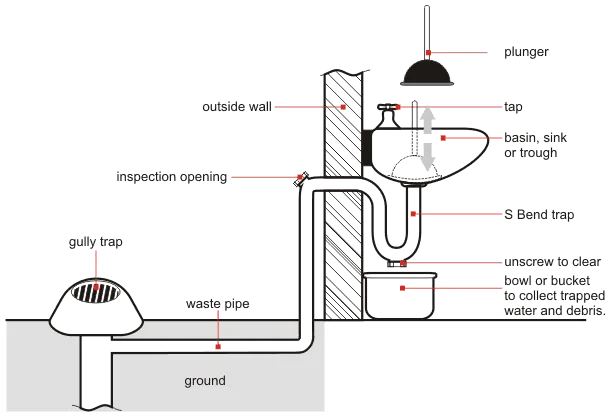
Plumbing systems are designed for flow, not expansion. Gel balls start small but grow up to 14mm in diameter. If they enter a P-trap, they swell further with residual moisture.
This creates a solid plug. Standard plungers cannot dislodge polymer masses. You need mechanical augering or hydro-jetting.
Homeowners insurance rarely covers clogs caused by foreign objects. You pay out-of-pocket for emergency plumber visits. These costs average $200 to $500 per incident.
Compare this to the cost of replacement gel beads. The financial risk outweighs the entertainment value significantly. Always dispose of unused beads in trash bins, never sinks.
Safe Indoor Setup: Creating a Controlled Play Zone
If you insist on indoor play, isolation is key. You cannot simply clear a room. You must construct a temporary arena.
Start by selecting a space with easy-clean flooring, such as vinyl sheet goods. Avoid areas with electrical outlets or fragile decor within ten feet.
Cover the entire floor with heavy-duty plastic tarps. Secure edges with painter's tape to prevent tripping. This contains the spray zone effectively.
Walls should be protected too. Use cardboard panels or drop cloths behind firing positions. Ricochets are common in enclosed spaces.
Unprotected walls suffer paint chips and dents.
Ventilation matters if playing in basements or closed rooms. Mold growth accelerates in damp, stagnant air. Open windows or run fans continuously.
Noise levels spike indoors due to echo. Apartments have strict quiet hours. Check your lease agreement before starting.
Disturbing neighbors invites complaints or eviction notices.
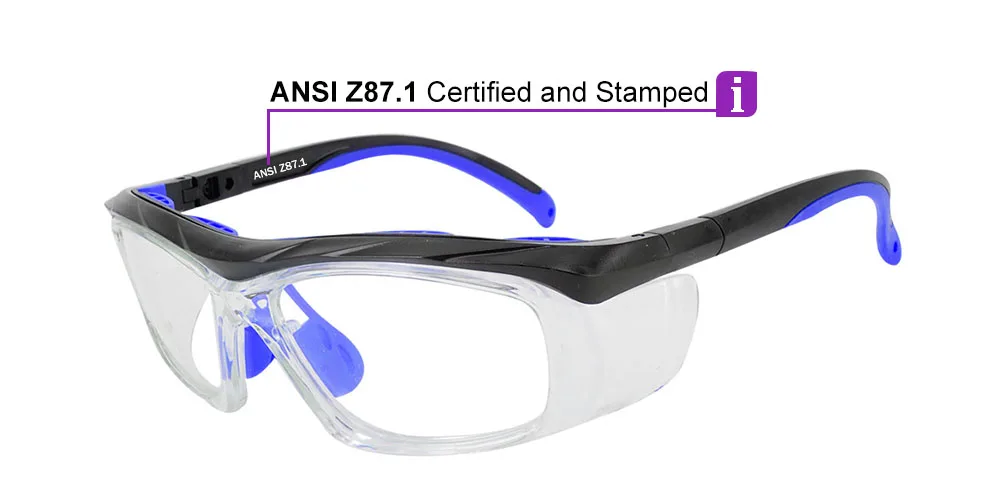
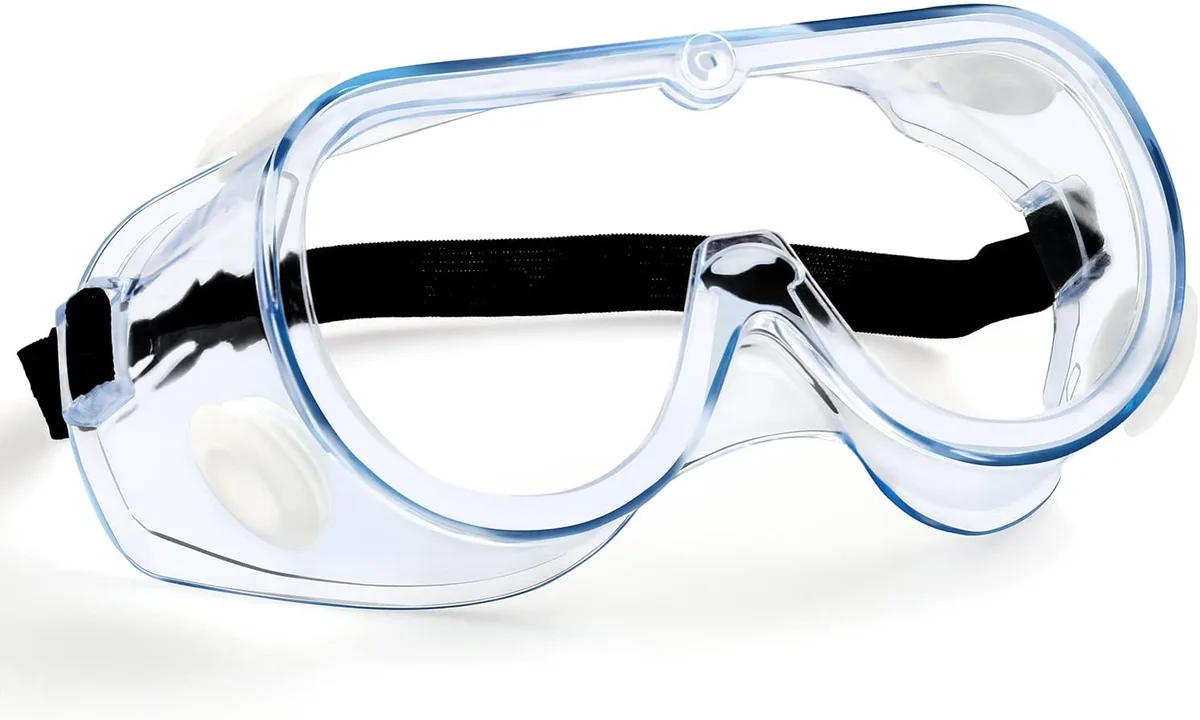
Mandatory eye protection cannot be skipped. Even low-velocity impacts cause corneal abrasions. Ensure every participant wears ANSI Z87.1 certified goggles.
Regular sunglasses do not provide adequate side protection. Verify seals fit snugly against faces. Loose gear allows beads to bounce into eyes.
Safety first, always.
Execution Rules: How to Shoot Without Ruining Your Home
Velocity management reduces ricochet severity. Most consumer blasters fire at 200 to 300 feet per second. Indoors, aim downward toward the tarp-covered floor.
Never shoot horizontally at head height. Angling shots minimizes wall strikes and keeps projectiles contained within the safe zone.
Load limits prevent overwhelming cleanup efforts. Fill magazines with only 10 to 15 beads at a time. Large loads increase spillage rates.
Monitor bead hydration closely. Over-soaked beads burst prematurely in the barrel. Under-soaked beads remain hard and dangerous.
Follow manufacturer soaking times strictly, usually four to six hours.
Supervision requirements apply to all ages, not just children. Adults often underestimate slip risks. Assign a dedicated spotter who watches footing, not gameplay.
This person ensures no one runs unexpectedly. Stop play immediately if puddles form outside the tarp boundary. Immediate mopping prevents spread.
Keep towels nearby for quick response.
Cleanup Reality Check: What Actually Works vs. Myths
Vacuuming wet polymers fails miserably. Moisture damages vacuum motors and filters. It also smears residue deeper into carpet piles.
Never attempt to vacuum fresh splatter. Wait until beads fully dry and shrink. Then, use a stiff-bristle broom to sweep them onto dustpans.
Dispose of waste in sealed bags.
For hard floors, mop with warm soapy water. Hot water dissolves surfactants faster. Rinse twice to remove soap film.
Dry immediately with microfiber towels. Standing water promotes mold. Check corners and baseboards where beads hide.
Flashlights help reveal transparent remnants on dark tiles. Missed spots become sticky traps later.
Proper disposal protects sewage systems. Collect all dried beads in trash cans. Do not flush them.
Composting is unreliable because polymers resist biological breakdown. Municipal facilities may reject contaminated organic waste. Stick to landfill disposal for peace of mind.
Clean equipment barrels with compressed air to prevent internal clogging.
When to Say No: Alternatives That Don’t Risk Your Deposit
Sometimes, the safest play is no play at all indoors. If your home has valuable hardwood or delicate textiles, skip the gel blasters entirely. The risk of permanent damage outweighs the fun factor for most households.
We recommend switching to low-residue options that keep the excitement without the mess.
Nerf foam darts are the obvious alternative. They leave zero liquid residue. Cleanup involves picking up spongy projectiles, not mopping floors.
While they lack the visual splat effect, they offer similar competitive gameplay. Verified buyer feedback confirms parents prefer foam for indoor use due to ease of maintenance. You save hours of scrubbing and avoid slip hazards completely.
Laser tag systems provide another viable option. These kits use infrared beams instead of physical projectiles. There is no mess, no noise from impact, and no injury risk.
Modern consumer laser tags include vests and pistols with realistic haptic feedback. They work well in dimly lit rooms, enhancing immersion without damaging walls. This choice protects both your property and your relationships with neighbors.
Consider digital active games as a third path. Consoles with motion controls allow virtual combat scenarios. Players dodge and shoot on screen while moving physically.
This burns energy similarly to active play but eliminates external variables. You retain full control over the environment. No beads, no water, no stains.
It’s the ultimate compromise for urban dwellers with limited space.
| Alternative | Mess Level | Injury Risk | Cost Efficiency | Best For |
|---|---|---|---|---|
| Gel Blasters | High (Liquid/Polymer) | Moderate (Slips/Eyes) | Low (Replacement beads) | Outdoor only |
| Nerf Darts | Low (Foam debris) | Low (Soft impact) | High (Reusable darts) | Indoor families |
| Laser Tag | None | Very Low | Medium (Equipment cost) | Dark rooms/Teens |
| Digital Games | None | Very Low | Variable (Console fees) | Small apartments |
Choose based on your tolerance for cleanup. If you hate mopping, avoid gels. If you fear broken items, avoid high-velocity plastics.
Match the tool to your household’s specific constraints.
Frequently Asked Questions About Indoor Splatter Ball Use
Can I use a tarp to protect my floor?
Yes, heavy-duty plastic tarps help contain the mess. Secure edges firmly to prevent tripping hazards. However, overspray can still reach walls and furniture outside the zone.
Tarps reduce cleanup time but do not eliminate slip risks on smooth surfaces. Always combine tarps with strict supervision and non-slip footwear.
Do gel balls stain wood floors permanently?
Sealed hardwood usually resists staining if cleaned immediately. Unsealed or waxed wood absorbs moisture quickly. The polymer residue leaves sticky films that attract dirt over time.
Prompt wiping with warm soapy water is critical. Delayed cleanup often results in dull patches or warping. Test a hidden area first if unsure about seal integrity.
Are splatter ball guns safe for pets indoors?
No, pets face significant choking and ingestion risks. Dogs may chase and eat the hydrated beads. These polymers expand in stomachs, causing blockages requiring surgery.
Cats might knock over equipment or slip on wet floors. Keep pets in separate rooms during play. Their curiosity makes them vulnerable to accidental harm from small projectiles.
How long does it take for gel balls to dry?
Drying time varies by humidity and airflow. In typical indoor conditions, beads shrink within two to four hours. Full evaporation of surface moisture takes longer.
Wait until beads are hard before sweeping. Trying to clean them wet smears residue everywhere. Patience ensures effective removal without spreading the mess further into carpets or grout lines.
Can I shoot splatter ball guns in an apartment?
Technically possible, but highly discouraged. Noise travels easily through thin walls and ceilings. Neighbors will complain about popping sounds and shouting.
Leases often prohibit activities causing damage or disturbance. Risk of eviction or fines exists. Stick to outdoor spaces or soundproofed basements if available.
Respect shared living boundaries to maintain good neighborly relations.

Similar Posts