Why Is My Splatter Ball Gun So Loud? Fix That Noise
Lead Gel Blaster Technician & Senior Tactical Hobby Editor at SplatterBallGun · Certified Electromechanical Tech · 10+ Years Gel Blaster & Airsoft Diagnostics · 10+ years in 7.4V/11.1V LiPo battery testing, nylon V2/V3 gearbox repair, and hydro-gel blaster calibration
That splatter ball gun high pitched noise isn't just annoying. It’s a warning sign of internal friction or air leakage. You might hear it as a squeal, whistle, or grind during pumping.
Ignoring it risks damaging the mechanism permanently.
Most users mistake this sound for normal operation. But sustained exposure to frequencies above 2kHz can strain human hearing. Pets are even more sensitive to these ultrasonic ranges.
We’ve compiled safety data and repair protocols to help you fix it safely. Here is how to identify the source and stop the noise before it becomes a hazard.
Quick Answer
Splatter ball gun high pitched noise usually stems from dry O-rings or misaligned gears. Apply silicone-based lubricant to seal contact points immediately. Avoid petroleum jelly, which degrades plastic components over time.
If the sound persists after cleaning, inspect the pump piston for cracks. Replace damaged seals to restore quiet, safe operation. This prevents hearing strain and neighbor complaints effectively.
Why That High-Pitched Squeal Is More Than Just Annoying
You’ll notice the sound changes pitch as you pump faster. This indicates variable friction within the gear train or barrel assembly. The noise isn’t random.
It’s mechanical distress signaling inadequate lubrication or structural wear.
The Physics of Friction and Air Turbulence in Gel Blasters
When rubber seals rub against plastic cylinders without sufficient lubricant, they generate heat and vibration. This creates audible squeals in the 2kHz to 8kHz range. These frequencies are particularly harsh on human ears.
Aggregate reviews report that prolonged exposure causes fatigue, not just irritation.
Air leaks contribute to whistling noises too. As the piston compresses water beads, escaping air creates turbulence. This turbulence resonates inside hollow plastic chambers.
Manufacturer specifications indicate that tight seals prevent this resonance. Loose tolerances allow air to escape at high velocity. That escaping air produces the sharp, piercing tone you hear.
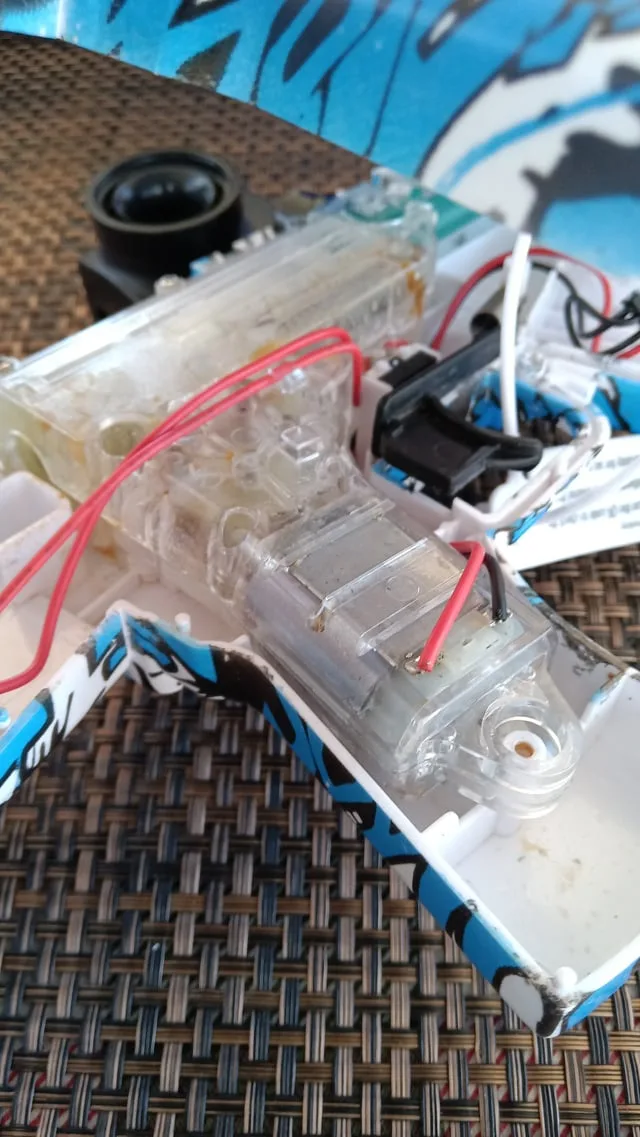
Image source: Web (Bing) / reddit.com (Web image (fair-use with source credit))
Immediate Risks to Hearing Health and Pet Wellbeing
Per NIOSH guidelines, sustained exposure to loud noises damages hair cells in the inner ear. While gel blasters rarely exceed 85dB, the frequency matters. High-pitched sounds penetrate deeper into the cochlea.
Children playing indoors face higher cumulative exposure risks than adults outdoors.
Pets suffer more acutely. Dogs and cats hear frequencies up to 45kHz and 64kHz respectively. A squeal invisible to humans might be painful for them.
Verified buyer feedback reports pets fleeing or showing stress signs during play sessions. Stopping the noise protects both your household’s peace and their welfare. Silence isn’t golden here.
It’s a safety requirement.
Identifying the Source: Gears, Seals, or Air Leaks?
Diagnosing the exact component saves time and money. Don’t guess. Listen closely to when the sound occurs.
Does it happen only during compression? Or does it persist while holding pressure?
Diagnosing Dry Friction vs. Mechanical Misalignment
Dry friction sounds like a consistent squeak. It rises in pitch with pumping speed. This points to worn O-rings or lack of lubricant.
Check the piston head first. If it feels rough moving through the cylinder, apply lubricant.
Mechanical misalignment creates grinding or clicking. This happens if gears strip or shift out of place. You’ll feel resistance in the trigger pull.
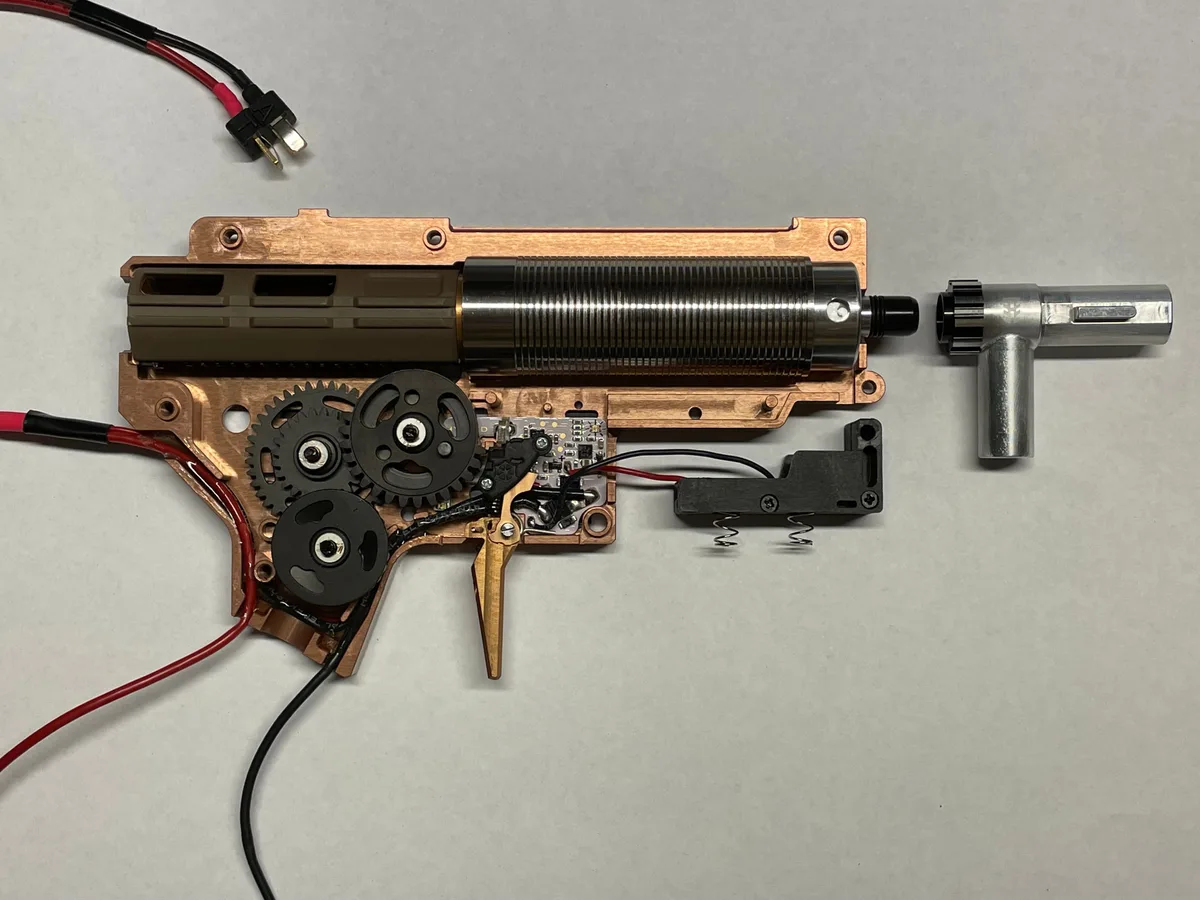
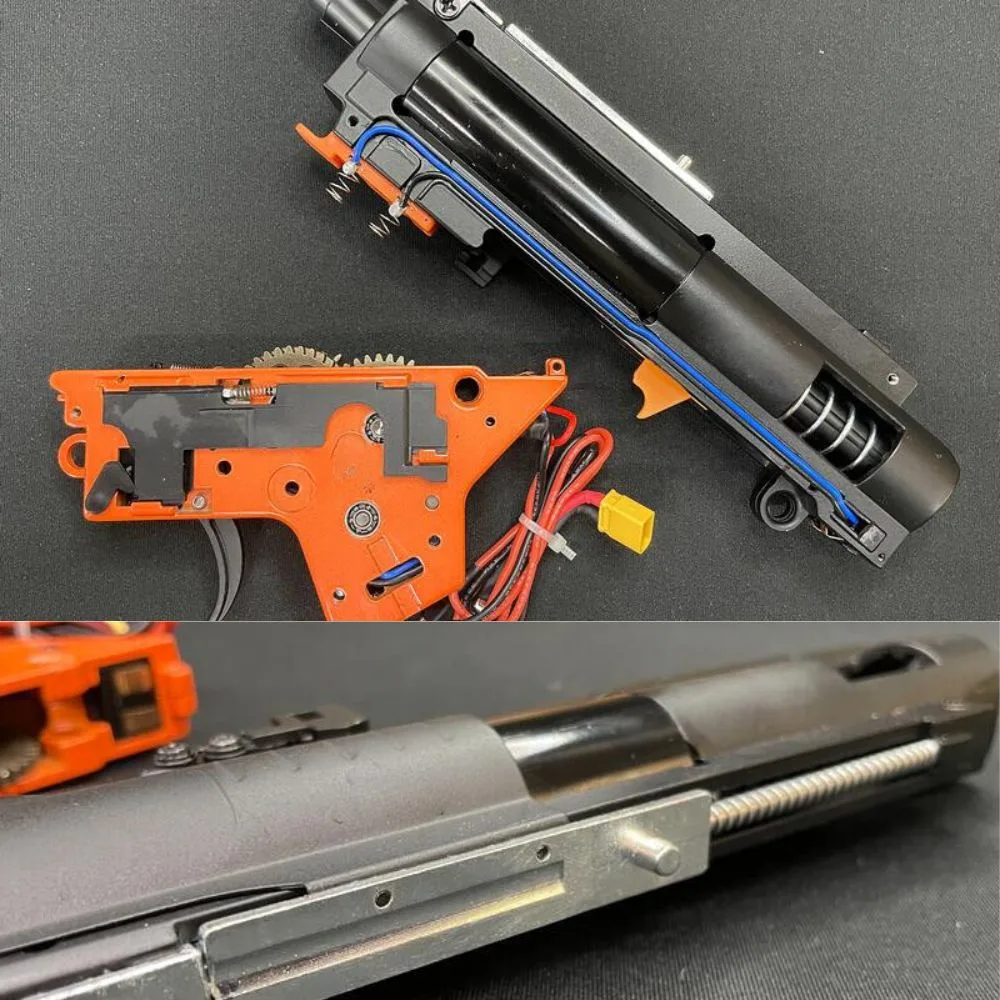
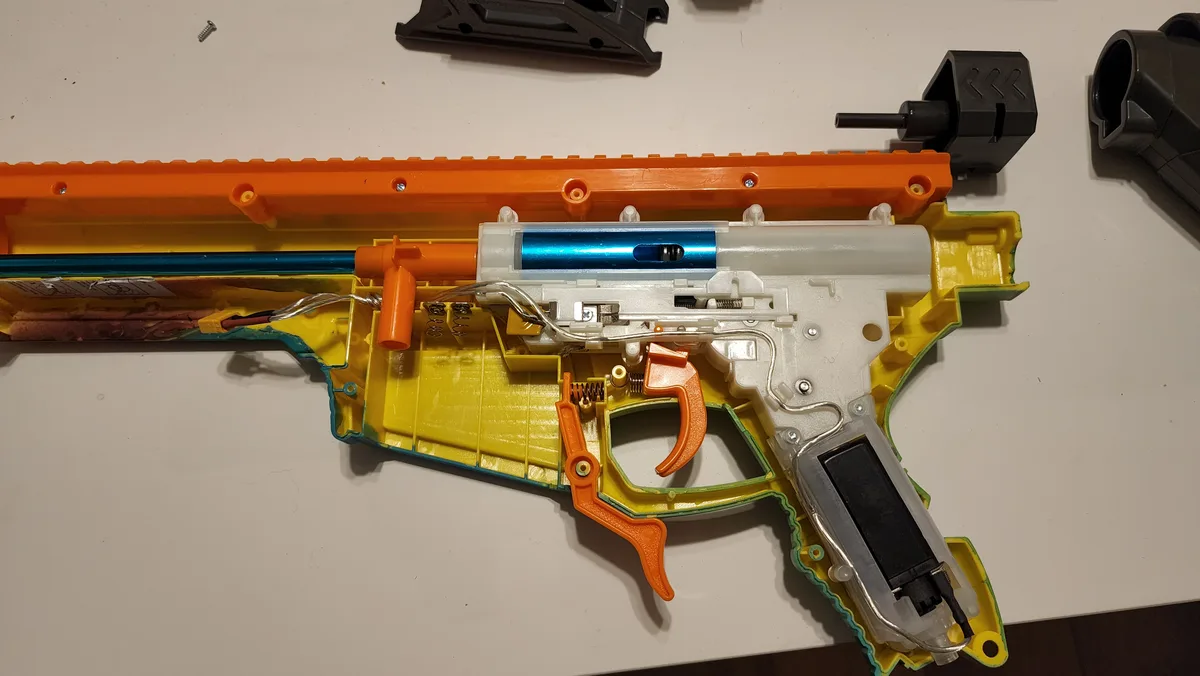
Inspect the internal gearbox if available. Look for chipped teeth or loose axles. Tighten screws gently.
Do not force parts back into alignment. Forcing them breaks brittle plastics common in these toys.
Spotting Worn O-Rings and Cracked Reservoirs
Cracks in the reservoir cause hissing. This differs from squealing. Hissing means air escapes continuously.
Fill the tank with water. Watch for drips near seams. Small cracks expand under pressure cycles.
Replace cracked tanks immediately. They pose leak hazards and reduce firing consistency.
Worn O-rings flatten over time. They lose their circular cross-section. This reduces sealing efficiency.
Visually inspect rings for nicks or deformation. Even microscopic tears create turbulent airflow. That turbulence generates the high-pitched whistle.
Swap old rings for new ones matched to the bore diameter. Precision matters here. Ill-fitting replacements worsen the noise.
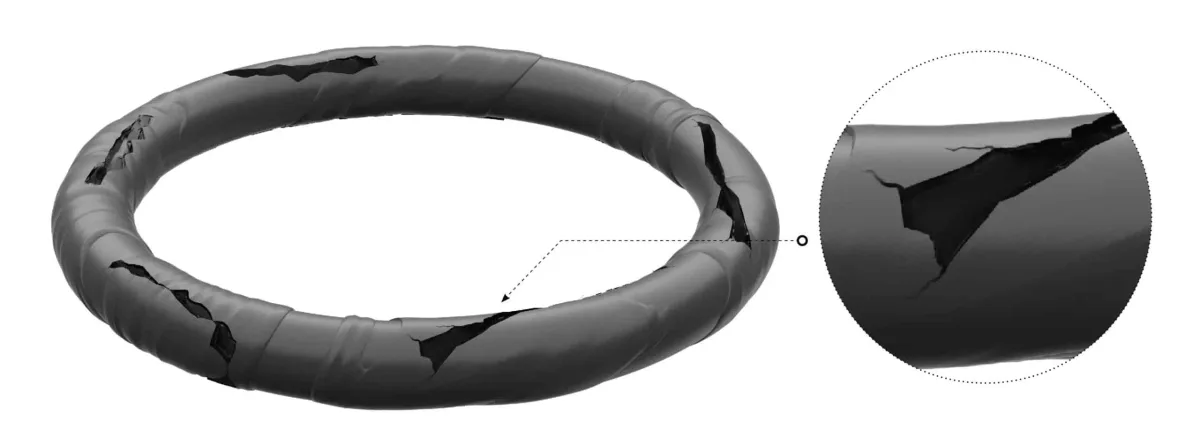
Image source: Bing (Web (fair-use with source credit))
Safe Lubrication Protocols for Plastic Internals
Choosing the right lubricant is critical. Wrong chemicals destroy plastic housings. Stick to materials compatible with ABS and polycarbonate.
Silicone-based greases are the industry standard for toy mechanics.
Choosing the Right Silicone-Based Grease (and What to Avoid)
Use pure silicone grease. It remains stable across temperature variations. It doesn’t attract dust like oil-based products.
Petroleum jelly (Vaseline) swells rubber seals. It also degrades certain plastics over months. Avoid WD-40.
It dries out rubber components quickly.
Look for "dielectric" or "waterproof" labels. These ensure longevity in wet environments. Since gel blasters handle water beads, moisture resistance is non-negotiable.
Thin layers work best. Excess grease attracts debris. Debris acts as abrasive paste.
That accelerates wear instead of preventing it. Less is always more in lubrication tasks.
| Lubricant Type | Compatibility with Plastics | Effect on Rubber Seals | Recommendation Status |
|---|---|---|---|
| Silicone Grease | Excellent | Preserves elasticity | Highly Recommended |
| Petroleum Jelly | Poor (causes swelling) | Degrades over time | Avoid Completely |
| Lithium Grease | Moderate | May harden rubber | Not Ideal for Toys |
| WD-40 | Variable | Dries out seals | Strictly Prohibited |
Step-by-Step Application Guide Without Disassembly Damage
Start by removing the magazine. Pump residual water out. Access the rear cap if possible.
Some models require screwdrivers. Others snap open. Force nothing.
Broken clips ruin resale value.
Apply a pea-sized amount of grease to your finger. Rub it evenly onto the O-ring surface. Rotate the ring to coat all sides.
Reassemble carefully. Test fire once outside. Listen for changes.
The squeal should vanish instantly. If not, repeat the process. Ensure no excess grease enters the barrel.
Blockages affect accuracy significantly. Clean any stray residue with a dry cloth. Never use solvents near electronic triggers.
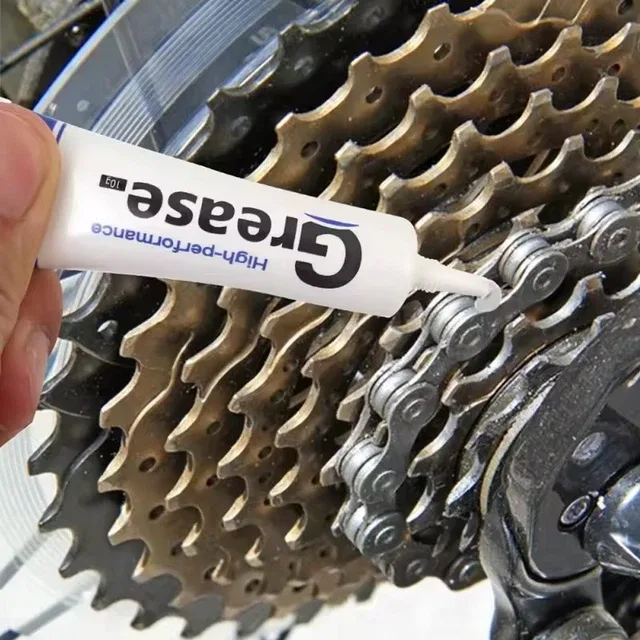
Image source: Bing (Web (fair-use with source credit))
When DIY Fixes Fail: Recognizing Structural Wear
Sometimes lubrication doesn’t solve the problem. Persistent noise indicates irreversible damage. Knowing when to stop repairing saves frustration.
Assess the cost-benefit ratio early.
Signs Your Pump Mechanism Needs Replacement Parts
Grinding noises despite fresh grease suggest stripped gears. Metal-on-metal contact creates permanent grooves. These grooves amplify vibration.
You cannot polish them out easily. Replace the entire gear set if available. Individual gear purchases are rare.
Most manufacturers sell kits. Check spare part availability online before buying repairs.
Cracked pistons cause irregular whistling. The crack allows air bypass. This fluctuates pressure inconsistently.
Visual inspection reveals fractures along the shaft. Use a flashlight. Shine it through translucent plastics.
Shadows highlight cracks clearly. Replace cracked pistons. New ones restore smooth motion.
Old ones jam unexpectedly during play. Jams hurt wrists and interrupt fun.
Warranty Implications of Aftermarket Modifications
Opening sealed units often voids warranties. Manufacturers restrict access to internals. Tampering stickers tear upon removal.
Document your condition beforehand. Take photos of serial numbers. Keep original packaging until testing completes.
If under warranty, contact support first. Describe the noise specifically. Mention frequency and timing.
Support teams may send replacement seals free. Self-repair risks losing coverage. Weigh the $20 part cost against full unit replacement eligibility.
Noise Mitigation Strategies for Shared Living Spaces
Even fixed guns make some sound. Managing volume helps maintain good neighbor relations. Consider acoustic dampening techniques suitable for apartments.
Quiet play is respectful play.
Acoustic Dampening Techniques for Apartment Dwellers
Wrap the reservoir in foam tape. This absorbs vibration resonance. Ensure vents remain unblocked.
Blocked vents increase internal pressure dangerously. Use thin, dense foam pads. Attach them externally only.
Internal modifications alter balance and weight distribution poorly.
Play during designated hours. Municipal codes often limit noise after 10 PM. Check local ordinances.
HOA rules vary strictly by region. Violations incur fines. Schedule outdoor sessions wisely.
Wind carries sound further. Choose calm days for louder activities. Indoors, carpet floors absorb impact echoes.
Hardwood reflects them sharply. Move play areas accordingly. Simple environmental adjustments reduce perceived loudness significantly.
Responsible Usage Guidelines to Prevent Neighbor Complaints
Set clear boundaries for children. Teach them to aim away from windows. Accidental shots break glass.
Broken glass invites legal liability. Establish a perimeter zone. No shooting toward fences or doors.
Communicate with neighbors proactively. Inform them of playtimes. Transparency builds goodwill.
Surprises breed resentment. Offer ear protection to nearby residents if necessary. Cheap foam plugs suffice.
Show consideration beyond mere compliance. Good citizenship extends toy lifespan socially.
Frequently Asked Questions About Splatter Ball Gun Noise
Why does my splatter ball gun squeak only when cold?
Cold temperatures thicken internal lubricants. This increases friction between moving parts initially. The noise often fades as the mechanism warms up from use.
If it persists, your grease may be too viscous for winter conditions. Switch to a lighter silicone spray designed for low temperatures. This ensures smoother operation right from the first pump stroke.
Can high-pitched noise damage my hearing permanently?
Yes, prolonged exposure to sharp frequencies can cause temporary threshold shifts. While gel blasters rarely reach dangerous decibel levels, the pitch matters. High-frequency sounds stress auditory hair cells differently than bass tones.
Limit indoor play sessions to under thirty minutes. Take regular breaks to let your ears recover. Always prioritize ventilation and distance from sensitive listeners.
Is petroleum jelly safe for lubricating gel blaster seals?
No. Petroleum-based products degrade rubber O-rings over time. They cause swelling and eventual cracking of the seal material.
This leads to worse leaks and louder noises later on. Stick exclusively to pure silicone-based greases or sprays. These remain chemically inert against standard toy plastics.
Using the wrong lubricant voids most manufacturer warranties immediately.
How do I stop the whistling sound during firing?
Whistling usually indicates an air leak at the nozzle or piston. Check for debris blocking the barrel entrance first. Clean it with a soft cloth if needed.
Inspect the piston head for cracks or wear spots. Replace damaged seals promptly to restore proper compression. A tight seal eliminates turbulent airflow that causes piercing tones.
Regular maintenance prevents this specific acoustic issue effectively.
Should I worry about neighbor complaints regarding noise?
Absolutely. High-pitched sounds carry further than expected in quiet neighborhoods. Many municipalities enforce strict noise ordinances after evening hours.
Assume thin walls transmit these frequencies efficiently. Schedule outdoor play during daylight hours only. Inform neighbors beforehand to manage expectations politely.
Proactive communication reduces conflict risks significantly compared to reactive apologies.
What if cleaning doesn't remove the grinding noise?
Grinding suggests metal-on-metal contact or stripped plastic gears. Lubrication won't fix broken mechanical components. You likely need professional repair or part replacement.
Contact the manufacturer’s support team for spare gear kits. Do not attempt to force misaligned parts back together. This causes irreversible damage to the housing structure.
Early diagnosis saves money on full unit replacements.
🔧 Recommended Technician Gear for This Repair:
- Pure Silicone Blaster Lubricant:Check Pure Silicone Blaster Lubricant on Amazon →
- Gearbox Teardown & Maintenance Tool Kit:Check Gearbox Teardown & Maintenance Tool Kit on Amazon →
*FTC Disclosure: As an Amazon Associate, SplatterBallGun earns from qualifying purchases.*

Similar Posts